Do humans shed? The short answer is yes—our bodies constantly replace both skin and hair as part of a natural renewal process. This article explains the science behind this everyday phenomenon, outlines what counts as normal shedding, and highlights factors that can push shedding beyond typical levels. By understanding the mechanisms of skin cell turnover and the hair growth cycle, you can better recognize when shedding is simply a healthy routine and when it may signal an underlying issue that warrants attention.
Every day, millions of skin cells slough off, and dozens of hairs fall out, yet most people never notice these subtle changes. In fact, the average person loses about 50 to 100 hairs daily—a figure that aligns with the natural telogen phase of the hair cycle. While shedding is a sign of healthy regeneration, certain lifestyle choices, hormonal shifts, or medical conditions can amplify the process, leading to noticeable thinning or bald patches.
In the sections that follow, we will explore the biology of skin shedding, dissect the hair growth cycle, discuss seasonal influences, identify common triggers for excessive loss, and provide practical strategies to maintain robust skin and hair health. Whether you are curious about the normal rates of shedding or seeking ways to reduce unwanted hair loss, this guide offers clear, evidence‑based information to help you stay informed and confident.
The Biology of Skin Shedding
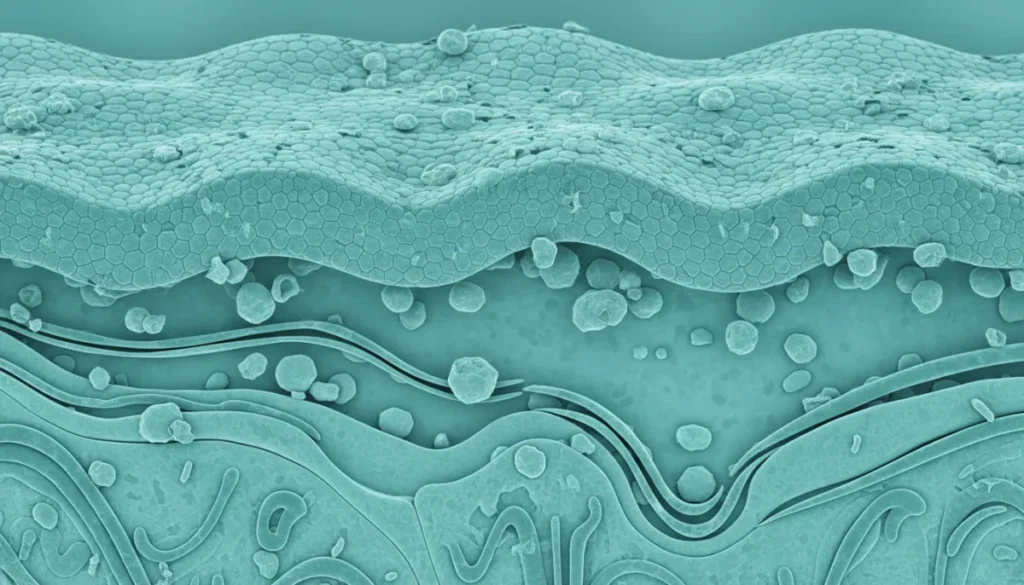
Skin shedding is a continuous process driven by the body’s need to replace old or damaged cells on the surface of the integumentary system. The outermost layer, the stratum corneum, consists of dead skin cells that are tightly packed and constantly sloughed away, making room for newer cells generated deeper in the epidermis.
Cellular Renewal Process
Stem cells located in the basal layer of the epidermis divide and migrate upward, undergoing keratinization as they move toward the surface. By the time they reach the stratum corneum, they have transformed into flattened, keratin‑rich cells that lose their nuclei and become the dead skin cells we regularly shed.
- Basal layer: Site of cell division and regeneration.
- Spinous layer: Cells begin to flatten and produce keratin.
- Granular layer: Cells lose organelles and accumulate lipids.
- Stratum corneum: Fully keratinized, dead cells ready for shedding.
The rate of skin cell turnover varies with age, climate, and overall health. On average, an adult sheds roughly 30,000 to 40,000 dead skin cells each minute, which translates to about 1.5 to 2.0 pounds of skin cells per year.
| Parameter | Average Daily Loss | Factors Influencing Rate |
|---|---|---|
| Dead skin cells | ~30,000 cells/min (≈43 g) | Age, humidity, skin care routine |
| Hair strands | 50‑100 hairs | Hormones, stress, nutrition |
Understanding this natural shedding helps differentiate normal skin renewal from conditions such as eczema or psoriasis, where excessive scaling may indicate a medical issue.
Hair Shedding: Normal Cycle and Seasonal Changes
Just as skin continuously renews, hair undergoes a cyclical growth pattern that includes phases of active growth, regression, and rest. The question “do humans shed hair seasonally?” often arises because many people notice subtle fluctuations in hair loss throughout the year.
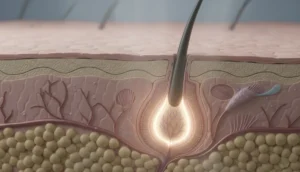
Anagen, Catagen, Telogen Phases
The hair follicle operates in three main stages:
- Anagen (growth phase): Lasts 2‑7 years, during which hair actively elongates.
- Catagen (transition phase): A brief 2‑3 week period where growth stops and the follicle shrinks.
- Telogen (rest phase): Lasts about 3 months; hair is fully formed but not attached, and eventually sheds.
At any given moment, roughly 85‑90% of scalp hairs are in the anagen phase, while 10‑15% occupy catagen or telogen. When a telogen hair is released, it is replaced by a new anagen hair, maintaining a balanced density.
Seasonal variations can modestly affect the telogen phase. Studies have observed a slight increase in hair shedding during late summer and early autumn, a phenomenon sometimes referred to as “summer shedding.” The exact mechanism is not fully understood, but it may relate to hormonal shifts, UV exposure, or changes in blood flow to the scalp.
- Typical daily loss: 50‑100 hairs.
- Peak shedding periods: Late summer to early fall.
- Factors that can accentuate seasonal shedding: Sun exposure, heat, stress, nutritional deficiencies.
Understanding the normal range of hair loss—how many hairs do you lose a day?—helps you gauge whether your shedding is within expected limits or if further evaluation is needed.
Factors Influencing Increased Shedding
While a baseline amount of hair loss is normal, many individuals wonder “why am I losing my hair?” or “why do I lose my hair so much?” Various internal and external factors can tip the balance toward excessive shedding.
Common Triggers
- Hormonal changes: Pregnancy, menopause, thyroid disorders, and androgenic alopecia can accelerate hair loss.
- Stress: Physical or emotional stress can push a larger proportion of hairs into the telogen phase, leading to telogen effluvium.
- Nutritional deficiencies: Lack of iron, zinc, biotin, or protein impairs keratin production.
- Medical conditions: Autoimmune diseases (e.g., alopecia areata), scalp infections, and chronic illnesses.
- Medications: Certain antidepressants, anticoagulants, and chemotherapy agents list hair loss as a side effect.
- Environmental factors: Harsh weather, UV radiation, and excessive heat styling can weaken hair shafts.
Understanding these triggers empowers you to address root causes. For instance, if you notice “hair falling out in clumps” after a stressful event, it may be a temporary telogen shift rather than permanent balding.
| Trigger | Typical Effect on Shedding | Suggested Mitigation |
|---|---|---|
| Hormonal imbalance | Increased telogen hairs | Consult endocrinologist, consider hormone‑balancing therapy |
| Stress | Telogen effluvium | Stress‑reduction techniques, adequate sleep |
| Nutrient deficiency | Weak hair shafts, higher breakage | Balanced diet, supplements after testing |
| Medication side‑effects | Diffuse shedding | Discuss alternatives with physician |
Addressing these factors early can prevent temporary shedding from becoming chronic hair loss.
When Shedding Becomes a Concern: Signs of Hair Loss
Distinguishing normal shedding from early signs of alopecia is crucial for timely intervention. While “how many strands of hair do you have?” varies by individual, certain patterns suggest that shedding may be progressing toward a problem.
Red Flags to Watch For
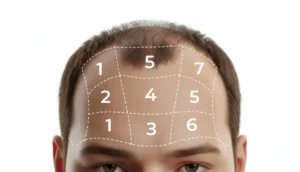
- Hairline recession: Noticeable thinning at the temples or frontal hairline.
- Patchy bald spots: Circular or irregular bald areas, often seen in alopecia areata.
- Clumped loss: Large amounts of hair coming out during washing or brushing.
- Excessive daily loss: More than 150 hairs per day on average.
- Thinning across the crown: Diffuse reduction in density rather than localized patches.
If you observe any of these symptoms, it is advisable to seek professional evaluation. Dermatologists can perform a scalp examination, trichoscopy, and blood tests to pinpoint the underlying cause.
| Indicator | Normal Range | Potential Concern |
|---|---|---|
| Daily hair loss | 50‑100 hairs | >150 hairs consistently |
| Hairline shape | Stable | Receding temples or widow’s peak |
| Shedding pattern | Evenly distributed | Clumps, especially after shower |
Early detection allows for interventions ranging from lifestyle adjustments to medical treatments, such as topical minoxidil, oral finasteride, or hair transplant procedures.
Supporting Healthy Skin and Hair: Practical Tips
Maintaining optimal skin and hair health reduces unnecessary shedding and promotes a vibrant appearance. Below are evidence‑based recommendations that address both the integumentary system and follicular health.
Daily Care Routine
- Gentle cleansing: Use sulfate‑free shampoos and mild facial cleansers to avoid stripping natural oils.
- Moisturize: Apply a non‑comedogenic moisturizer to support the skin barrier and reduce dryness that can exacerbate shedding.
- Scalp massage: Stimulates blood flow, delivering nutrients to hair follicles.
- Balanced diet: Include protein, omega‑3 fatty acids, iron, zinc, and vitamins A, C, D, and E.
- Stress management: Practice mindfulness, yoga, or regular exercise to mitigate telogen‑inducing stress.
- Sun protection: Wear hats or use SPF on exposed scalp to prevent UV‑induced damage.
These habits not only curb excessive shedding but also improve overall skin texture and hair strength. For those seeking more targeted solutions, professional treatments such as platelet‑rich plasma (PRP) therapy or hair transplantation can address persistent thinning.
Ready to take control of your hair health? Contact Gold City Hair today for a personalized consultation and discover the advanced FUE and DHI techniques that can restore your confidence.
Book your appointment now and start your journey toward fuller, healthier hair.
FAQ
Do humans shed skin and hair?
Yes, the body constantly replaces skin cells and hair as part of a natural renewal process.
Do humans shed hair seasonally?
Hair shedding can increase slightly in late summer and early autumn due to seasonal influences.
Why am I losing my hair?
Hair loss can be triggered by hormonal changes, stress, nutrition deficiencies, medical conditions, or certain medications.
How many hairs do you lose a day?
The normal range is about 50 to 100 hairs per day for most people.
What are the early signs that shedding is becoming a problem?
Red flags include a receding hairline, patchy bald spots, clumped loss, and daily loss exceeding 150 hairs.
How can I support healthy skin and hair to reduce shedding?
Adopt a gentle cleansing routine, maintain balanced nutrition, manage stress, and protect against environmental damage.