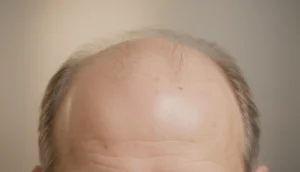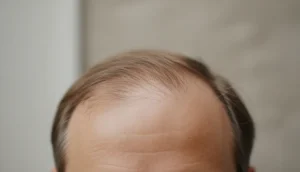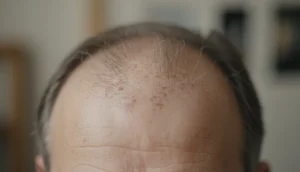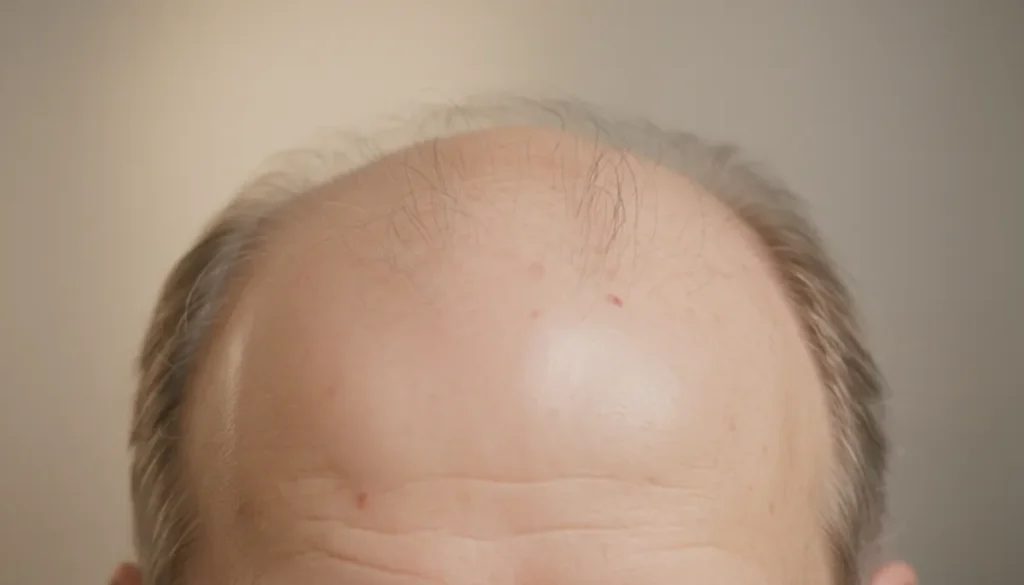
Many people notice that an itchy scalp and balding often appear together, creating discomfort and concern about hair loss. This article explains the underlying reasons, from skin conditions to hormonal factors, and outlines practical steps you can take to calm irritation and protect your hair.
According to dermatological studies, up to 30% of individuals experiencing chronic scalp itch also notice thinning hair within a year. Recognizing the link early can prevent further hair loss and improve overall scalp health.
We will explore common scalp disorders, differentiate between temporary irritation and progressive hair loss, and discuss how modern hair restoration techniques, such as those offered by Gold City Hair, can restore confidence for those facing itchy scalp and balding challenges.
Whether you are dealing with dandruff, seborrheic dermatitis, or early signs of androgenetic alopecia, understanding the root cause is the first step toward effective treatment.
Common Scalp Conditions That Trigger Itch and Hair Loss
Several dermatological issues can cause both itching and thinning hair. Identifying the specific condition is essential for targeted treatment.
- Seborrheic dermatitis – an inflammatory skin disorder that produces flaky, oily patches and can weaken hair follicles.
- Dandruff – often a milder form of seborrhea that leads to scalp dryness and irritation.
- Folliculitis – bacterial infection of hair follicles that may cause pustules and localized hair loss.
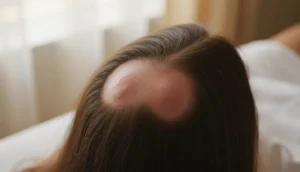
- Alopecia areata – an autoimmune condition that results in sudden patchy hair loss, sometimes accompanied by itch.
- Scalp eczema – chronic inflammation that can exacerbate itching and disrupt the hair growth cycle.
These conditions share common symptoms such as redness, scaling, and an uncomfortable urge to scratch. Persistent scratching can damage the skin barrier, leading to secondary infections and further hair thinning.
Below is a quick comparison of the most frequent scalp issues linked to itch and balding:
| Condition | Typical Symptoms | Impact on Hair |
|---|---|---|
| Seborrheic Dermatitis | Yellowish scales, oily sheen | Follicle inflammation → gradual thinning |
| Dandruff | White flakes, mild itch | Usually no direct hair loss, but scratching may cause breakage |
| Folliculitis | Painful pustules, redness | Localized hair loss where follicles are damaged |
| Alopecia Areata | Round bald patches, sometimes itchy | Sudden hair shedding in patches |
| Scalp Eczema | Dry patches, intense itch | Chronic scratching can lead to diffuse thinning |
How Hormonal Changes Contribute to Itchy Scalp and Balding
Hormones play a pivotal role in regulating the hair growth cycle. Imbalances can lead to both scalp irritation and hair loss, especially in men and women over 30.
Androgenetic Alopecia
Also known as male or female pattern baldness, androgenetic alopecia is driven by dihydrotestosterone (DHT). Elevated DHT levels can shrink hair follicles, making them more vulnerable to irritation from external factors.
Thyroid Disorders
Both hypothyroidism and hyperthyroidism can cause dry, itchy scalp and diffuse thinning. Treating the underlying thyroid issue often improves scalp comfort and hair density.
- Check hormone levels with a qualified physician.
- Consider topical DHT blockers or oral medications if recommended.
- Maintain a balanced diet rich in zinc, biotin, and omega‑3 fatty acids.
When hormonal factors are involved, addressing the scalp itch alone may not be sufficient. A comprehensive approach that includes hormone regulation, scalp care, and possibly hair restoration yields the best results.
Effective Scalp Treatments to Relieve Itch and Prevent Hair Loss
Targeted scalp treatments can calm irritation, restore the skin barrier, and create a healthier environment for hair growth.
Medicated Shampoos and Topicals
Products containing ketoconazole, zinc pyrithione, or salicylic acid are proven to reduce seborrheic dermatitis and dandruff, which are common triggers of itch.
Natural Remedies
Tea tree oil, aloe vera gel, and coconut oil can provide soothing relief, but should be used after a patch test to avoid allergic reactions.
- Apply medicated shampoo 2–3 times weekly, leaving it on the scalp for 5 minutes before rinsing.
- Use a lightweight leave‑in conditioner with aloe vera after washing.
- Massage scalp gently with coconut oil for 10 minutes before bedtime.
Consistent scalp care reduces inflammation, which in turn minimizes follicle damage and slows the progression of balding associated with chronic itch.
When to Consider Hair Restoration Options
If scalp treatments and hormonal management do not halt the progression of hair loss, it may be time to explore permanent solutions. Modern hair transplantation techniques can address both the aesthetic and psychological impacts of itchy scalp and balding.
FUE (Follicular Unit Extraction)
FUE removes individual follicles from a donor area and implants them into thinning zones, preserving natural hair direction and density.
DHI (Direct Hair Implantation)
DHI uses a specialized pen to place follicles directly, reducing handling time and improving graft survival.
- Both methods are minimally invasive with short recovery periods.
- Ideal for patients with stable scalp condition after treating underlying itch.
- Results typically become visible within 6‑12 months.
Choosing a reputable clinic ensures that the procedure is performed by experienced surgeons who understand the interplay between scalp health and graft success.
Why Choose Gold City Hair
Gold City Hair has been delivering personalized hair restoration solutions in Turkey since 2017. Our clinic combines the latest FUE and DHI technologies with a compassionate, transparent approach, ensuring each patient receives a treatment plan tailored to their unique scalp condition and aesthetic goals.
Our experienced medical team conducts thorough assessments to identify the root cause of itch and balding, offering comprehensive scalp care before, during, and after transplantation. With a focus on natural‑looking results and patient confidence, Gold City Hair stands out as a trusted partner for lasting hair restoration.
Ready to regain a comfortable, healthy scalp and fuller hair? Contact Gold City Hair today to schedule your personalized consultation and take the first step toward lasting confidence.
FAQ
What causes an itchy scalp and balding?
Itchy scalp and balding can result from skin conditions like seborrheic dermatitis, dandruff, folliculitis, eczema, as well as hormonal imbalances such as elevated DHT or thyroid disorders.
How can seborrheic dermatitis lead to hair loss?
Seborrheic dermatitis inflames hair follicles and produces oily, flaky scales that can block follicles, weakening them and causing gradual thinning.
What treatments relieve scalp itch and prevent hair loss?
Medicated shampoos with ketoconazole or zinc pyrithione, topical anti‑inflammatories, and natural remedies like tea tree oil or aloe vera can soothe itch and protect hair follicles.
When should I consider hair transplantation for itchy scalp and balding?
If scalp treatments and hormonal management fail to stop hair loss after several months, and the scalp condition is stable, a hair transplant may be appropriate.
How do hormonal changes affect scalp itch and hair loss?
Hormonal imbalances such as elevated DHT or thyroid disorders can shrink follicles and dry the scalp, leading to itch and accelerated hair thinning.
What are the differences between FUE and DHI hair transplant methods?
FUE extracts individual follicles and implants them manually, while DHI uses a specialized pen to place follicles directly, reducing handling time and potentially improving graft survival.