Many patients wonder can medication cause alopecia and seek clear answers before starting a new prescription. Hair loss can be an unsettling side effect, especially when it affects confidence and daily life. In this article we examine the link between drugs and alopecia, identify the most common culprits, and outline steps you can take to protect your hair while maintaining optimal health.
Recent studies suggest that up to 10 % of individuals experiencing sudden hair thinning may have a medication‑related cause. This statistic highlights the importance of recognizing drug‑induced hair loss early, before it becomes permanent. Throughout the following sections we will explore the mechanisms behind medication‑triggered alopecia, list the drugs most often implicated, and provide practical guidance for patients and clinicians.
Whether you are dealing with hair loss from antidepressants, blood pressure meds, or chemotherapy agents, understanding the relationship between your treatment and your scalp can empower you to make informed decisions and seek appropriate care.
Common Medications Linked to Hair Loss
Several prescription and over‑the‑counter drugs have been documented to cause hair shedding. While not everyone will experience this side effect, certain medication classes carry a higher risk.
- Antidepressants: Selective serotonin reuptake inhibitors (SSRIs) such as Lexapro and Prozac have been reported to cause thinning, especially in women.
- Blood pressure agents: Beta‑blockers (e.g., Metoprolol, Lisinopril) and calcium channel blockers (e.g., Amlodipine, Losartan) may trigger telogen effluvium.
- Stimulants: Medications like Adderall have occasional reports of hair loss.
- Anticonvulsants: Gabapentin and other seizure drugs can affect the hair growth cycle.
- Hormonal therapies: Levothyroxine for thyroid disorders and certain oral contraceptives may lead to diffuse shedding.
- Statins: Atorvastatin and Rosuvastatin have been associated with hair thinning in some patients.
- Immunosuppressants: Methotrexate and prednisone are well‑known for causing alopecia during treatment.
- Supplemental compounds: SAM‑e and high‑dose vitamin A can also provoke hair loss.
These examples illustrate the breadth of drugs for hair fall that clinicians must consider when evaluating a patient’s hair loss history.

How Drugs Trigger Different Types of Alopecia
Understanding the biological pathways helps explain why can medication cause alopecia is a valid concern. Medications can interfere with hair follicles in several ways, leading to distinct patterns of loss.
Telogen Effluvium
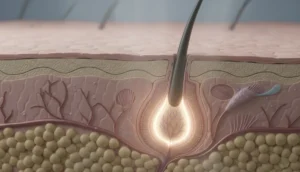
Many drugs push hair follicles prematurely into the telogen (resting) phase, resulting in diffuse shedding two to three months after exposure. This type is often reversible once the offending agent is discontinued.
Anagen (Matrix) Toxicity
Chemotherapy and certain antimetabolites damage rapidly dividing matrix cells, causing rapid, extensive hair loss during the anagen (growth) phase. Recovery depends on the drug’s dosing schedule.
Androgenic Effects
Some medications alter hormonal balance, increasing dihydrotestosterone (DHT) activity and accelerating pattern hair loss. Examples include certain anabolic steroids and anti‑androgen therapies.
| Hair Loss Type | Typical Onset | Common Drug Triggers | Reversibility |
|---|---|---|---|
| Telogen Effluvium | 2–3 months | Beta‑blockers, SSRIs, antihypertensives | Usually reversible |
| Anagen Toxicity | During treatment | Methotrexate, prednisone, chemotherapy | Variable, often regrows |
| Androgenic Alopecia | Gradual | Finasteride misuse, anabolic steroids | Often permanent without intervention |
Clinicians use this framework to differentiate drug‑induced alopecia from other scalp conditions, ensuring appropriate management.
Identifying Drug‑Induced Hair Loss: Signs and Diagnosis
Early recognition of medication‑related alopecia can prevent unnecessary distress. Patients should monitor the pattern, timing, and accompanying symptoms when starting a new drug.
- Pattern: Diffuse thinning suggests telogen effluvium; patchy loss may indicate an allergic reaction or localized toxicity.
- Timing: Correlate the onset of shedding with the start date of the medication.
- Associated symptoms: Itching, redness, or scaling may point to a drug‑induced dermatitis rather than pure alopecia.
Diagnostic steps typically include:
- Comprehensive medication review, including over‑the‑counter supplements.
- Blood tests to rule out nutritional deficiencies or thyroid disorders.
- Scalp examination with dermoscopy to assess follicular health.
- Biopsy in ambiguous cases to differentiate between alopecia areata and drug‑induced patterns.
When patients ask, “can medication cause alopecia?” the answer often lies in a detailed history and targeted investigations. Collaboration between dermatologists and prescribing physicians is essential for safe medication adjustments.
Managing and Preventing Medication‑Related Hair Loss
If you discover that a prescribed drug is contributing to hair loss, several strategies can mitigate the impact without compromising your primary treatment.
- Medication substitution: Work with your physician to switch to an alternative with a lower risk of alopecia. For example, replacing Wellbutrin (bupropion) with another antidepressant if hair thinning occurs.
- Dosage adjustment: Reducing the dose may lessen the hair‑loss side effect while maintaining therapeutic benefit.
- Adjunctive therapies: Topical minoxidil, oral biotin, or low‑level laser therapy can support follicle health during the transition.
- Nutritional support: Ensuring adequate protein, iron, and zinc intake helps counteract telogen effluvium.
- Monitoring: Schedule regular follow‑ups to assess hair regrowth after medication changes.
Patients often ask about specific agents such as “does wellbutrin cause hair loss?” or “can lexapro cause hair loss?” While isolated reports exist, the overall incidence is low. Nevertheless, awareness enables proactive discussion with healthcare providers.
When to Seek Professional Hair Restoration
In cases where medication adjustment does not restore hair density, or when the underlying condition requires continued use of the offending drug, surgical options may be considered.
Procedures such as Follicular Unit Extraction (FUE) and Direct Hair Implantation (DHI) offer permanent solutions by transplanting healthy follicles from donor areas to balding zones. These techniques are especially valuable for patients who have experienced irreversible follicular damage from long‑term drug exposure.
Choosing a reputable clinic is crucial. Gold City Hair, established in 2017, provides personalized consultations, state‑of‑the‑art facilities, and transparent communication throughout the transplant journey. Our team evaluates each patient’s medical history, including any medication‑related alopecia, to design a safe and effective restoration plan.
Why Choose Gold City Hair
At Gold City Hair we combine cutting‑edge FUE and DHI technologies with a compassionate, patient‑first approach. Our experienced surgeons understand the complexities of drug‑induced hair loss and tailor each treatment to the individual’s medical background. Since 2017, we have helped countless clients regain confidence through natural‑looking results, clear timelines, and ongoing support.
Ready to take control of your hair health? Contact Gold City Hair today for a personalized evaluation and discover how our expertise can restore your confidence.
Book your free consultation now and start your journey toward fuller, healthier hair.
FAQ
Can medication cause alopecia?
Yes, certain prescription and over‑the‑counter drugs can trigger hair loss as a side effect.
Which common drugs are known to cause hair loss?
Antidepressants, beta‑blockers, calcium channel blockers, anticonvulsants, hormonal therapies, statins, immunosuppressants, and high‑dose vitamins are frequently linked to hair loss.
How does telogen effluvium differ from anagen toxicity?
Telogen effluvium is a diffuse shedding due to premature entry into the resting phase, while anagen toxicity destroys actively growing follicles, causing rapid, extensive loss.
What steps can I take to identify if my hair loss is drug‑induced?
Review medication history, note timing and pattern of loss, and undergo clinical evaluation with blood tests and scalp examination.
Are there treatments to prevent or reverse medication‑related hair loss?
Yes, options include medication substitution, dose adjustment, topical minoxidil, nutritional support, and low‑level laser therapy.
When should I consider hair restoration surgery for drug‑induced alopecia?
Consider surgery if hair loss persists despite medication changes and supportive treatments, especially when the underlying condition requires continued drug use.