If you’re wondering how can i prevent hair loss, you’re not alone. Millions of men and women notice thinning strands or a receding hairline and seek practical solutions before the problem worsens. Understanding the underlying reasons and taking proactive steps can make a significant difference in preserving your natural hair density.
Hair loss affects up to 40 % of people by age 35 and nearly 70 % by age 50, according to global dermatology studies. This prevalence shows why early intervention matters. In this article we’ll explore the science behind hair shedding, lifestyle habits that support follicle health, essential nutrients, medical and topical treatments, and when professional restoration might be the right choice.
By the end, you’ll have a clear roadmap of evidence‑based actions you can start today to protect your hair and boost confidence.
Understanding the Causes of Hair Loss
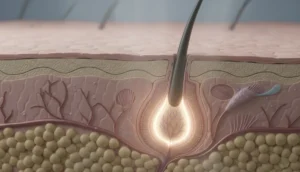
Before you can answer how can i prevent hair loss, it’s crucial to identify what’s driving the shedding. Hair follicles go through a growth cycle—anagen (growth), catagen (transition), and telogen (rest). Disruptions at any stage can lead to visible thinning.
Common causes include:
- Genetic predisposition (androgenetic alopecia)
- Hormonal imbalances, such as excess dihydrotestosterone (DHT)
- Chronic stress and cortisol spikes
- Nutrient deficiencies (iron, zinc, biotin)
- Medical conditions like thyroid disorders, alopecia areata, and autoimmune diseases
- Medications (e.g., anticoagulants, retinoids, certain antidepressants)
- Harsh hair styling practices and chemical treatments
Below is a quick reference table that matches each cause with typical signs and recommended first‑step actions.
| Cause | Typical Signs | First‑Step Action |
|---|---|---|
| Genetics (male/female pattern) | Gradual thinning at crown or temples | Consult a dermatologist for early medical options |
| Hormonal imbalance | Sudden shedding, often with other symptoms | Check thyroid and hormone levels |
| Stress | Diffuse shedding after a stressful event | Implement stress‑reduction techniques |
| Nutrient deficiency | Fine, brittle hair; slow growth | Optimize diet and consider supplements |
| Medication side‑effects | Hair loss coinciding with new prescription | Discuss alternatives with your physician |
Understanding your specific triggers enables targeted prevention, making the answer to how can i prevent hair loss far more actionable.
Lifestyle Adjustments That Support Hair Health
Even if genetics play a role, daily habits can either exacerbate or mitigate hair loss. When you ask how can i prevent hair loss, the answer often starts with simple lifestyle tweaks.
Sleep and Stress Management
Quality sleep (7‑9 hours) regulates cortisol and promotes the anagen phase. Techniques such as mindfulness meditation, deep‑breathing exercises, or yoga can lower stress‑induced hormone spikes that push follicles into the telogen phase.
Scalp Care Routine
Gentle cleansing removes excess sebum and pollutants that can clog hair follicles. Use a sulfate‑free shampoo and avoid vigorous towel‑drying. Periodic scalp massage with fingertips stimulates blood flow, delivering oxygen and nutrients to the follicle base.
Exercise and Cardiovascular Health
Regular aerobic activity improves circulation throughout the body, including the scalp. Studies link moderate‑intensity exercise (30 minutes, 3‑5 times per week) with reduced DHT levels and slower progression of androgenetic alopecia.
Here’s a concise checklist of daily habits that protect hair:
- Sleep 7‑9 hours; maintain a consistent bedtime.
- Practice stress‑relief techniques for at least 10 minutes daily.
- Use a gentle, sulfate‑free shampoo and condition only the ends.
- Massage the scalp for 2‑3 minutes each night.
- Engage in moderate cardio (walking, cycling, swimming) 3‑5 times weekly.
- Avoid tight hairstyles, excessive heat, and harsh chemicals.
Adopting these habits creates a supportive environment for hair follicles, directly answering the question of how can i prevent hair loss through lifestyle.
Nutritional Support and Supplements for Stronger Hair
What you eat directly influences the building blocks of keratin, the protein that makes up each hair strand. If you’re still wondering how can i prevent hair loss, consider fortifying your diet with key nutrients.
Essential Vitamins and Minerals
• Vitamin D – Supports hair follicle cycling; deficiency is linked to telogen effluvium.
• Iron – Low ferritin levels impair oxygen delivery to follicles.
• Zinc – Crucial for DNA and protein synthesis in hair cells.
• Biotin (Vitamin B7) – Often marketed for hair strength; deficiency is rare but can cause brittle hair.
• Omega‑3 fatty acids – Anti‑inflammatory properties improve scalp health.
Effective Supplement Options
While a balanced diet is ideal, targeted supplements can fill gaps. Below is a comparison of popular hair‑growth supplements.
| Supplement | Key Ingredients | Typical Dosage | Evidence Level |
|---|---|---|---|
| Biotin Complex | Biotin 5 mg, Vitamin C | 1 tablet daily | Low‑to‑moderate (deficiency‑related loss) |
| Iron + Vitamin C | Iron 18 mg, Vitamin C 500 mg | 1 capsule daily with food | Moderate (iron‑deficiency alopecia) |
| Omega‑3 Fish Oil | Eicosapentaenoic acid (EPA) 500 mg, DHA 250 mg | 2 softgels daily | Low (anti‑inflammatory benefit) |
| Hair‑Growth Multivitamin | Vitamin D, Zinc, Selenium, Saw Palmetto | 1 tablet daily | Low‑to‑moderate (combined effect) |
Before adding any supplement, consult a healthcare professional to rule out interactions or underlying conditions. Proper nutrition, combined with the lifestyle tips above, creates a solid foundation for answering how can i prevent hair loss naturally.
Medical and Topical Treatments to Slow Hair Loss
When lifestyle and nutrition aren’t enough, medical interventions become a viable answer to how can i prevent hair loss. Two FDA‑approved medications dominate the market: minoxidil and finasteride. Both have robust clinical data supporting their efficacy.
Topical Minoxidil
Available over the counter in 2 % (women) and 5 % (men) solutions, minoxidil widens blood vessels, enhancing follicular blood flow. Consistent twice‑daily application can extend the anagen phase, leading to modest regrowth after 3‑6 months.
Oral Finasteride
Finasteride 1 mg daily inhibits the conversion of testosterone to DHT, the hormone most responsible for androgenetic alopecia. Clinical trials show a 90 % reduction in hair loss progression and visible regrowth in many users after 12 months.
Adjunct Therapies
• Low‑Level Laser Therapy (LLLT) – Uses red light to stimulate cellular activity in follicles.
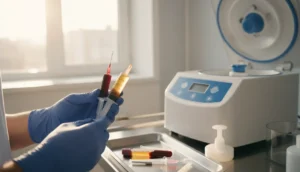
• Platelet‑Rich Plasma (PRP) – Injects concentrated growth factors to rejuvenate dormant follicles.
• Anti‑androgenic shampoos – Contain ketoconazole or saw palmetto to reduce scalp DHT.
Below is a quick guide to help you choose the right treatment based on severity and gender.
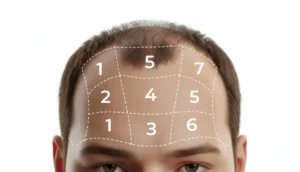
- Early thinning (stage 1‑2): Start with minoxidil; add LLLT for extra stimulation.
- Moderate male pattern (stage 3‑4): Combine minoxidil with finasteride; consider PRP for accelerated results.
- Female pattern alopecia: Minoxidil 2 % is first‑line; evaluate hormonal therapy if underlying imbalance exists.
- Advanced balding (stage 5‑7): Discuss surgical options such as FUE or DHI with a qualified clinic.
These evidence‑based options empower you to answer how can i prevent hair loss with a plan tailored to your specific situation.
When to Consider Professional Hair Restoration Options
If you’ve tried lifestyle, nutritional, and medical strategies and still notice progressive thinning, it may be time to explore surgical solutions. This directly addresses the lingering question of how can i prevent hair loss by replacing lost follicles with healthy grafts.
FUE (Follicular Unit Extraction)
FUE removes individual follicular units from a donor area (usually the back of the head) and implants them into balding zones. The technique leaves minimal scarring and offers a natural‑looking result.
DHI (Direct Hair Implantation)
DHI uses a specialized pen to place grafts at precise angles and depths, reducing handling time and improving graft survival. It’s especially popular for patients seeking quicker recovery.
Eyebrow and Beard Transplants
Beyond scalp restoration, Gold City Hair also offers eyebrow and beard transplants, providing comprehensive aesthetic solutions for patients with facial hair loss.
Key indicators for surgery include:
- Stable donor hair density
- Failure of non‑surgical treatments after 12‑18 months
- Desire for a permanent, low‑maintenance solution
- Good overall health and realistic expectations
During a personalized consultation, a specialist will assess your scalp, discuss realistic outcomes, and design a plan that aligns with your aesthetic goals.
Why Choose Gold City Hair
Gold City Hair has been delivering personalized hair restoration solutions in Turkey since 2017. Our clinic combines the latest FUE and DHI technologies with a transparent, patient‑centered approach. Every treatment plan is tailored to your unique hair loss pattern, ensuring natural results and lasting confidence.
Our experienced team prioritizes safety, comfort, and clear communication, guiding you from the initial consultation through post‑procedure care. Trust Gold City Hair to be your partner on the journey to healthier hair.
Ready to take control of your hair health? Contact Gold City Hair today to schedule a confidential consultation and discover the most effective strategy for you.
FAQ
What are the common causes of hair loss?
Hair loss can be caused by genetics, hormonal imbalances, stress, nutrient deficiencies, medical conditions, medications, and harsh styling practices.
How can lifestyle changes help prevent hair loss?
Improving sleep, managing stress, gentle scalp care, and regular exercise support follicle health and reduce hair shedding.
Which nutrients are essential for healthy hair?
Vitamin D, iron, zinc, biotin, and omega‑3 fatty acids are key for hair growth and strength.
What are the most effective medical treatments for hair loss?
Topical minoxidil and oral finasteride are FDA‑approved and have the strongest evidence for slowing loss and promoting regrowth.
When should I consider a hair transplant?
If lifestyle, nutritional, and medical options fail to halt progression and you have stable donor hair, surgical restoration may be appropriate.
Can supplements stop hair loss?
Supplements can help if a deficiency is causing loss, but they are not a cure for genetic baldness.