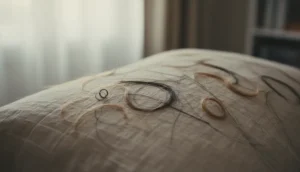
Many people ask themselves, why am i losing a lot of hair, especially when the shedding seems sudden or excessive. Understanding the underlying reasons is the first step toward regaining confidence and stopping further loss. In this article we explore the most common medical, lifestyle, and environmental factors that trigger rapid hair loss, how professionals diagnose the problem, and which treatments—ranging from proven medications to advanced hair transplant techniques—can restore a fuller appearance.
Hair loss affects up to 40 % of men and women at some point in their lives, and the psychological impact can be significant. Whether the cause is androgenetic alopecia, an autoimmune condition like alopecia areata, or a temporary telogen effluvium, each scenario requires a tailored approach.
By the end of this guide you will be able to identify warning signs, know what tests to expect, and understand the options available at a reputable clinic such as Gold City Hair.
Common Medical Causes of Rapid Hair Loss
When you wonder why am i losing a lot of hair, medical conditions are often at the root. Below are the most frequently diagnosed disorders:
Androgenetic Alopecia (Male and Female Pattern Baldness)
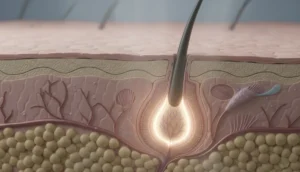
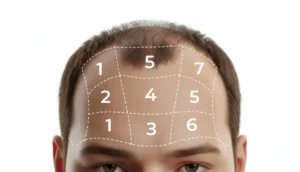
This hereditary condition, also known as androgenic alopecia, accounts for the majority of permanent hair loss. It typically starts with a receding hairline in men and diffuse thinning on the crown in women. The hormone dihydrotestosterone (DHT) shrinks hair follicles, shortening the growth phase.
Alopecia Areata
A sudden, patchy loss of hair caused by an autoimmune attack on hair follicles. While some individuals experience small round patches, others develop alopecia totalis (complete scalp loss) or alopecia universalis (total body hair loss).
Telogen Effluvium
Often triggered by stress, illness, surgery, or drastic weight loss, this condition pushes a large number of hairs into the telogen (resting) phase, leading to noticeable shedding within weeks.
Other Hormonal and Nutritional Factors
Thyroid disorders, iron deficiency, and severe vitamin shortages can all cause excessive shedding. In women, polycystic ovary syndrome (PCOS) frequently leads to a pattern similar to male baldness.
| Condition | Typical Pattern | Key Diagnostic Test |
|---|---|---|
| Androgenetic Alopecia | Receding hairline, crown thinning | Clinical exam, family history |
| Alopecia Areata | Patches, sudden loss | Scalp biopsy, blood work |
| Telogen Effluvium | Diffuse shedding | Hair pull test, recent stressors |
| Thyroid/Nutrient Deficiency | General thinning | Blood panel (TSH, ferritin) |

Lifestyle and Environmental Factors That Accelerate Shedding
Even when medical conditions are ruled out, everyday habits can explain why you see more strands on your pillow. Here are the top lifestyle contributors:
- Stress and Poor Sleep – Chronic cortisol elevation pushes follicles into the telogen phase.
- Improper Hair Care – Tight hairstyles, excessive heat, and harsh chemicals cause traction alopecia and breakage.
- Dietary Imbalance – Low protein intake and insufficient omega‑3 fatty acids weaken hair structure.
- Smoking and Alcohol – Both reduce blood flow to the scalp, limiting nutrient delivery.
Addressing these factors often yields noticeable improvement within a few months, especially when combined with targeted treatments.
For example, incorporating a balanced diet rich in biotin, zinc, and vitamin D can support follicle health, while regular scalp massage stimulates circulation.
How to Diagnose the Underlying Issue
Accurate diagnosis is essential to answer the question, “why am i losing a lot of hair?” A qualified dermatologist or hair restoration specialist will typically follow a systematic approach.
Clinical Examination
The doctor assesses the pattern of loss, scalp condition, and any visible signs of inflammation. A pull test may be performed to determine the proportion of hairs in the telogen phase.
Laboratory Tests
Blood work can reveal hormonal imbalances, iron deficiency, thyroid dysfunction, or autoimmune markers. Common tests include:
- Complete blood count (CBC)
- Ferritin and serum iron
- Thyroid‑stimulating hormone (TSH)
- Androgen levels (testosterone, DHT)
Scalp Biopsy and Trichoscopy
In ambiguous cases, a small scalp sample examined under a microscope helps differentiate between scarring and non‑scarring alopecia. Trichoscopy, a dermatoscopic technique, visualizes follicular openings and miniaturization.
After gathering this data, the specialist can recommend a personalized treatment plan that addresses the specific cause of your shedding.
Effective Treatment Options: From Medications to Hair Transplant
Once the cause is identified, several proven interventions can halt or reverse the process. Below is a concise overview of the most common options.
Topical and Oral Medications
- Minoxidil – Over‑the‑counter solution that prolongs the anagen phase, suitable for both men and women.
- Finasteride – Prescription pill that reduces DHT production; effective for androgenetic alopecia in men.
- Anti‑inflammatory agents – Corticosteroid injections for alopecia areata patches.
Low‑Level Laser Therapy (LLLT)
Device‑based treatment that stimulates cellular activity in follicles, often used as an adjunct to medication.
Hair Transplant Techniques
When medical therapy cannot restore density, surgical restoration becomes an option. Gold City Hair specializes in:
- Follicular Unit Extraction (FUE) – Individual follicles are harvested and implanted with minimal scarring.
- Direct Hair Implantation (DHI) – Follicles are loaded into a pen and placed directly, offering higher precision.
- Eyebrow and Beard Transplants – Tailored for facial hair restoration.
| Treatment | Typical Candidates | Recovery Time | Result Onset |
|---|---|---|---|
| Minoxidil | Early‑stage thinning | None | 3‑6 months |
| Finasteride | Male pattern baldness | None | 4‑12 months |
| LLLT | Various alopecias | None | 2‑4 months |
| FUE/DHI Transplant | Advanced loss, stable donor area | 7‑10 days | 6‑12 months |
Choosing the right approach depends on the diagnosis, hair loss stage, and personal preferences. A consultation with an experienced team ensures a plan that maximizes natural results.
Preventive Measures and Long‑Term Hair Care
Even after successful treatment, maintaining healthy hair requires ongoing care. Here are evidence‑based habits to keep your follicles thriving:
- Gentle Cleansing – Use sulfate‑free shampoos and avoid excessive washing.
- Scalp Massage – Stimulates blood flow; 5 minutes daily with fingertips.
- Balanced Nutrition – Include lean proteins, omega‑3s, and micronutrients like zinc and biotin.
- Avoid Tight Hairstyles – Reduce traction that can cause permanent follicle damage.
- Regular Follow‑Ups – Monitor progress with your specialist to adjust treatment as needed.
By integrating these practices, you can minimize the risk of future shedding and preserve the results of any medical or surgical intervention.
Why Choose Gold City Hair for Your Hair Restoration
Gold City Hair has been delivering personalized hair restoration solutions in Turkey since 2017. Our clinic combines state‑of‑the‑art FUE and DHI techniques with transparent communication, ensuring each patient understands their treatment path. With a focus on natural‑looking results and comprehensive after‑care, we help you regain confidence and a fuller hairline.
Ready to stop the shedding and start a new chapter? Contact Gold City Hair today for a personalized consultation and discover the most effective solution for your hair loss.
Take the first step toward thicker, healthier hair—schedule your appointment now.
FAQ
What are the most common medical causes of rapid hair loss?
The main medical causes include androgenetic alopecia, alopecia areata, telogen effluvium, and hormonal or nutritional deficiencies such as thyroid disorders or iron deficiency.
How can lifestyle factors contribute to hair shedding?
Stress, poor sleep, harsh hair care practices, unbalanced diet, smoking, and excessive alcohol can all accelerate hair loss.
What tests are used to diagnose the cause of hair loss?
Doctors use a clinical exam, pull test, blood work, scalp biopsy, and trichoscopy to pinpoint the cause.
What treatment options are available for hair loss?
Options range from topical/oral medications and laser therapy to surgical hair transplants such as FUE and DHI.
How does a hair transplant work and what techniques does Gold City Hair use?
Gold City Hair uses FUE and DHI, extracting individual follicles and implanting them with precision for natural‑looking results.
What preventive measures can help maintain hair health after treatment?
Gentle cleansing, regular scalp massage, balanced nutrition, avoiding tight hairstyles, and routine follow‑ups are key.