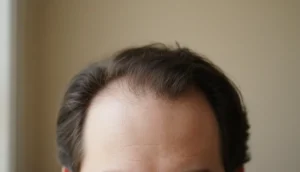
When aging and hair loss become noticeable, many people wonder if the changes are inevitable or if there are ways to slow or reverse them. This article explains the biological reasons behind hair thinning as we grow older, outlines the most common types of loss, and reviews both medical and lifestyle solutions that can help you maintain a fuller, healthier head of hair.
According to dermatological studies, up to 70 % of men and 40 % of women experience noticeable hair thinning by the age of 50. The process is not merely cosmetic; it can affect confidence, social interactions, and overall well‑being. By understanding the mechanisms at play, you can make informed decisions about treatment options and daily habits that support hair vitality.
We will cover how hormonal shifts, genetic factors, and environmental stressors contribute to hair loss, compare the most prevalent conditions, and present a range of interventions—from proven medical therapies to practical home‑care tips. Whether you are just starting to see a receding hairline or have already experienced significant thinning, the information below will guide you toward the most suitable approach for your situation.
How Aging Affects Hair Growth and Leads to Loss
Hair follicles undergo a natural life cycle of growth (anagen), regression (catagen), and rest (telogen). As we age, the duration of the anagen phase shortens, while the proportion of follicles in the telogen phase increases. This shift reduces the overall density of active hair shafts and makes existing strands finer.
Key physiological changes include:
- Reduced blood flow to the scalp, limiting oxygen and nutrient delivery.
- Decreased production of keratin, the protein that forms hair strands.
- Hormonal fluctuations, especially a rise in dihydrotestosterone (DHT), which miniaturizes follicles.
- Accumulation of oxidative stress that damages follicular stem cells.
These factors collectively create an environment where hair growth slows and shedding accelerates. While genetics set the baseline, lifestyle choices such as smoking, poor diet, and chronic stress can exacerbate the impact of aging on hair.
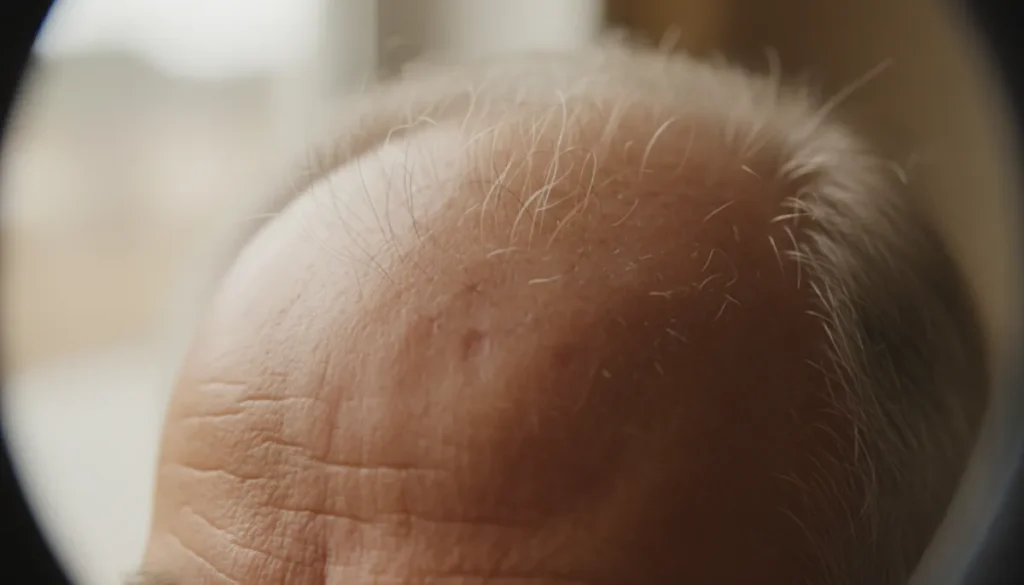
Common Types of Hair Loss Linked to Aging
Not all hair loss in older adults follows the same pattern. Understanding the specific condition helps clinicians select the most effective therapy.
| Condition | Typical Pattern | Primary Cause | Best Initial Treatment |
|---|---|---|---|
| Androgenetic alopecia | Receding hairline, crown thinning | DHT‑driven follicle miniaturization | Finasteride, minoxidil, hair transplant |
| Alopecia areata | Patchy, sudden hair loss | Autoimmune attack on follicles | Intralesional steroids, topical immunotherapy |
| Telogen effluvium | Diffuse shedding across the scalp | Stress, illness, medication | Address underlying trigger, supportive nutrition |
| Traction alopecia | Hair loss along the hairline | Chronic tension from hairstyles | Change styling habits, low‑level laser therapy |
While androgenetic alopecia (often called male or female pattern baldness) is the most prevalent age‑related form, conditions like alopecia areata can appear at any age and may require different management strategies. Recognizing the pattern early allows for timely intervention.
Effective Treatment Options for Age‑Related Hair Loss
Modern medicine offers a spectrum of solutions, ranging from topical agents to surgical restoration. The choice depends on the diagnosis, severity, and personal preferences.
Medical Therapies
- Finasterid (5 mg daily) blocks the conversion of testosterone to DHT, slowing follicle miniaturization.
- Topical minoxidil (2 % or 5 %) stimulates blood flow and prolongs the anagen phase.
- Low‑level laser therapy (LLLT) improves cellular metabolism within the scalp.
Surgical Solutions
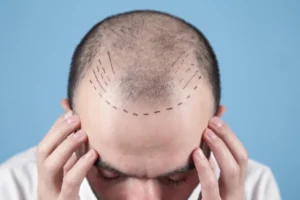
For individuals with advanced thinning, hair transplant techniques such as Follicular Unit Extraction (FUE) and Direct Hair Implantation (DHI) provide permanent, natural‑looking results. These procedures relocate healthy follicles from a donor area—usually the back of the head—to balding zones.
| Procedure | Technique | Recovery Time | Typical Candidates |
|---|---|---|---|
| FUE | Individual follicle extraction using a micro‑punch | 7‑10 days | Moderate to severe androgenetic alopecia |
| DHI | Extraction plus automated implantation without prior channel creation | 5‑8 days | Patients seeking higher graft survival rates |
| PRP Therapy | Platelet‑rich plasma injected into scalp | 1‑2 days | Early‑stage thinning, supportive adjunct |
Combination approaches—such as using minoxidil alongside a transplant—often yield the best long‑term density and durability. Consulting a qualified specialist ensures the plan aligns with your hair type, scalp health, and aesthetic goals.
Lifestyle Changes and Home Remedies to Slow Hair Thinning
While medical interventions address the underlying biology, everyday habits can significantly influence the rate of hair loss. Incorporating the following practices supports scalp health and may prolong the anagen phase.
- Nutrition: Consume foods rich in biotin, zinc, iron, and omega‑3 fatty acids—examples include eggs, nuts, leafy greens, and fatty fish.
- Stress management: Regular meditation, yoga, or aerobic exercise reduces cortisol, a hormone that can trigger telogen effluvium.
- Scalp massage: Gentle circular motions for 5‑10 minutes daily improve micro‑circulation.
- Avoid harsh chemicals: Limit the use of strong dyes, bleaching agents, and heat styling tools that damage the cuticle.
- Quit smoking: Tobacco constricts blood vessels, reducing nutrient delivery to follicles.
Supplements such as vitamin D, B‑complex, and marine collagen may fill nutritional gaps, but they should complement—not replace—prescribed treatments. Consistency is key; benefits typically become noticeable after three to six months of sustained effort.
When to Seek Professional Help for Aging‑Related Hair Loss
Early consultation with a hair restoration specialist is advisable when you notice any of the following signs:
- Sudden or rapid increase in shedding (more than 100 hairs per day).
- Visible thinning at the crown or along the hairline that does not improve with over‑the‑counter products.
- Patchy bald spots, especially if accompanied by itching or redness.
- Family history of early‑onset androgenetic alopecia.
- Persistent telogen effluvium lasting longer than six months.
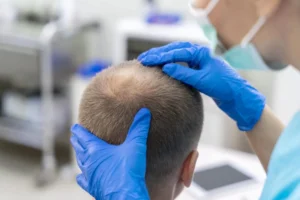
A professional evaluation typically includes a detailed medical history, scalp examination, and sometimes a trichoscopic analysis to assess follicle density. Based on the findings, a personalized treatment plan—potentially combining medication, laser therapy, and surgical options—can be crafted.
Delaying intervention may reduce the pool of viable donor follicles for future transplant procedures, making early action a strategic advantage for long‑term results.
Why Choose Gold City Hair
Gold City Hair has been delivering personalized hair restoration solutions in Turkey since 2017. Our clinic specializes in advanced techniques such as FUE, DHI, and eyebrow or beard transplants, ensuring natural‑looking results for each client. We prioritize transparent communication, detailed pre‑procedure planning, and post‑treatment support, helping you regain confidence with a smooth, hassle‑free experience.
Ready to take the next step toward fuller, healthier hair? Contact Gold City Hair today to schedule a free virtual consultation and discover the best treatment plan tailored to your needs.
SSS
What causes hair loss as we age?
Aging shortens the hair growth (anagen) phase and increases the resting (telogen) phase, reducing follicle activity.
Which type of hair loss is most common in older adults?
Androgenetic alopecia, also known as pattern baldness, is the most prevalent age‑related hair loss.
Can lifestyle changes really slow hair thinning?
Yes, proper nutrition, stress management, and scalp care can help maintain hair density.
What are the main medical treatments for age‑related hair loss?
Finasteride, minoxidil, low‑level laser therapy, and PRP are the primary non‑surgical options.
When should I consider a hair transplant?
When hair loss is moderate to severe and other treatments no longer provide sufficient density.
How does Gold City Hair differentiate itself from other clinics?
Gold City Hair offers personalized treatment plans, advanced FUE/DHI techniques, and comprehensive post‑procedure support.