Bu alopecia androgenetica definition explains that this common form of hair loss results from a combination of genetic predisposition and hormonal activity, primarily involving dihydrotestosterone (DHT). Recognizing what androgenetic alopecia is helps individuals make informed decisions about early intervention and long‑term management. Each year, millions of men and women notice thinning strands, yet many remain unaware that the underlying cause is often the same condition, simply expressed differently on the scalp.
In this article we will break down the scientific basis of androgenetic alopecia, explore how it manifests in both genders, and outline the most effective treatment pathways—including the advanced hair transplant techniques offered by Gold City Hair. Whether you are experiencing a receding hairline, a widening crown, or diffuse thinning, understanding the condition is the first step toward restoring confidence.
According to recent dermatology surveys, up to 70 % of men and 40 % of women will experience some degree of androgenetic hair loss by the age of 35. Early recognition can dramatically improve treatment outcomes, making knowledge of the alopecia androgenetica definition essential for anyone concerned about hair thinning.
What Is Androgenetic Alopecia?
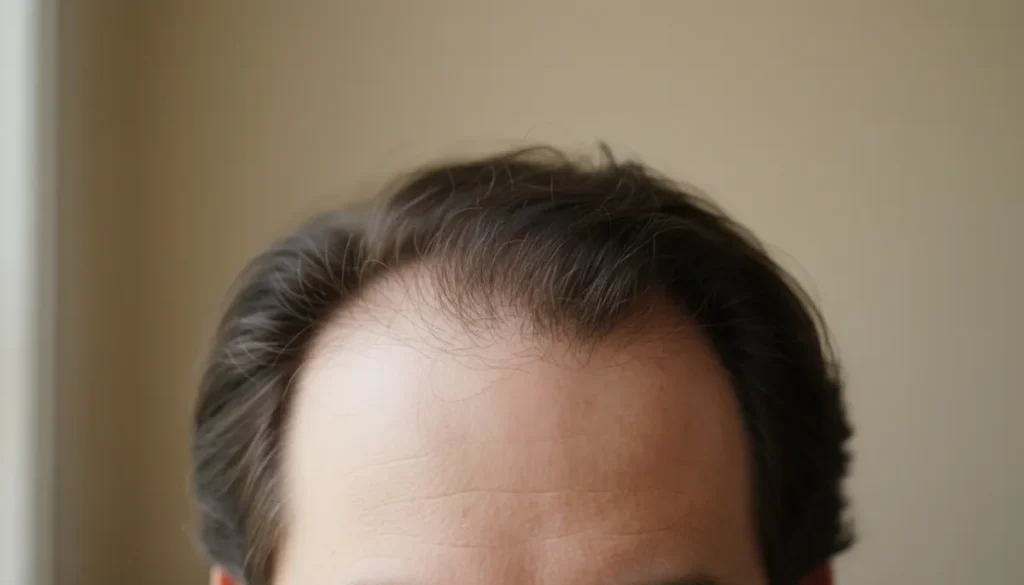
Androgenetic alopecia, often referred to as male or female pattern baldness, is the medical term for the progressive loss of hair follicles driven by genetic and hormonal factors. The alopecia androgenetica definition highlights that the condition follows a predictable pattern: men typically experience recession at the temples and thinning at the crown, while women see diffuse thinning over the top of the scalp without a distinct receding hairline.
Key characteristics include:
- Gradual reduction in hair shaft diameter (miniaturization).
- Shortening of the anagen (growth) phase of the hair cycle.
- Increased proportion of telogen (resting) hairs.
Underlying causes are rooted in the interaction between androgen hormones—especially DHT—and genetically sensitive hair follicles. Over time, DHT binds to androgen receptors in the follicle, triggering a cascade that shrinks the follicle size and reduces its ability to produce thick, pigmented hair.
Common related terms you may encounter include male pattern baldness, female pattern baldness, ve androgenic alopecia. While the terminology varies, the core mechanism remains the same, reinforcing the importance of the alopecia androgenetica definition for accurate diagnosis.
How Hormones Influence Follicle Miniaturization
The role of hormones in androgenetic alopecia is central to its pathophysiology. Dihydrotestosterone, a potent derivative of testosterone, binds to receptors within the hair follicle dermal papilla. This binding initiates a signaling pathway that shortens the growth phase and accelerates the transition to the resting phase, ultimately leading to follicle miniaturization.
Differences between male and female presentations stem from variations in hormone levels, receptor density, and scalp distribution of sensitive follicles. Below is a comparative overview:
| Aspect | Male Pattern Baldness | Female Pattern Baldness |
|---|---|---|
| Typical Pattern | Receding hairline, vertex thinning | Diffuse thinning over the crown |
| Hormonal Influence | Higher circulating testosterone/DHT | Relative estrogen decline, increased androgen sensitivity |
| Onset Age | Late teens to early 30s | Late 20s to 40s |
| Progression Speed | Often rapid over a few years | Usually slower, over many years |
Understanding this hormonal interplay clarifies why treatments that block DHT—such as finasteride for men or topical anti‑androgens for women—can be effective. However, the alopecia androgenetica definition also reminds us that not every case of hair loss is hormone‑driven; other factors like stress, nutritional deficiencies, and medical conditions may coexist.
Identifying Early Signs and Stages of Hair Thinning
Early detection of androgenetic alopecia improves the success rate of both medical and surgical interventions. The alopecia androgenetica definition emphasizes that the condition progresses through recognizable stages, often classified using the Norwood scale for men and the Ludwig scale for women.
Typical early indicators include:
- Visible widening of the part line.
- Increased shedding of fine hairs during washing.
- Noticeable thinning at the temples or crown.
- Reduced hair density without complete bald patches.
For a quick visual assessment, consider the following checklist:
| Sign | Male Presentation | Female Presentation |
|---|---|---|
| Receding Hairline | Yes | No |
| Thinning Crown | Often | Common |
| Diffuse Top‑Scalp Thinning | Rare | Frequent |
| Complete Bald Spot | Possible in advanced stages | Uncommon |
When any of these signs appear, a dermatologist can perform a scalp examination and, if needed, a trichoscopic analysis to confirm the diagnosis. Remember, the alopecia androgenetica definition does not equate to alopecia areata or telogen effluvium, which have distinct patterns and causes.
Treatment Options: From Medication to Transplant
Managing androgenetic alopecia involves a spectrum of strategies, each targeting different aspects of the hair growth cycle. The alopecia androgenetica definition acknowledges that while no cure exists, many interventions can halt progression and stimulate regrowth.
Common medical approaches include:
- Finasterid – oral DHT blocker for men.
- Minoxidil – topical vasodilator approved for both sexes.
- Low‑level laser therapy (LLLT) – non‑invasive light treatment.
- Platelet‑rich plasma (PRP) – autologous growth factor injection.
For patients seeking permanent restoration, surgical options are the gold standard. Gold City Hair specializes in:
- Foliküler Ünite Ekstraksiyonu (FUE) – individual follicle harvest with minimal scarring.
- Direct Hair Implantation (DHI) – implantation without prior channel creation.
- Eyebrow and beard transplants – tailored for facial hair restoration.
The following table compares the main pros and cons of each approach:
| Treatment | Pros | Cons |
|---|---|---|
| Finasterid | Effective DHT reduction, oral convenience | Potential sexual side effects, requires lifelong use |
| Minoxidil | Easy topical use, works for both genders | Skin irritation, results take 4–6 months |
| LLLT | Non‑invasive, can be used at home | Variable efficacy, requires consistent sessions |
| FUE/DHI Transplant | Permanent, natural‑looking results | Higher cost, surgical recovery period |
Choosing the right plan depends on the stage of hair loss, personal health, and aesthetic goals. A thorough consultation—aligned with the alopecia androgenetica definition—helps determine whether a combination of medication and transplant yields the best outcome.
Lifestyle Factors and Prevention Strategies
While genetics set the stage, lifestyle choices can accelerate or decelerate the progression of androgenetic alopecia. The alopecia androgenetica definition reminds us that a holistic approach often yields the most sustainable results.
Key preventive measures include:
- Balanced Nutrition – Adequate protein, iron, zinc, and biotin support follicle health.
- Stress Management – Chronic stress elevates cortisol, which can exacerbate hair shedding.
- Avoidance of Harsh Treatments – Excessive heat, tight hairstyles, and chemical dyes damage follicles.
- Regular Scalp Care – Gentle cleansing and occasional scalp massage improve circulation.
Additionally, certain habits may unintentionally worsen hair loss:
- Smoking – reduces blood flow to the scalp.
- Excessive alcohol consumption – can lead to nutrient deficiencies.
- Over‑use of steroids or anabolic agents – increase DHT levels.
Integrating these lifestyle adjustments with medical or surgical treatments creates a comprehensive plan that aligns with the alopecia androgenetica definition and maximizes the likelihood of long‑term hair retention.
Why Choose Gold City Hair
Gold City Hair has been delivering personalized hair restoration solutions since 2017, combining cutting‑edge FUE and DHI techniques with a patient‑first philosophy. Our team of board‑certified specialists provides transparent communication, thorough pre‑procedure screening, and post‑operative support to ensure optimal outcomes. Located in Turkey, we offer world‑class facilities at competitive prices, making advanced hair transplant care accessible to a global clientele.
Ready to take the next step toward a fuller, healthier head of hair? Contact Gold City Hair today for a free, no‑obligation consultation and discover how our expertise can restore your confidence.
Call now or fill out our online form to schedule your personalized assessment.
SSS
What is the definition of alopecia androgenetica?
Alopecia androgenetica is a common form of hair loss caused by genetic predisposition and the action of dihydrotestosterone (DHT) on hair follicles.
How does DHT cause hair follicle miniaturization?
DHT binds to follicle receptors, triggering a cascade that shortens the growth phase and shrinks the follicle size.
What are the early signs of androgenetic alopecia in men and women?
Early signs include a widening part line, increased shedding, thinning at the temples or crown, and reduced overall hair density.
Which treatments are most effective for androgenetic alopecia?
Effective treatments include DHT blockers like finasteride, topical minoxidil, low‑level laser therapy, PRP injections, and surgical options such as FUE or DHI transplants.
What is the difference between FUE and DHI hair transplant techniques?
FUE extracts individual follicles with minimal scarring, while DHI implants them directly without creating channels beforehand, offering potentially higher graft survival.
Can lifestyle changes prevent or slow down androgenetic hair loss?
Yes, balanced nutrition, stress management, and avoiding harsh hair treatments can help slow progression of androgenetic alopecia.