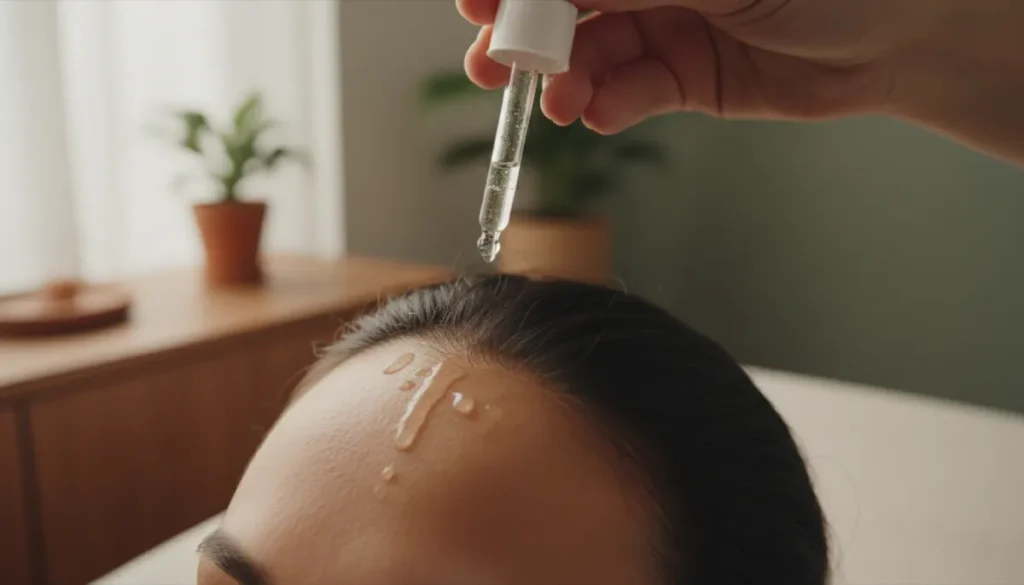
Finding an effective anti hair fall serum can feel overwhelming with countless options on the market. This article explains the science behind these serums, guides you in selecting the best formula for your needs, and shares practical tips to maximize results. Whether you’re dealing with early thinning or looking to boost overall hair density, understanding the right product can make a noticeable difference.
Hair loss affects millions worldwide, and a recent study shows that up to 40% of men and women experience noticeable shedding by age 35. While medical procedures like hair transplantation offer permanent solutions, many prefer non‑invasive options such as serums to address the problem early.
We’ll explore the key ingredients that drive hair growth, compare popular formulations, and outline a step‑by‑step routine that complements professional hair restoration services. By the end, you’ll know how to evaluate claims, avoid common pitfalls, and choose a serum that truly supports your scalp health.
How Anti Hair Fall Serums Work: The Science Behind the Formula
Modern serums combine cosmetic and therapeutic ingredients to target the root causes of shedding. The primary mechanisms include stimulating follicular activity, improving scalp circulation, and protecting existing strands from environmental stress.
Key Active Ingredients
- Minoxidil – a FDA‑approved vasodilator that extends the growth phase of hair follicles.
- Peptide Complexes – such as copper peptides, which promote collagen production and strengthen the hair shaft.
- Biotin & Vitamin B5 – essential for keratin synthesis and overall scalp health.
- Plant Extracts – rosemary, saw palmetto, and caffeine, known for their anti‑inflammatory and DHT‑blocking properties.
- Hyaluronic Acid – retains moisture, keeping the scalp hydrated and reducing brittleness.
When these components work together, they create an environment where hair can grow stronger and longer. Below is a comparison of the most common ingredient blends found in leading serums.
| Ingredient | Primary Benefit | Typical Concentration |
|---|---|---|
| Minoxidil | Stimulates follicle growth | 2–5% |
| Copper Peptide | Enhances collagen & keratin | 0.5–2% |
| Rosemary Extract | Improves scalp circulation | 1–3% |
| Biotin | Supports keratin production | 0.1–0.5% |
| Hyaluronic Acid | Locks in moisture | 0.5–1% |
Choosing the Right Serum for Your Hair Type and Lifestyle
Not all serums are created equal, and selecting the right one depends on your hair texture, scalp condition, and daily routine. Below is a quick guide to match product types with common hair profiles.
- Oily Scalp – Look for lightweight, non‑comedogenic formulas with tea tree oil or salicylic acid to balance sebum.
- Dry or Brittle Hair – Opt for serums rich in hyaluronic acid and vitamin B5 for deep hydration.
- Fine, Thinning Hair – Choose volumizing serums that contain caffeine and peptides without heavy oils.
- Color‑Treated Hair – Seek antioxidant‑rich serums that protect against UV damage and preserve dye.
When evaluating a product, consider the following criteria:
| Criteria | What to Look For |
|---|---|
| Ingredient Transparency | Full list of actives and concentrations |
| Dermatologist Tested | Clinical studies supporting efficacy |
| Fragrance-Free | Minimizes irritation for sensitive scalps |
| Application Frequency | Fits your daily schedule (once vs. twice daily) |
Combining a high‑quality serum with a comprehensive hair loss treatment plan—such as proper nutrition and stress management—delivers the best outcomes.
Application Tips and Common Mistakes to Avoid
Even the most potent serum will underperform if applied incorrectly. Follow these proven steps to ensure optimal absorption and results.
Step‑by‑Step Routine
- Cleanse: Use a gentle, sulfate‑free shampoo to remove buildup.
- Towel‑Dry: Pat hair dry—avoid vigorous rubbing that can damage follicles.
- Apply Serum: Dispense 2–3 drops per scalp area, focusing on thinning zones.
- Massage: Use fingertips to massage in circular motions for 1–2 minutes to boost circulation.
- Leave‑In: Allow the product to absorb fully; do not rinse.
- Follow‑Up: Use a lightweight conditioner if needed, but keep it away from the scalp.
Common pitfalls include over‑application, using the serum on wet hair (which dilutes active ingredients), and neglecting consistent use. Most clinicians recommend daily application for at least three months before assessing efficacy.
When to Consider Medical Treatments vs. Serums
Serums are an excellent first‑line defense, but they may not fully address advanced hair loss. Understanding when to transition to medical options—such as platelet‑rich plasma (PRP) or hair transplantation—can save time and resources.
| Aspect | Anti Hair Fall Serum | Medical Treatments (e.g., PRP, FUE) |
|---|---|---|
| Invasiveness | Non‑invasive, topical | Minimally invasive (PRP) to surgical (FUE) |
| Cost | Low to moderate (monthly) | Higher upfront cost |
| Time to See Results | 3–6 months | PRP: 4–6 months; FUE: 9–12 months |
| Long‑Term Efficacy | Supports existing hair | Creates new follicular units |
| Bakım | Ongoing use required | Periodic follow‑ups |
If you notice persistent thinning despite consistent serum use, or if you have a family history of pattern baldness, consulting a specialist for a personalized hair loss treatment plan is advisable.
Supporting Factors: Nutrition, Scalp Care, and Lifestyle
Topical solutions work best when complemented by a healthy lifestyle. Nutrients such as iron, zinc, and omega‑3 fatty acids are vital for follicle health.
- Iron‑Rich Foods – spinach, lentils, and lean red meat help prevent telogen effluvium.
- Omega‑3 Sources – salmon, walnuts, and flaxseed reduce inflammation.
- Stress Management – regular exercise and mindfulness lower cortisol, which can exacerbate shedding.
- Scalp Hygiene – weekly gentle exfoliation removes dead skin cells and promotes blood flow.
Integrating these habits with a high‑quality anti hair fall serum creates a synergistic effect, enhancing both density and overall hair vitality.
Why Choose Gold City Hair
At Gold City Hair, we combine cutting‑edge hair restoration techniques with personalized care. Since 2017, our team has helped thousands regain confidence through FUE, DHI, and eyebrow/beard transplants, all performed in Turkey’s leading aesthetic clinics. Our transparent communication ensures you understand every step of your journey, from initial consultation to post‑procedure support.
Ready to stop hair loss at its source? Explore our range of clinically proven serums and schedule a free virtual consultation today. Take the first step toward stronger, fuller hair with Gold City Hair.
SSS
What are the main active ingredients in anti hair fall serums?
Common actives include minoxidil, copper peptides, biotin, vitamin B5, rosemary extract, saw palmetto, caffeine, and hyaluronic acid.
How should I choose a serum based on my hair type?
Match the serum’s texture and actives to your scalp condition: lightweight formulas for oily scalp, hydrating ones for dry hair, volumizing for fine hair, and antioxidant‑rich for color‑treated hair.
What is the correct way to apply an anti hair fall serum?
Apply 2–3 drops to a towel‑dry scalp, massage gently for 1–2 minutes, and let it absorb without rinsing; use daily for at least three months.
When should I consider medical hair loss treatments instead of serums?
If shedding persists after 3–6 months of consistent serum use, or if you have a strong family history of baldness, consult a specialist about PRP, FUE, or other medical options.
How do nutrition and lifestyle affect the effectiveness of hair serums?
Adequate intake of iron, zinc, omega‑3s, and stress management enhance serum results by supporting overall follicle health.
What should I look for on a serum label to ensure quality?
Check for full ingredient disclosure, concentration percentages, dermatologist testing, fragrance‑free formulas, and clear usage instructions.