When bald hair becomes a visible concern, many wonder why it happens and what can be done. This article breaks down the underlying causes, reviews both non‑surgical and surgical solutions, and explains what patients can expect from a modern hair restoration journey. According to recent studies, over 30 % of men and a growing number of women experience noticeable thinning by age 35, making early awareness essential.
We’ll explore the science behind hair loss, compare popular treatment methods, and highlight how advanced techniques can restore a natural‑looking hairline. Whether you’re dealing with a receding hairline, patchy alopecia, or a completely bald scalp, understanding your options empowers you to make an informed decision.
Read on to discover practical steps you can take today and how Gold City Hair’s personalized approach can help you regain confidence.
What Causes Bald Hair? A Comprehensive Overview
Identifying the root cause of bald hair is the first step toward effective treatment. Hair loss can stem from genetic, hormonal, medical, or lifestyle factors. Below is a concise list of the most common contributors:
- Androgenetic alopecia (male or female pattern baldness)
- Autoimmune conditions such as alopecia areata
- Hormonal changes, including thyroid disorders
- Medications like chemotherapy agents or anticoagulants
- Stress‑related telogen effluvium
- Nutritional deficiencies (iron, vitamin D, zinc)
- Traction alopecia from tight hairstyles
Understanding these triggers helps clinicians tailor a plan that targets the specific mechanism behind the hair loss.
| Condition | Typical Pattern | Primary Treatment Approach |
|---|---|---|
| Androgenetic alopecia | Gradual thinning on crown and frontal hairline | Finasteride, minoxidil, hair transplant |
| Alopecia areata | Round, smooth patches of baldness | Corticosteroid injections, immunotherapy |
| Telogen effluvium | Diffuse shedding across the scalp | Stress management, nutritional support |

Non‑Surgical Options for Managing Bald Hair
Before considering surgery, many patients explore non‑invasive treatments that can slow or partially reverse hair thinning. These options are often used in combination for optimal results.
Topical and Oral Medications
Two FDA‑approved medications dominate the market:
- Minoxidil – a topical solution that widens blood vessels, promoting follicular growth. Available in 2 % and 5 % concentrations.
- Finasterid – an oral 5‑alpha‑reductase inhibitor that reduces dihydrotestosterone (DHT) levels, a primary driver of androgenetic alopecia.
Both require consistent daily use and may take 3–6 months to show visible improvement.
Hair Growth Products and Supplements
While not a cure, certain products can support healthy hair cycles:
- Biotin‑rich vitamins
- Keratin‑based shampoos
- Plant extracts such as saw‑tooth oak and pumpkin seed oil
These are most effective when paired with a balanced diet and proper scalp hygiene.
Low‑Level Light Therapy (LLLT)
LLLT devices emit red light wavelengths that stimulate cellular activity in hair follicles. Clinical trials report modest gains in hair density after 12‑week treatment cycles.
| Method | Typical Duration | Expected Outcome |
|---|---|---|
| Minoxidil | 6 months | 5‑10 % increase in hair count |
| Finasterid | 12 months | Stabilization and modest regrowth |
| LLLT | 12 weeks | Improved thickness, especially in early stages |
Surgical Hair Restoration Techniques for Bald Hair
When non‑surgical methods are insufficient, hair transplant procedures offer permanent, natural‑looking results. Gold City Hair specializes in three leading techniques:
Foliküler Ünite Ekstraksiyonu (FUE)
FUE removes individual follicular units from a donor area (typically the back of the scalp) and implants them into the balding zone. The method leaves tiny dot‑like scars that are virtually invisible.
Direct Hair Implantation (DHI)
DHI utilizes a patented implanter pen, allowing surgeons to place grafts at precise angles and depths without creating pre‑made channels. This can improve graft survival rates.
Eyebrow and Beard Transplants
For patients with sparse facial hair, the same FUE or DHI principles can restore eyebrows, sideburns, or a full beard, enhancing overall facial aesthetics.
| Technique | Key Advantage | Typical Graft Survival Rate |
|---|---|---|
| FUE | Minimal scarring, flexible donor area | 90‑95 % |
| DHI | Higher precision, faster implantation | 92‑96 % |
| Eyebrow/Beard | Customizable shape, natural density | 88‑94 % |
The Hair Transplant Journey: From Consultation to Recovery
Embarking on a transplant involves several well‑defined stages. Understanding each step helps set realistic expectations and reduces anxiety.
Initial Screening and Planning
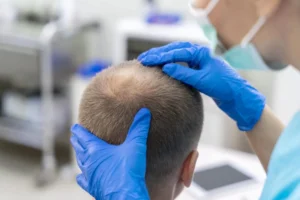
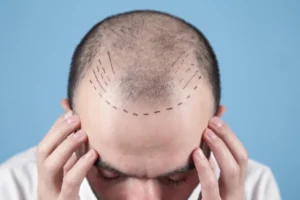
During the first visit, clinicians assess scalp health, donor density, and the pattern of baldness. High‑resolution photography and trichoscopic analysis guide the creation of a customized graft map.
Surgical Procedure
On the day of surgery, local anesthesia ensures a pain‑free experience. Depending on the chosen technique, the procedure can last 4–8 hours. Patients remain awake but relaxed.
Post‑Operative Care
After graft placement, the scalp is gently bandaged. Patients receive detailed after‑care instructions, including:
- Avoiding direct sunlight for two weeks
- Using prescribed gentle shampoos
- Taking prescribed antibiotics or anti‑inflammatories
Most individuals resume light activities within 3–5 days, with full recovery occurring in 2–3 weeks.
| Phase | Typical Timeline | Key Activities |
|---|---|---|
| Danışmanlık | 1 hour | Scalp analysis, treatment plan |
| Ameliyat | 4‑8 hours | Graft extraction and implantation |
| Recovery | 2‑3 weeks | Follow‑up visits, after‑care regimen |
Maintaining Results and Long‑Term Hair Health
Successful restoration is only the beginning; ongoing maintenance ensures lasting density and natural appearance.
Medication Continuation
Many surgeons recommend continuing low‑dose finasteride or topical minoxidil for at least 12 months post‑transplant to protect existing native hairs.
Lifestyle Adjustments
Adopting a balanced diet rich in protein, omega‑3 fatty acids, and antioxidants supports follicle vitality. Regular exercise improves circulation, which benefits scalp health.
Periodic Follow‑Ups
Scheduled check‑ups at 3, 6, and 12 months allow clinicians to monitor graft survival and address any emerging concerns promptly.
- Use a silk pillowcase to reduce friction while sleeping.
- Limit exposure to harsh chemicals and excessive heat styling.
- Consider periodic low‑level light therapy sessions for added stimulation.
Why Choose Gold City Hair for Bald Hair Restoration
Gold City Hair combines cutting‑edge FUE and DHI technologies with a patient‑centered approach. Since 2017, the clinic has delivered consistent, natural results for men and women worldwide. Our experienced surgeons prioritize transparent communication, creating a personalized treatment plan that aligns with each individual’s aesthetic goals. By choosing Gold City Hair, you benefit from a proven track record, state‑of‑the‑art facilities, and comprehensive after‑care support that maximizes graft survival and long‑term confidence.
Ready to take the first step toward a fuller, natural‑looking head of hair? Contact Gold City Hair today to schedule your confidential consultation and discover a customized solution for your bald hair concerns.
SSS
What are the most common causes of bald hair?
Bald hair is usually caused by androgenetic alopecia, autoimmune conditions, hormonal changes, certain medications, stress, nutritional deficiencies, and traction alopecia.
How effective are non‑surgical treatments like minoxidil and finasteride?
Minoxidil and finasteride are FDA‑approved and can halt hair loss and stimulate modest regrowth when used consistently for several months.
What is the difference between FUE and DHI hair transplant techniques?
FUE extracts individual follicles and implants them manually, while DHI uses a patented implanter pen for direct placement without pre‑made channels, offering higher precision.
What can I expect during the hair transplant recovery period?
Recovery includes a few days of mild discomfort, avoiding sun and harsh shampoos, and a gradual return to normal activities within 2‑3 weeks.
How can I maintain my hair transplant results long term?
Continuing low‑dose finasteride or minoxidil, following a nutrient‑rich diet, and regular follow‑ups help preserve grafts and native hair.
Is low‑level light therapy a viable option for bald hair?
LLLT can modestly increase hair density, especially in early‑stage thinning, and is often used alongside other treatments.