When you first notice a patch of missing hair, the question that often follows is how long do bald spots take to grow back. Understanding the timeline helps set realistic expectations and guides you toward the most effective hair loss treatment. Whether the cause is genetic, hormonal, or related to an autoimmune condition such as alopecia, the regrowth process varies widely.
According to dermatological studies, roughly 30% of individuals experience noticeable hair regrowth within three to six months after initiating proper therapy. However, the journey can be longer for those with extensive thinning or underlying scalp conditions. This article breaks down the key factors that influence recovery time, outlines what to expect after a hair transplant, and offers practical tips to accelerate natural hair growth.
By the end of this guide, you’ll have a clear picture of the stages of hair regrowth, common obstacles that can delay progress, and evidence‑based solutions to help you regain a fuller, healthier look.
Factors That Influence Bald Spot Regrowth Time
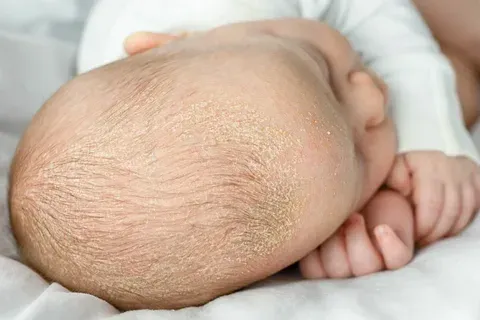
Regrowth speed is not uniform; it depends on a combination of biological and lifestyle elements. Below are the most influential factors:
- Age: Younger follicles tend to respond faster to treatment.
- Genetik: Family history of androgenetic alopecia can slow natural recovery.
- Hormonal Balance: Elevated dihydrotestosterone (DHT) levels can inhibit new growth.
- Beslenme: Deficiencies in iron, zinc, and biotin affect keratin production.
- Scalp Health: Inflammation, infections, or excessive sebum can impede follicle activity.
- Medical Condition: Autoimmune disorders like alopecia areata cause sudden patchy loss and may require specific therapy.
- Stress Levels: Chronic stress triggers telogen effluvium, pushing hairs into the shedding phase.
Understanding these variables allows you to tailor a comprehensive plan that addresses the root cause, rather than merely treating the symptom.
Typical Healing Timeline After a Hair Transplant
For individuals opting for surgical solutions, the healing process follows a predictable pattern. While a transplant does not instantly fill a bald spot, it sets the foundation for lasting regrowth.
Day 0–7: Immediate Post‑Operative Phase
The scalp may appear red and slightly swollen. Small crusts form around graft sites, protecting the transplanted follicles.
Week 2–4: Shedding Phase
Transplanted hairs often fall out—a normal phenomenon called “shock loss.” This signals that the follicles have entered a resting state before new growth begins.
Month 3–4: Early Growth
Fine, silvery hairs emerge. At this stage, the hair is fragile and may be prone to breakage.
Month 6–9: Visible Density
Hair thickens and takes on a natural color and texture. Most patients notice a significant improvement in the previously bald area.
Month 12+: Full Maturation
Grafts reach their final length and density, completing the transformation.
| Technique | Typical Time to Visible Growth | Key Advantages |
|---|---|---|
| FUE (Follicular Unit Extraction) | 3–4 months | Minimally invasive, no linear scar |
| DHI (Doğrudan Saç İmplantasyonu) | 2–3 months | Higher graft survival rate |
| Strip (FUT) | 4–5 months | Cost‑effective for large areas |
Even with advanced techniques, patience remains essential. Most patients report noticeable regrowth between three and six months, but full results can take up to a year.
When to Expect Natural Hair Growth Without Surgery
Not every bald spot requires a transplant. Many individuals experience spontaneous regrowth when underlying issues are addressed.
- Telogen Effluvium Recovery: After a stressful event, hair typically returns within 3–6 months once the trigger is removed.
- Alopecia Areata Remission: Topical corticosteroids or immunotherapy can stimulate regrowth in weeks to months, depending on severity.
- Hormonal Adjustments: Treating thyroid imbalances or reducing DHT with medication often yields new growth within 4–8 months.
Patience is crucial because hair cycles operate on a roughly 2‑ to 3‑month growth phase (anagen), followed by a resting phase (telogen). If you intervene during the anagen phase with proper hair loss treatment, the follicles are more likely to produce robust strands.
Common Mistakes That Delay Regrowth and How to Avoid Them
Even with the best medical plan, everyday habits can sabotage progress. Below are frequent pitfalls and corrective actions:
| Mistake | Impact on Regrowth | Corrective Measure |
|---|---|---|
| Using harsh shampoos | Strips natural oils, irritates follicles | Switch to sulfate‑free, pH‑balanced shampoo |
| Wearing tight hairstyles | Creates traction alopecia, slows healing | Opt for loose braids or ponytails |
| Aşırı ısıyla şekillendirme | Damages cuticle, leads to breakage | Limit heat tools; use low‑temperature settings |
| Skipping follow‑up appointments | Misses early signs of complications | Maintain regular check‑ins with your specialist |
Adopting a gentle hair‑care routine, managing stress, and staying consistent with prescribed medications dramatically improve the odds of timely regrowth.
Medical Treatments and Lifestyle Changes to Speed Up Recovery
Combining medical interventions with supportive lifestyle habits creates a synergistic effect that can shorten the timeline for bald spot recovery.
- Finasteride or Dutasteride: Oral DHT blockers that stabilize hair loss and promote regrowth in 4–6 months.
- Minoxidil (Topical): Increases blood flow to follicles; visible results often appear after 2–4 months.
- Platelet‑Rich Plasma (PRP): Utilizes growth factors to stimulate dormant follicles, typically requiring 3‑month intervals.
- Low‑Level Laser Therapy (LLLT): Enhances cellular metabolism, supporting faster anagen entry.
- Beslenme: Adequate protein, iron, zinc, and biotin are essential for keratin synthesis.
- Stress Management: Practices like meditation, yoga, and regular exercise reduce cortisol, which can otherwise trigger telogen shedding.
Before starting any regimen, consult a qualified specialist to tailor a plan that aligns with your specific type of hair loss—be it male pattern baldness, female pattern baldness, or an autoimmune condition.
Why Choose Gold City Hair for Your Hair Restoration
Gold City Hair has been delivering personalized hair restoration solutions since 2017. Our clinic specializes in advanced FUE ve DHI techniques, ensuring high graft survival rates and natural‑looking results. With transparent communication and a patient‑first approach, we design each treatment plan to match your unique hair loss pattern and aesthetic goals. Trust a team that combines medical expertise with artistic precision to help you regain confidence.
Ready to start your journey toward fuller, healthier hair? Contact Gold City Hair today to schedule a personalized consultation and discover the best plan for your bald spot regrowth.
Take the first step—your confidence is just a call away.
SSS
How long does it take for a bald spot to grow back after a hair transplant?
Visible hair usually appears between 3 and 6 months, with full maturation around 12 months.
Can bald spots regrow naturally without surgery?
Yes, many can recover with proper treatment of underlying causes within 3‑8 months.
What lifestyle factors most affect bald spot regrowth speed?
Age, genetics, hormones, nutrition, scalp health, stress, and medical conditions are key.
Which medical treatments are most effective for speeding up bald spot recovery?
Finasteride/Dutasteride, minoxidil, PRP, low‑level laser therapy, and proper nutrition are proven options.
What common hair‑care mistakes delay bald spot regrowth?
Harsh shampoos, tight hairstyles, excessive heat, and missed follow‑ups can hinder progress.