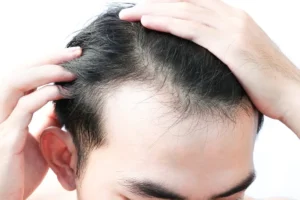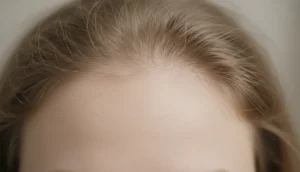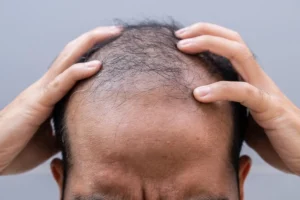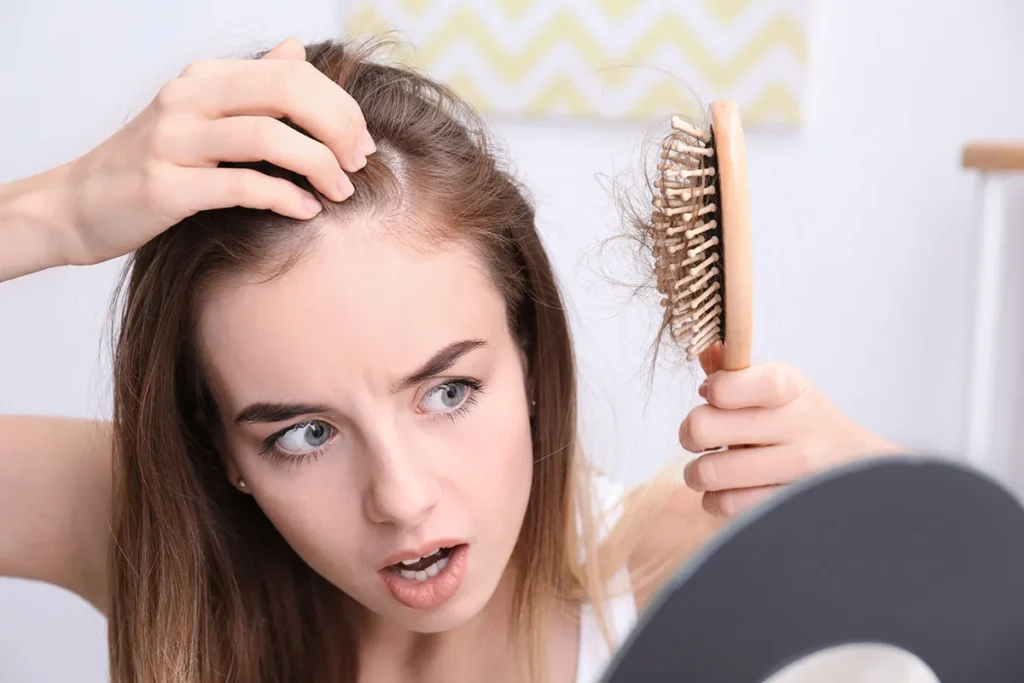
Many women prescribed Crestor wonder if the medication could be the reason behind thinning strands. The question can crestor cause hair loss in women is common, especially as hair health is closely tied to confidence and overall well‑being. In this article we’ll examine the science behind Crestor’s side effects, explore how it might influence the hair growth cycle, and outline practical steps you can take if you notice shedding while on the drug.
Statins, including Crestor (rosuvastatin), are among the most widely used cholesterol‑lowering medications worldwide. While they are effective at reducing cardiovascular risk, reports of hair‑related complaints have surfaced in patient forums and some clinical observations. Understanding whether these reports reflect a direct causal link or are coincidental is essential for making informed health decisions.
We’ll break down the mechanisms of statins, compare reported incidences of hair loss with other side effects, and discuss what you can do—whether that means adjusting your medication, exploring supportive treatments, or considering advanced hair restoration options at Gold City Hair.
Understanding Crestor and Its Role in Cholesterol Management
Crestor, whose generic name is rosuvastatin, belongs to the class of drugs known as statins. These medications lower low‑density lipoprotein (LDL) cholesterol by inhibiting the enzyme HMG‑CoA reductase, a key player in the liver’s production of cholesterol.
Beyond cholesterol reduction, statins have additional effects on inflammation and endothelial function, which contribute to their cardiovascular benefits. However, like any medication, they come with a profile of possible adverse reactions.
- Common side effects: muscle aches, headache, nausea.
- Less common but notable: liver enzyme changes, digestive disturbances.
- Rarely reported: skin rashes, memory issues, and hair changes.
When evaluating whether can crestor cause hair loss in women, it helps to place hair loss among the broader spectrum of statin side effects. The statin side effects list often includes alopecia, though the frequency is low compared with muscle‑related complaints.
Investigating the Link Between Crestor and Hair Loss in Women
Scientific literature on the direct relationship between Crestor and hair loss is limited, but several mechanisms have been proposed. Statins may affect hair follicles through:
- Alteration of the mevalonate pathway, which is involved in the synthesis of coenzyme Q10—a molecule important for cellular energy.
- Potential disruption of the hormonal balance that influences the hair growth cycle.
- Immune‑mediated reactions that could trigger telogen effluvium, a temporary shedding phase.
Clinical observations suggest that hair loss, when it occurs, is usually reversible after discontinuation or dose adjustment. A retrospective analysis of 2,000 statin users reported that hair loss was noted in approximately 0.5% of patients, with a slightly higher incidence in women.
| Side Effect | Incidence (per 1,000 users) | Typical Onset |
|---|---|---|
| Muscle pain (myalgia) | 30 | Weeks to months |
| Elevated liver enzymes | 12 | 1–3 months |
| Hair loss (alopecia) | 5 | 2-6 ay |
| Headache | 8 | Variable |
While the data do not conclusively prove that can crestor cause hair loss in women, the association is plausible enough to warrant attention, especially for patients already predisposed to thinning hair.
Differentiating Drug‑Induced Hair Loss from Other Causes
Hair shedding can stem from many sources, and attributing it solely to Crestor without a thorough evaluation may lead to missed diagnoses. Common non‑drug causes include:
- Hormonal fluctuations – pregnancy, menopause, thyroid disorders.
- Nutritional deficiencies – iron, zinc, vitamin D.
- Stress‑related telogen effluvium – major surgery, emotional trauma.
- Genetic androgenic alopecia – pattern baldness that follows a hereditary pattern.
Distinguishing between statin‑induced hair loss and these other factors typically involves a detailed medical history, blood tests, and sometimes a scalp biopsy. If hair loss began shortly after starting Crestor and improves after a dosage change, a drug link becomes more likely.
Women should also be aware of the broader category of statin side effects that can indirectly affect hair health, such as muscle weakness leading to reduced physical activity, which may influence circulation to the scalp.
Managing Hair Concerns While on Crestor
If you suspect that Crestor may be contributing to hair loss, the first step is a candid conversation with your prescribing physician. Do not discontinue the medication abruptly, as sudden cessation can increase cardiovascular risk.
Medical Strategies
- Ask about a dose reduction or switching to another statin with a lower reported incidence of alopecia (e.g., pravastatin).
- Request baseline and follow‑up labs to monitor liver function and vitamin D levels, which can influence hair growth.
- Consider a short trial of coenzyme Q10 supplementation, which some clinicians use to mitigate statin‑related muscle and possibly hair effects.
Supportive Hair‑Care Measures
- Adopt a balanced diet rich in protein, iron, and omega‑3 fatty acids.
- Use gentle, sulfate‑free shampoos and avoid excessive heat styling.
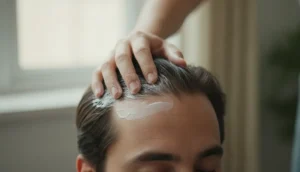
- Topical treatments such as minoxidil have been shown to promote regrowth in telogen effluvium.
- Regular scalp massages can improve local blood flow.
Most importantly, monitor the timeline: if hair shedding diminishes within three months of a medication adjustment, the link to Crestor is likely. Persistent loss may require further investigation.
When Hair Loss Persists: Considering Hair Restoration Options
For some women, medication adjustments alone may not fully restore lost density. In such cases, exploring professional hair restoration can provide lasting confidence.
Why Hair Transplant May Be a Viable Choice
Modern techniques offer natural‑looking results with minimal downtime. At Gold City Hair, we specialize in procedures that are tailored to each individual’s pattern of loss and aesthetic goals.
| Technique | Key Feature | Ideal Candidate |
|---|---|---|
| FUE (Follicular Unit Extraction) | Individual follicle removal, no linear scar | Patients seeking subtle, undetectable results |
| DHI (Doğrudan Saç İmplantasyonu) | Implantation without prior incisions, higher graft survival | Those desiring faster recovery |
| Eyebrow/Beard Transplant | Precision placement for facial hair restoration | Patients with thinning eyebrows or beard areas |
Our clinic follows a personalized protocol: a thorough scalp assessment, discussion of medical history (including any statin use), and a customized surgical plan. The goal is to achieve a natural hairline that blends seamlessly with existing hair, restoring not just volume but self‑esteem.
Why Choose Gold City Hair
Since 2017, Gold City Saç has been a trusted destination for hair restoration in Turkey, offering cutting‑edge FUE, DHI, and facial hair transplant techniques. Our team prioritizes transparent communication, personalized treatment plans, and a comfortable patient experience. Whether you are dealing with medication‑related shedding or long‑standing thinning, we combine clinical expertise with compassionate care to help you regain confidence.
Ready to discuss your hair concerns and explore tailored solutions? Contact Gold City Hair today to schedule a confidential consultation and take the first step toward a fuller, healthier look.
SSS
Can Crestor cause hair loss in women?
Yes, Crestor (rosuvastatin) has been reported to cause hair loss in a small percentage of women, though it is a rare side effect.
How common is hair loss as a side effect of Crestor?
Hair loss is a rare side effect, reported in roughly 5 per 1,000 Crestor users.
What mechanisms link Crestor to hair loss?
Possible mechanisms include mevalonate pathway disruption, hormonal changes, and immune‑mediated telogen effluvium.
How can I manage hair loss while taking Crestor?
Talk to your doctor about dose adjustment or switching statins, supplement with CoQ10, and adopt supportive hair‑care habits.
When should I consider hair restoration after Crestor‑related hair loss?
If shedding persists beyond three months after medication adjustment, consult a hair restoration specialist.
Are there alternative statins with a lower risk of hair loss?
Pravastatin and some low‑dose statins are reported to have fewer alopecia cases.
Does coenzyme Q10 supplementation help with Crestor‑induced hair loss?
Supplementing CoQ10 may reduce hair shedding for some patients, though evidence is anecdotal.