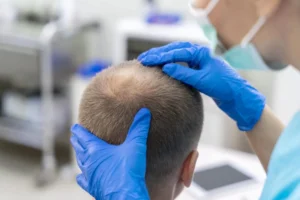
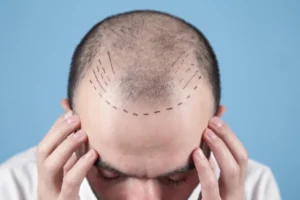
Will Humira cause hair loss is a common concern for many patients prescribed this biologic medication. Understanding the connection between Humira ve hair loss helps you make informed health decisions and plan appropriate treatments. In this article we explore the science behind Humira, examine reported side effects, identify who may be most vulnerable, and discuss practical steps to manage or reverse hair thinning.
Humira (adalimumab) is widely used for autoimmune conditions such as rheumatoid arthritis, psoriatic arthritis, and ulcerative colitis. While it offers significant relief from inflammation, some users report unexpected changes in hair density. Recent surveys indicate that up to 5% of patients notice hair thinning within the first few months of therapy, prompting questions about causality and long‑term implications.
By the end of this guide you will understand why the question “will Humira cause hair loss” arises, what the current medical evidence says, and how modern hair restoration techniques—like those offered at Gold City Hair—can restore confidence for those affected.
Understanding Humira and Its Mechanism
Humira, whose generic name is adalimumab, belongs to a class of drugs known as tumor necrosis factor‑alpha (TNF‑α) inhibitors. These biologics target a specific protein that drives inflammation in various autoimmune diseases.
What Is Humira (Adalimumab)?
Adalimumab is a fully human monoclonal antibody administered via subcutaneous injection. It binds to TNF‑α, preventing the molecule from interacting with its receptors and thereby reducing inflammatory signaling.
How It Works
By neutralizing TNF‑α, Humira helps to:
- Decrease joint swelling and pain in rheumatoid arthritis.
- Reduce skin plaques in psoriatic arthritis.
- Alleviate intestinal inflammation in ulcerative colitis.
Although the primary goal is to control disease activity, the systemic modulation of immune pathways can occasionally affect other physiological processes, including hair follicle cycling.

Reported Side Effects: Focus on Hair Loss
When patients ask, “will Humira cause hair loss,” clinicians turn to clinical trial data and post‑marketing surveillance reports. Hair loss is not listed among the most common adverse events, but it does appear in a minority of cases.
| Side Effect | Incidence (Clinical Trials) | Notes |
|---|---|---|
| Injection site reactions | 15‑20% | Redness, swelling, pain |
| Upper respiratory infections | 10‑12% | Usually mild |
| Hair loss (Alopecia) | 0.5‑2% | Rare, often reversible |
| Serious infections | 1‑2% | Requires monitoring |
While the overall incidence of hair loss remains low, the impact on quality of life can be substantial. Dermatologists suggest that the mechanism may involve altered cytokine balance affecting the hair growth cycle, leading to telogen effluvium—a temporary shedding phase.
Patients who notice sudden thinning should consult their rheumatologist or dermatologist. The question “will Humira cause hair loss” often leads to a risk‑benefit discussion, weighing disease control against cosmetic concerns.
Who Is Most At Risk?
Not everyone taking Humira will experience hair thinning. Certain factors increase susceptibility, making the query “will Humira cause hair loss” more pertinent for specific groups.
- Pre‑existing alopecia: Individuals with a history of pattern baldness or autoimmune alopecia may notice accelerated loss.
- Concurrent medications: Drugs such as methotrexate or certain chemotherapy agents also have hair‑loss potential, compounding the effect.
- Severe disease activity: High systemic inflammation can itself trigger telogen effluvium, independent of medication.
- Nutritional deficiencies: Low iron, zinc, or vitamin D levels weaken hair follicles.
Understanding these risk factors helps clinicians decide whether to continue Humira, adjust the dosage, or switch to an alternative therapy. In many cases, hair loss resolves after the body adapts to the medication, but persistent shedding warrants further evaluation.
Managing Hair Loss While on Humira
If you are worried that Humira may cause hair loss, there are several strategies to mitigate the impact without compromising treatment efficacy.
Tıbbi Müdahaleler
- Topical minoxidil: Widely used to stimulate hair follicles and shorten the telogen phase.
- Low‑level laser therapy (LLLT): Non‑invasive light treatment that can improve scalp circulation.
- Nutritional supplementation: Iron, biotin, and vitamin D support healthy hair growth.
Monitoring and Communication
Regular follow‑up appointments allow your healthcare team to track hair density changes and adjust therapy if needed. Documenting the timeline of hair shedding relative to Humira initiation provides valuable clues about causality.
In some cases, physicians may consider switching to another TNF‑α inhibitor with a different side‑effect profile, though evidence of reduced hair loss risk is limited. The decision should always prioritize disease control while addressing cosmetic concerns.
Remember, while Humira can cause hair loss, not everyone experiences this side effect, and many patients find the benefits outweigh the risks.
Hair Restoration Options After Medication‑Induced Hair Loss
For patients whose hair does not regrow after discontinuing or adjusting Humira, modern hair restoration offers lasting solutions. Gold City Hair specializes in techniques that deliver natural‑looking density with minimal downtime.
| Technique | Method | Typical Recovery | Ideal Candidates |
|---|---|---|---|
| FUE (Follicular Unit Extraction) | Individual follicles harvested and transplanted | 7‑10 days | Stable hair loss, sufficient donor area |
| DHI (Doğrudan Saç İmplantasyonu) | Implantation using a pen‑like device | 5‑7 days | Patients seeking higher graft density |
| Eyebrow/Beard Transplant | Specialized graft placement for facial hair | 5‑7 days | Facial hair loss due to medication or trauma |
Even after Humira has caused hair loss, these procedures can restore a full, natural appearance. Our team conducts a thorough evaluation to ensure the underlying scalp health is suitable for transplantation, addressing any lingering inflammation before the surgery.
Choosing a reputable clinic with experienced surgeons is essential. Gold City Hair combines state‑of‑the‑art technology with personalized care, ensuring that patients transition smoothly from medical management to aesthetic restoration.
Why Choose Gold City Hair
Gold City Hair has been delivering advanced hair restoration solutions in Turkey since 2017. Our clinic focuses on personalized treatment plans, transparent communication, and the latest FUE and DHI techniques. Whether your hair loss is medication‑induced or due to other factors, our experienced team provides a safe, effective path to regaining confidence.
Ready to take control of your hair health? Contact Gold City Hair today for a free consultation and discover how we can help you restore a natural, full look.
Book your appointment now and start your journey toward lasting confidence.
SSS
Can Humira cause hair loss?
Yes, a small percentage of patients on Humira report hair thinning, though it is considered a rare side effect.
What is the incidence of hair loss in patients using Humira?
Hair loss occurs in roughly 0.5‑2% of Humira patients according to clinical trial data.
Who is most at risk for hair loss while taking Humira?
Patients with pre‑existing alopecia, other hair‑loss‑inducing drugs, high disease activity, or nutritional deficiencies are at higher risk.
How can hair loss caused by Humira be treated?
Treatment options include topical minoxidil, low‑level laser therapy, nutritional supplementation, and, if needed, switching biologics.
What hair restoration options are available after medication‑induced hair loss?
Modern techniques like FUE, DHI, and facial hair transplants can restore natural‑looking density after drug‑related loss.
Is hair loss from Humira reversible?
In many cases, hair loss caused by Humira is reversible once the body adapts or the medication is adjusted.