Many people wonder does magnesium help with hair loss and whether adding this mineral to their routine could strengthen thinning strands. In this article we explore the science behind magnesium’s impact on hair health, identify signs of deficiency, and review the most effective supplement forms. With hair loss affecting up to 40 % of men and women worldwide, understanding every possible factor—including nutrition—can be a crucial step toward restoring confidence.
Research shows that magnesium plays a vital role in cellular metabolism, hormone regulation, and blood circulation—all essential for a healthy scalp. However, the connection between magnesium and hair growth is often misunderstood, leading to mixed messages in the wellness community. We’ll separate fact from fiction, examine real‑world evidence, and provide practical tips you can apply today.
Whether you’re experiencing early thinning or seeking ways to support a hair transplant, this guide offers a comprehensive look at magnesium’s potential benefits and limitations. Let’s dive into the details and help you make an informed decision about your hair‑care regimen.
Understanding Magnesium and Its Role in the Body
Magnesium is the fourth most abundant mineral in the human body and is involved in over 300 enzymatic reactions. Its primary functions include energy production, protein synthesis, and regulation of muscle and nerve activity. Because hair follicles are among the most metabolically active cells, they rely heavily on adequate magnesium levels to maintain growth cycles.
Key physiological roles of magnesium that influence hair health include:
- Supporting DNA replication and cell division, essential for new hair shaft formation.
- Regulating calcium balance, which helps prevent follicular inflammation.
- Facilitating blood flow to the scalp, ensuring nutrients reach the hair roots.
- Modulating stress hormones such as cortisol, which can trigger telogen effluvium (stress‑related shedding).
Beyond hair, magnesium offers magnesium benefits for skin, such as reducing inflammation and improving barrier function. This dual benefit explains why many dermatologists recommend magnesium‑rich diets for overall integumentary health.
While magnesium alone isn’t a miracle cure, its systemic effects create a supportive environment for hair growth. Ensuring you meet the recommended daily allowance—approximately 310‑420 mg for adults—can help maintain optimal follicle function.

How Magnesium Deficiency May Contribute to Hair Loss
When magnesium levels drop, the body’s ability to regulate stress, inflammation, and blood circulation diminishes, creating conditions that can accelerate hair shedding. Studies have linked low magnesium status to increased oxidative stress on follicular cells, which may shorten the anagen (growth) phase.
Common signs that a magnesium deficiency could be influencing hair loss include:
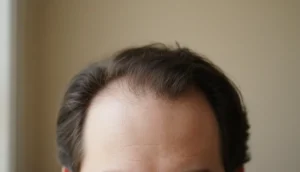
- Gradual thinning across the crown or frontal scalp.
- Increased hair breakage and brittleness.
- Scalp irritation or dandruff, often tied to inflammation.
- General fatigue, muscle cramps, and restless sleep—systemic symptoms that accompany low magnesium.
Research questions such as can low magnesium cause hair loss ve does magnesium deficiency cause hair loss are frequently raised in medical forums. While definitive causation is still under investigation, evidence suggests that correcting a deficiency may halt further shedding and support regrowth.
| Symptom | Potential Impact on Hair |
|---|---|
| Reduced blood flow | Less oxygen and nutrients reach follicles, leading to weaker hair shafts. |
| Elevated cortisol | Stress‑induced telogen shift, causing temporary shedding. |
| Inflammatory response | Follicle miniaturization and increased shedding. |
If you suspect a deficiency, a simple blood test can confirm magnesium status. Addressing low levels through diet—leafy greens, nuts, seeds, and whole grains—or targeted supplementation often yields noticeable improvements within a few months.
Magnesium Supplements and Forms for Hair Health
Choosing the right magnesium supplement can enhance absorption and maximize benefits for hair. Not all forms are created equal; some are better suited for supporting hair follicles, while others focus on overall wellness.
Popular magnesium variants include:
- Magnesium glycinate – Known for high bioavailability and gentle digestion; often cited in queries like “magnesium glycinate for hair growth.”
- Magnesium L‑threonate – Promoted for cognitive benefits, but emerging research explores its role in “magnesium l‑threonate hair loss” and scalp health.
- Magnesium oxide – Common and inexpensive, yet less absorbable, making it less ideal for hair‑specific goals.
- Magnesium oil (topical) – Applied directly to the scalp, this form is referenced in “magnesium oil for hair” and “magnesium oil hair regrowth” searches.
- Magnesium citrate – Versatile and well‑absorbed, useful for overall mineral balance.
When selecting a supplement, consider the following factors:
- Absorption rate – Forms like glycinate and citrate are generally better absorbed than oxide.
- Dosage – Follow recommended daily intakes; excessive magnesium can cause gastrointestinal upset.
- Additional ingredients – Some products combine magnesium with biotin or zinc, enhancing hair‑supportive effects.
Topical applications, such as magnesium spray for hair or magnesium oil hair loss treatments, aim to deliver the mineral directly to the scalp. While scientific data is limited, many users report improved scalp hydration and reduced itching, which can indirectly support healthier hair growth.
Before starting any supplement regimen, consult a healthcare professional, especially if you have kidney issues or are taking medications that interact with magnesium.
Lifestyle Factors and Complementary Approaches
Magnesium works best when integrated into a holistic hair‑care routine. Nutrition, stress management, and scalp hygiene all play pivotal roles in maintaining follicle vitality.
Key lifestyle strategies include:
- Eating a balanced diet rich in magnesium‑dense foods such as almonds, pumpkin seeds, spinach, and black beans.
- Practicing stress‑reduction techniques—meditation, yoga, or regular exercise—to keep cortisol levels in check.
- Maintaining scalp health with gentle cleansing and occasional use of magnesium oil benefits for skin to soothe irritation.
- Ensuring adequate hydration, as water assists in mineral transport throughout the body.
- Limiting exposure to harsh chemicals and heat styling, which can exacerbate follicular stress.
Combining oral supplementation with topical treatments, such as a magnesium spray for hair, can create a dual‑action approach: systemic support from within and localized nourishment on the scalp.
Additionally, other nutrients like iron, zinc, and biotin synergize with magnesium to promote robust hair growth. A well‑rounded supplement stack can address multiple pathways that lead to thinning.
When to Consider Professional Hair Restoration
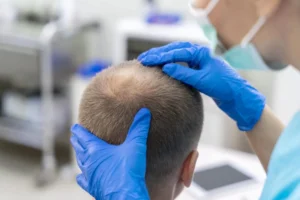
While magnesium can play a supportive role, it may not fully reverse advanced hair loss caused by genetics, hormonal changes, or scarring. In cases where thinning persists despite optimal nutrition and lifestyle adjustments, consulting a specialist becomes essential.
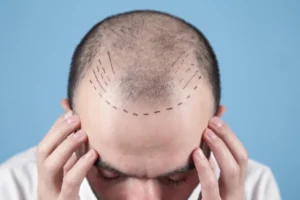
Professional options such as follicular unit extraction (FUE) or direct hair implantation (DHI) provide permanent, natural‑looking results. These techniques, offered by experienced clinics like Gold City Hair, are tailored to each patient’s pattern of loss and aesthetic goals.
Before deciding on a transplant, a thorough evaluation—including scalp analysis, blood work for nutrient levels (magnesium, iron, thyroid hormones), and discussion of medical history—ensures the chosen approach aligns with your unique needs.
Integrating magnesium supplementation with a surgical plan can improve post‑procedure recovery. Adequate magnesium supports wound healing, reduces inflammation, and may enhance graft survival, contributing to a smoother healing trajectory.
Why Choose Gold City Hair
Gold City Hair has been a trusted hair‑restoration center in Turkey since 2017, offering cutting‑edge FUE, DHI, and eyebrow/beard transplant techniques. Our team prioritizes personalized consultations, transparent communication, and a comfortable patient experience from start to finish. By combining advanced surgical expertise with holistic wellness advice—including nutrition and supplement guidance—we help clients achieve lasting confidence and natural results.
Ready to take the next step toward fuller, healthier hair? Contact Gold City Hair today to schedule a personalized assessment and discover how our expert team can support your journey.
SSS
Does magnesium help with hair loss?
Magnesium supports cellular processes that are essential for healthy hair follicles, but it is not a standalone cure.
Can low magnesium cause hair loss?
Low magnesium can contribute to hair thinning by increasing stress hormones and reducing scalp blood flow.
Is magnesium glycinate effective for hair growth?
Magnesium glycinate is highly bioavailable and is often recommended for supporting hair health.
How does magnesium oil work for the scalp?
Magnesium oil is a topical solution that delivers magnesium directly to the scalp, improving hydration and reducing irritation.
When should I consider professional hair restoration despite magnesium supplementation?
If hair thinning continues after 3‑6 months of optimal magnesium intake and lifestyle changes, a specialist consultation is advisable.