When you notice a bad receding hairline forming, it can feel like a sudden loss of confidence. This article explains why the hairline retreats, offers practical styling ideas, reviews non‑surgical treatments, and outlines when surgical restoration becomes the most effective option. According to recent dermatology surveys, nearly 40 % of men experience noticeable recession before age 30, making early awareness essential. By understanding the root causes and available solutions, you can take proactive steps to manage the appearance and health of your scalp.
We will start by exploring the biological and lifestyle factors that trigger a problematic hairline. Next, you’ll discover haircut and styling techniques that mask thinning zones without compromising personal style. Then, we’ll examine topical and device‑based treatments that can slow or partially reverse recession. Finally, we’ll discuss the role of modern hair transplant methods—particularly the FUE and DHI techniques offered by Gold City Hair—and how they can restore a natural‑looking hairline.
Whether you are looking for a quick cosmetic fix or a long‑term solution, the information below will help you make an informed decision that aligns with your confidence and aesthetic goals.
Understanding the Causes of a Bad Receding Hairline
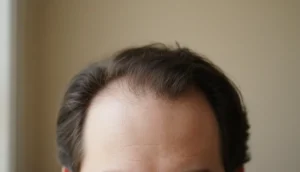
The first step in addressing a bad receding hairline is to recognize why it happens. While genetics play a dominant role, several other factors can accelerate the process.
Genetic Factors
Family history remains the strongest predictor. If your father or grandfather experienced early hairline recession, you are more likely to see a similar pattern. The androgen‑sensitive follicles in the frontal scalp are genetically predisposed to shrink, leading to thinner hairs over time.
Hormonal Influence
Dihydrotestosterone (DHT) is a derivative of testosterone that binds to hair‑follicle receptors, shortening the growth phase. Men with higher DHT levels often notice a receding hairline in their late teens or early twenties.
Lifestyle and Environmental Triggers
- Chronic stress that elevates cortisol, which can disrupt the hair growth cycle.
- Poor nutrition, especially deficiencies in iron, zinc, and biotin.
- Excessive heat styling or harsh chemical treatments that damage follicle health.
- Smoking, which reduces scalp circulation and oxygen delivery to hair roots.
Understanding these contributors helps you target the right interventions, whether they are lifestyle adjustments, medical therapies, or surgical options.
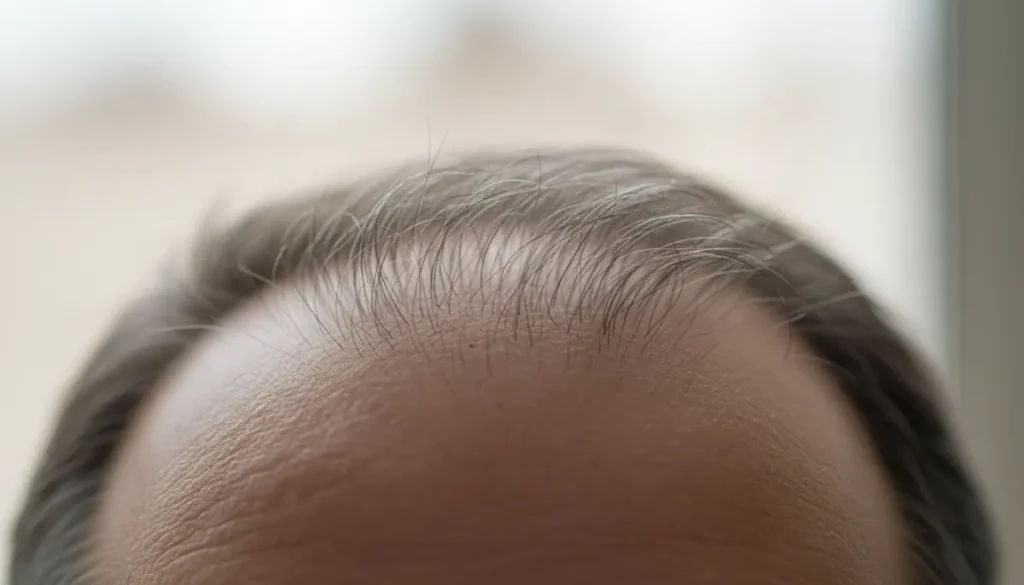
Styling Solutions: Haircuts and Hairstyles That Camouflage
While medical treatments address the underlying cause, a well‑chosen haircut can instantly improve the look of a bad receding hairline. The key is to create volume and draw attention away from the forehead.
Buzz Cut Options
A short buzz cut can reduce contrast between the thinning front and the rest of the scalp. Opt for a slightly longer length (2–4 mm) to keep a subtle shadow that softens the edge of the recession.
Layered and Textured Styles
Medium‑length layered cuts add movement and disguise uneven density. Texturizing spray or light pomade can lift hair at the crown, creating the illusion of a fuller top while the front remains discreetly blended.
| Style | Best For | Bakım |
|---|---|---|
| Short Buzz (2–4 mm) | Very early recession, low‑maintenance | Weekly trim |
| Textured Crop | Moderate recession, medium length | Styling product 2‑3×/week |
| Side‑Swept Fringe | Widow’s peak, longer hair | Regular trims, styling daily |
| Classic Undercut | Strong contrast between top and sides | Frequent trims, styling product |
Choosing a style that works with your facial features and hair texture can significantly reduce the visual impact of a receding line. Consulting a professional barber who understands hair‑loss‑friendly cuts will ensure the result looks natural.
Non‑Surgical Treatments to Slow Progression
When you prefer to avoid surgery, several non‑invasive methods can help stabilize a bad receding hairline and even encourage modest regrowth.
Topical Minoxidil
Minoxidil (2 % for women, 5 % for men) is an FDA‑approved vasodilator that prolongs the anagen (growth) phase. Consistent twice‑daily application can increase hair density in the frontal region after 3–6 months of use.
Low‑Level Laser Therapy (LLLT)
LLLT devices emit red light wavelengths that stimulate cellular metabolism in hair follicles. Clinical studies report a 15‑30 % improvement in hair density after 24 weeks of regular sessions.
Platelet‑Rich Plasma (PRP) Injections
PRP concentrates growth factors from your own blood and injects them into the scalp. While results vary, many patients notice thicker hair strands and reduced shedding after 3‑4 treatment cycles.
- Consult a dermatologist to verify suitability.
- Maintain a consistent treatment schedule for optimal results.
- Combine with lifestyle changes for synergistic effects.
These options are best suited for early‑stage recession where follicle miniaturization has not yet become irreversible. If the hairline continues to retreat despite diligent use, surgical restoration may be the next logical step.
When Surgical Restoration Becomes the Best Choice
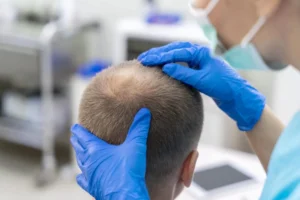
For many individuals, a bad receding hairline reaches a point where non‑surgical measures no longer provide satisfactory coverage. Modern hair transplant techniques offer permanent, natural‑looking results.
Foliküler Ünite Ekstraksiyonu (FUE)
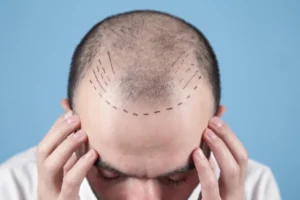
FUE removes individual follicular units from a donor area (usually the back of the head) and implants them into the thinning frontal zone. The procedure leaves tiny dot‑like scars that are virtually invisible when hair is kept short.
Direct Hair Implantation (DHI)
DHI builds on FUE by using a patented implanter pen that places grafts at the exact angle and depth required for a seamless hairline. This method reduces handling time and improves graft survival rates.
| Technique | Graft Survival Rate | Recovery Time | Ideal Candidate |
|---|---|---|---|
| FUE | ≈ 90 % | 7‑10 days | Moderate to advanced recession |
| DHI | ≈ 95 % | 5‑9 days | Precise hairline definition, high aesthetic demand |
Gold City Hair, based in Turkey, specializes in both FUE and DHI procedures. Their team follows a personalized protocol: a thorough scalp assessment, customized graft design, and post‑operative care that maximizes results while minimizing downtime.
Maintaining Confidence: Lifestyle and After‑Care Tips
Regardless of the treatment path you choose, daily habits play a crucial role in preserving the health of your new or existing hairline.
Saç Sağlığı için Beslenme
Protein‑rich foods, omega‑3 fatty acids, and vitamins A, C, D, and E support follicle vitality. Incorporate lean meats, fish, nuts, leafy greens, and berries into your meals.
Scalp Care Routine
- Gentle shampooing 2–3 times a week to avoid stripping natural oils.
- Scalp massage for 5 minutes daily to stimulate blood flow.
- Avoid tight hats or helmets that can cause traction alopecia.
Stress Management
Practices such as mindfulness meditation, regular exercise, and adequate sleep reduce cortisol spikes that can exacerbate hair loss.
By integrating these habits with your chosen treatment—whether a stylish haircut, topical therapy, or a full transplant—you reinforce the longevity of results and boost self‑esteem.
Why Choose Gold City Hair for Hair Restoration
Gold City Hair has been delivering aesthetic and cosmetic solutions since 2017, with a focus on personalized care and transparent communication. Their expert team specializes in FUE and DHI techniques, ensuring natural‑looking hairlines that blend seamlessly with existing hair. Located in Turkey, the clinic combines state‑of‑the‑art facilities with competitive pricing, making world‑class hair restoration accessible. Patients benefit from a comprehensive pre‑operative assessment, a customized treatment plan, and dedicated after‑care support that prioritizes comfort and optimal results.
Ready to transform a bad receding hairline into a confident new look? Contact Gold City Hair today to schedule your personalized consultation and discover the most effective path forward.
SSS
What causes a bad receding hairline?
Genetics, hormonal changes (especially DHT), stress, poor nutrition, harsh styling, and smoking are the main contributors.
Which hairstyles can hide a receding hairline?
Buzz cuts, textured crops, side‑swept fringes, and classic undercuts create volume and draw attention away from the forehead.
How effective is minoxidil for a receding hairline?
Minoxidil can increase frontal hair density after 3–6 months of twice‑daily use, but results vary by individual.
What is the difference between FUE and DHI hair transplant techniques?
FUE extracts individual grafts and implants them manually, while DHI uses a patented implanter pen for direct placement, improving angle control and graft survival.
Can low‑level laser therapy improve a receding hairline?
Yes, LLLT can boost hair density by 15‑30 % after about six months of regular sessions.
What after‑care steps help maintain a hair transplant result?
Follow a gentle scalp care routine, maintain proper nutrition, manage stress, and avoid tight headwear for optimal graft survival.