When you search for a dermatologist for hair growth, you’re looking for a medical professional who can diagnose the root cause of thinning hair and recommend evidence‑based solutions. Whether you’re dealing with early‑stage thinning or advanced alopecia, the right specialist can guide you through non‑surgical options and, when necessary, coordinate with hair‑restoration clinics for surgical care. In fact, studies show that up to 40 % of men and 30 % of women experience noticeable hair loss by age 35, making early intervention crucial for the best outcomes.
This article explains the role of dermatologists in hair restoration, outlines what to expect during a consultation, reviews the most effective non‑surgical treatments, and clarifies how surgical options fit into the overall care plan. By understanding each step, you can make an informed decision and set realistic expectations for regaining confidence through healthier hair.
We’ll also highlight why Gold City Saç stands out as a trusted partner for those who eventually need advanced transplant techniques such as FUE or DHI, ensuring a seamless transition from medical therapy to aesthetic restoration.
Understanding Hair Loss and When to See a Dermatologist
Hair loss can stem from a variety of factors, and distinguishing between temporary shedding and permanent loss is essential. A qualified dermatologist evaluates your condition through a comprehensive assessment, helping you avoid unnecessary treatments and focus on strategies that truly work.
Saç Dökülmesinin Yaygın Nedenleri
- Genetic predisposition (androgenetic alopecia)
- Hormonal imbalances, including thyroid disorders
- Autoimmune conditions such as alopecia areata
- Stress‑related telogen effluvium
- Nutritional deficiencies (iron, vitamin D, zinc)
- Medications and medical treatments (e.g., chemotherapy)
Signs You Need Professional Help
While occasional shedding is normal, look for these warning signs that warrant a dermatologist’s expertise:
- Sudden, patchy bald spots
- Progressive thinning along the crown or frontal hairline
- Persistent scalp itching or redness
- Hair that breaks easily or appears brittle
- Family history of early‑onset baldness
Early evaluation allows the dermatologist to pinpoint the underlying cause—whether it’s hair thinning due to hormonal shifts or an autoimmune process—so that targeted treatment can begin promptly.
What to Expect During a Dermatology Consultation for Hair Growth
A typical appointment with a dermatologist for hair growth involves several key steps designed to build a clear picture of your scalp health and guide treatment planning.
Medical History Review
The doctor will ask detailed questions about family history, lifestyle, diet, stress levels, and any medications you’re taking. This information helps identify systemic factors that may be contributing to hair loss.
Scalp Examination
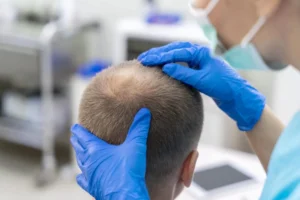
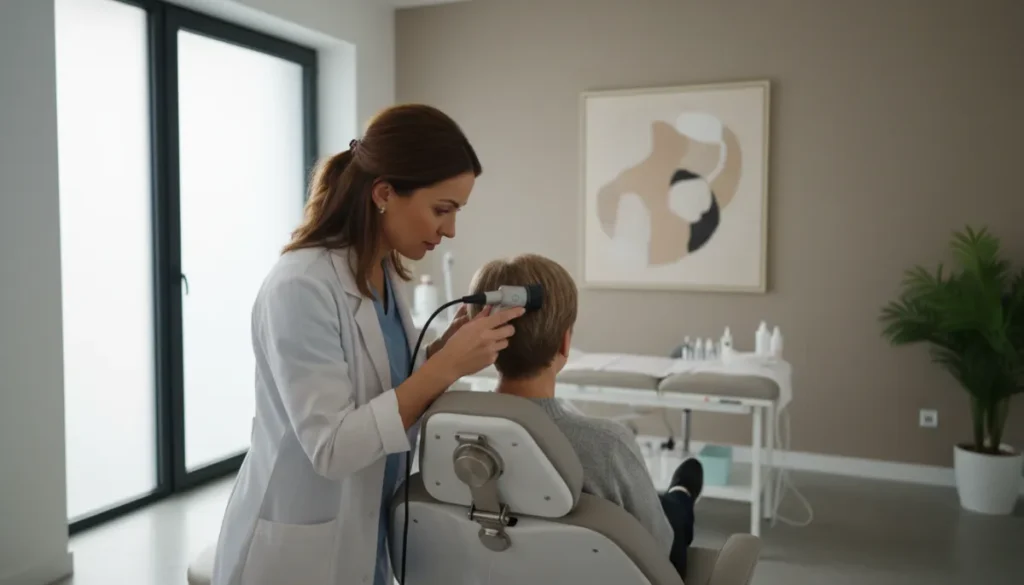
Using a dermatoscope, the dermatologist examines hair follicles, skin texture, and signs of inflammation. This visual assessment can differentiate between scarring alopecia and non‑scarring forms.
Diagnostic Tests
When needed, additional tests provide deeper insight:
| Test | Purpose | Typical Findings |
|---|---|---|
| Blood Panel | Check hormone levels, iron, thyroid function | Low ferritin, abnormal TSH, elevated DHT |
| Scalp Biopsy | Identify inflammatory or scarring patterns | Presence of lymphocytic infiltrate |
| Trichoscopy | High‑resolution imaging of follicles | Miniaturized hairs, yellow dots |
These diagnostics enable the dermatologist to tailor a personalized treatment plan, whether it involves topical therapy, oral medication, or referral for surgical options.
Top Non‑Surgical Treatments Recommended by Dermatologists
Most patients achieve noticeable improvement with non‑surgical interventions, especially when treatment begins early. Below are the most commonly prescribed options that a dermatologist for hair growth may suggest.
Topical Solutions
- Minoxidil (2% for women, 5% for men) – stimulates follicle activity.
- Prescription‑strength corticosteroid creams – reduce inflammation in alopecia areata.
- Ketoconazole shampoo – addresses fungal scalp conditions that can exacerbate thinning.
Oral Medications
- Finasteride – blocks DHT conversion, effective for male pattern baldness.
- Spironolactone – anti‑androgen therapy often used for female hair loss.
- Oral biotin and multivitamin complexes – support overall hair health when deficiencies exist.
Platelet‑Rich Plasma (PRP) Therapy
PRP involves drawing a small amount of your blood, concentrating platelets, and injecting them into the scalp to promote follicular regeneration. Clinical studies report a 30‑45 % increase in hair density after a series of three sessions.
Choosing the right combination depends on the diagnosis, severity, and patient preference. Your dermatologist will discuss potential side effects, expected timelines, and the likelihood of synergistic results when treatments are combined.
When Surgical Options Become Necessary: Connecting Dermatology with Hair Transplant
For individuals with extensive follicular loss, non‑surgical methods may only slow progression. In such cases, a dermatologist often collaborates with a specialized hair‑restoration clinic to plan surgical intervention.
Criteria for Surgery
- Stable hair loss pattern for at least 12 months
- Insufficient donor area for effective grafting
- Failure to respond to medical therapy after 6–12 months
- Patient’s overall health permits minor surgery
How Dermatologists Coordinate with Transplant Clinics
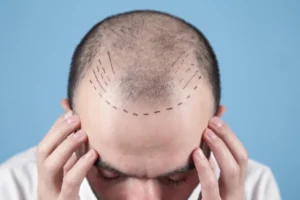
After confirming the diagnosis, the dermatologist provides a detailed report—including scalp photographs, trichoscopic images, and test results—to the transplant team. This ensures that the surgeon selects the optimal technique (FUE or DHI) and harvests grafts from the healthiest donor zones.
| Technique | Temel Özellikler | Ideal Candidates |
|---|---|---|
| FUE (Follicular Unit Extraction) | Individual follicle extraction, minimal scarring | Patients seeking natural density, moderate donor hair |
| DHI (Doğrudan Saç İmplantasyonu) | Implantation without prior channel creation, higher graft survival | Those desiring faster recovery and precise placement |
By integrating dermatological expertise with advanced transplant methods, patients receive a comprehensive care pathway that maximizes both medical and aesthetic outcomes.
Maintaining Results and Ongoing Care After Hair Growth Treatment
Whether you’ve pursued topical therapy, PRP, or a full transplant, long‑term success hinges on consistent after‑care and lifestyle adjustments.
Lifestyle Tips for Sustained Hair Health
- Adopt a balanced diet rich in protein, omega‑3 fatty acids, and antioxidants.
- Manage stress through regular exercise, meditation, or counseling.
- Avoid harsh hairstyles that pull on the roots (tight ponytails, braids).
- Limit exposure to excessive heat and chemical treatments.
Follow‑Up Visits
Regular check‑ins with your dermatologist allow monitoring of treatment efficacy and early detection of any side effects. Typical schedules include:
- Every 3 months during the first year of medical therapy.
- Bi‑annual visits after successful transplant to assess graft survival.
When to Seek Further Help
If you notice new areas of thinning, increased shedding, or scalp irritation, contact your dermatologist promptly. Early adjustments—such as switching medications or adding supplemental therapies—can preserve progress and prevent relapse.
Why Choose Gold City Hair for Your Hair Restoration Journey
At Gold City Saç, we combine cutting‑edge transplant techniques such as FUE and DHI with a patient‑centered approach that begins with thorough dermatological evaluation. Since 2017, our experienced team has delivered personalized treatment plans, transparent communication, and consistent follow‑up care, ensuring each client achieves natural, lasting results. Whether you start with medical therapy or move directly to a transplant, our integrated services streamline the process and give you confidence every step of the way.
Ready to take the first step toward fuller, healthier hair? Contact Gold City Hair today to schedule your comprehensive dermatology assessment and explore the best treatment path for you.
SSS
What does a dermatologist look for during a hair loss consultation?
The dermatologist reviews medical history, examines the scalp with a dermatoscope, and may order blood tests, scalp biopsy, or trichoscopy.
Which non‑surgical treatments are most effective for hair growth?
Topical minoxidil, prescription corticosteroids, ketoconazole shampoo, oral finasteride, spironolactone, and PRP therapy are the most commonly effective options.
How does PRP therapy work for hair restoration?
PRP therapy concentrates a patient’s own platelets and injects them into the scalp to stimulate follicle regeneration and increase hair density.
When should I consider surgical hair transplant options?
Surgery is considered when hair loss is stable for at least a year, medical treatments have failed, and there is insufficient donor hair for grafting.
How can I maintain hair growth results after treatment?
Maintain results with a balanced diet, stress management, gentle hair care, regular follow‑up visits, and prompt attention to any new thinning.