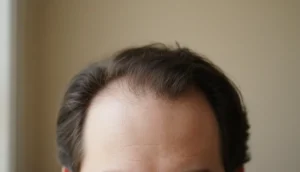
Many women wonder do steroids cause hair loss in females and seek clear answers before starting any medication. Steroids are prescribed for a wide range of health issues, from inflammatory conditions to muscle‑building goals, but their impact on the scalp is often misunderstood. This article explains the science behind steroid‑related hair loss, how to recognize the signs, and what steps you can take to protect your hair while still receiving necessary treatment.
Hair loss affects up to 40 % of women at some point in their lives, and hormonal fluctuations are a leading cause. When steroids enter the equation, they can amplify these hormonal shifts, potentially accelerating thinning or shedding. By the end of this guide, you’ll know whether do steroids cause hair loss in females applies to your situation and how to address it effectively.
We’ll explore the different types of steroids, the biological pathways that lead to hair loss, practical ways to identify steroid‑induced shedding, and the options available if you need professional restoration. Let’s dive in.
Understanding Steroid Use and Hair Health
Not all steroids act the same way on the body or the scalp. Broadly, they fall into two categories: anabolic steroids ve corticosteroids. Both can influence hair growth, but through distinct mechanisms.
Types of Steroids
- Anabolic steroids – synthetic derivatives of testosterone, often used to increase muscle mass.
- Kortikosteroidler – anti‑inflammatory agents prescribed for asthma, arthritis, skin disorders, and more.
Below is a comparison of their typical effects on hair:
| Aspect | Anabolic Steroids | Kortikosteroidler |
|---|---|---|
| Primary Action | Increase androgen levels | Suppress immune response |
| Hair Impact | Can accelerate androgenetic alopecia | May cause telogen effluvium with high doses |
| Common Uses | Performance enhancement, hormone therapy | Asthma, eczema, rheumatoid arthritis |
| Typical Duration | Weeks to months (often cyclic) | Days to years, depending on condition |
Understanding these differences is essential because the answer to do steroids cause hair loss in females often depends on which class you’re using, the dosage, and your individual hormonal profile.

How Steroids Contribute to Hair Loss in Women
When women take steroids, several biological pathways can lead to hair thinning or shedding. The most common mechanisms include hormonal imbalance, direct follicle toxicity, and scalp inflammation.
Hormonal Imbalance
Both anabolic and corticosteroid use can elevate circulating androgen levels. In women, excess androgens trigger the miniaturization of hair follicles, a hallmark of female pattern hair loss. This process is gradual, often unnoticed until significant thinning occurs.
Follicle Toxicity
High‑dose corticosteroids may push a larger proportion of hair follicles into the telogen (resting) phase, resulting in telogen effluvium—a rapid shedding that typically appears two to three months after exposure.
Scalp Inflammation
Some steroid formulations, especially topical applications, can irritate the scalp, causing localized inflammation that weakens hair shafts and accelerates breakage.
Collectively, these factors answer the central question: yes, steroids can cause hair loss in females, but the risk varies based on type, dose, and individual susceptibility.
- Higher androgenic activity → accelerated pattern thinning.
- Sudden dosage changes → telogen effluvium spikes.
- Prolonged topical use → scalp irritation and breakage.
Identifying Steroid‑Induced Hair Loss
Distinguishing steroid‑related shedding from other forms of hair loss is crucial for effective treatment. Key indicators include timing, pattern, and accompanying symptoms.
Typical Signs
- Sudden increase in hair shedding on the pillow or in the shower.
- Diffuse thinning rather than a well‑defined receding hairline.
- History of recent steroid initiation, dosage escalation, or tapering.
- Absence of family history of androgenetic alopecia may suggest a drug‑induced cause.
The table below contrasts steroid‑induced hair loss with other common female hair‑loss conditions:
| Feature | Steroid‑Induced | Female Pattern Hair Loss | Telogen Effluvium (Non‑steroid) |
|---|---|---|---|
| Onset | 2‑3 months after steroid change | Gradual over years | 1‑3 months after stress/illness |
| Pattern | Diffuse shedding | Thinning at crown, frontal hairline | Uniform shedding across scalp |
| Hair Shaft | Normal thickness, increased shedding | Miniaturized, finer hairs | Normal thickness, increased shedding |
| Associated Symptoms | Possible skin irritation, hormonal side effects | Family history, hormonal changes | Recent illness, major life event |
If you notice these patterns and have been using steroids, it’s reasonable to ask whether do steroids cause hair loss in females applies to you. Consulting a dermatologist or a hair‑restoration specialist can provide a definitive diagnosis.
Managing and Preventing Hair Loss While Using Steroids
If steroids are medically necessary, you don’t have to accept hair loss as inevitable. Several strategies can mitigate the risk while maintaining therapeutic benefits.
Medical Strategies
- Dose Optimization – Work with your physician to use the lowest effective dose and consider intermittent dosing schedules.
- Switching Formulations – For anabolic steroids, alternatives with lower androgenic activity may reduce follicle miniaturization.
- Adjunctive Medications – Anti‑androgens such as spironolactone or topical minoxidil can counteract androgenic effects.
Lifestyle and Nutritional Support
- Maintain a protein‑rich diet to support keratin production.
- Include omega‑3 fatty acids and antioxidants to reduce scalp inflammation.
- Avoid harsh hair treatments (bleaching, tight hairstyles) that exacerbate shedding.
Regular monitoring of hair density, either through photographic tracking or scalp analysis, helps you and your clinician adjust the plan before significant loss occurs.
In summary, while the simple answer to do steroids cause hair loss in females is often “yes,” proactive management can keep the impact minimal.
When to Consider Professional Hair Restoration
Even with diligent prevention, some women may experience persistent thinning after steroid therapy. At this stage, professional restoration can restore confidence and density.
Available Options
- Foliküler Ünite Ekstraksiyonu (FUE) – Individual follicles are harvested and transplanted, offering natural‑looking results.
- Direct Hair Implantation (DHI) – A refined FUE technique using a patented pen for precise placement.
- Platelet‑Rich Plasma (PRP) – Non‑surgical injection of growth factors to stimulate dormant follicles.
- Scalp Micropigmentation – Cosmetic tattooing that creates the illusion of fuller hair.
Below is a quick comparison of these methods:
| Method | Invasiveness | Recovery Time | Typical Results |
|---|---|---|---|
| FUE | Minimal invaziv | 7‑10 days | Permanent, natural density |
| DHI | Minimal invaziv | 5‑7 days | Higher graft survival, precise angle |
| PRP | Non‑surgical | Same day | Improves existing hair, modest regrowth |
| Scalp Micropigmentation | Non‑surgical | 1‑2 sessions | Cosmetic density illusion |
Choosing the right solution depends on the extent of loss, donor hair availability, and personal goals. A consultation with a certified hair‑restoration clinic can tailor a plan that aligns with your lifestyle and expectations.
Why Choose Gold City Hair for Your Hair Restoration Needs
Gold City Hair has been delivering personalized hair‑restoration solutions in Turkey since 2017. Our team combines expertise in FUE, DHI, and advanced eyebrow and beard transplants with a transparent, patient‑first approach. We understand the emotional impact of hair loss, especially when linked to medical treatments like steroids, and we tailor each plan to restore confidence safely and effectively.
Choosing Gold City Hair means accessing world‑class facilities, experienced surgeons, and a commitment to ongoing support throughout your journey—from initial assessment to post‑procedure care.
Ready to take control of your hair health? Contact Gold City Hair today for a personalized consultation and discover how our expert team can help you regain a fuller, natural look.
Take the first step toward confidence—schedule your appointment now.
SSS
Can steroids cause hair loss in women?
Yes, certain steroids can lead to hair thinning or shedding in females.
What is the difference between anabolic steroids and corticosteroids regarding hair loss?
Anabolic steroids raise androgen levels; corticosteroids suppress immunity and can trigger telogen effluvium.
How can I tell if my hair loss is steroid‑induced?
Look for sudden diffuse shedding after starting or changing steroid dosage.
What treatments can reduce steroid‑related hair loss?
Dose optimization, anti‑androgens, minoxidil, and supportive nutrition can help.
When should I consider professional hair restoration?
If hair loss persists despite medical management, consult a specialist for restoration options.