When you ask does hair replacement surgery work, the answer hinges on the technique used, the surgeon’s expertise, and individual patient factors. Hair replacement surgery, often referred to as a hair transplant, has become a leading solution for permanent hair restoration, offering a realistic alternative to temporary hair growth products.
In recent years, the demand for permanent solutions has surged, with thousands of men and women seeking a permanent fix for thinning hair and bald spots. According to industry reports, over 80% of patients report satisfactory results after undergoing a modern hair transplant procedure.
This article breaks down how hair replacement surgery works, examines success rates, compares it with other hair loss treatments, and outlines what you can expect during recovery and long‑term maintenance. Whether you are considering a procedure for the first time or simply curious about its effectiveness, the information below will help you make an informed decision.
How Hair Replacement Surgery Works: Techniques and Process
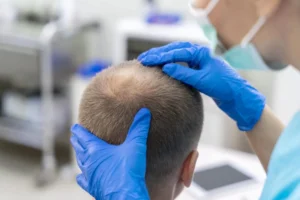
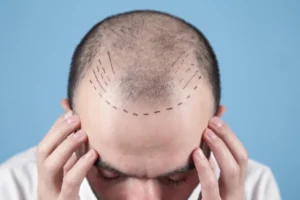
Modern hair replacement surgery relies on two primary techniques: Foliküler Ünite Ekstraksiyonu (FUE) and Direct Hair Implantation (DHI). Both methods involve extracting healthy hair follicles from a donor area—typically the back or sides of the scalp—and transplanting them into thinning or balding zones.
During an FUE procedure, a micro‑punch tool removes individual follicular units, which are then meticulously placed into pre‑made incisions. DHI, on the other hand, uses a specialized implanter pen that allows the surgeon to insert follicles directly without creating prior incisions, reducing handling time and potentially improving graft survival.
Key steps in the process include:
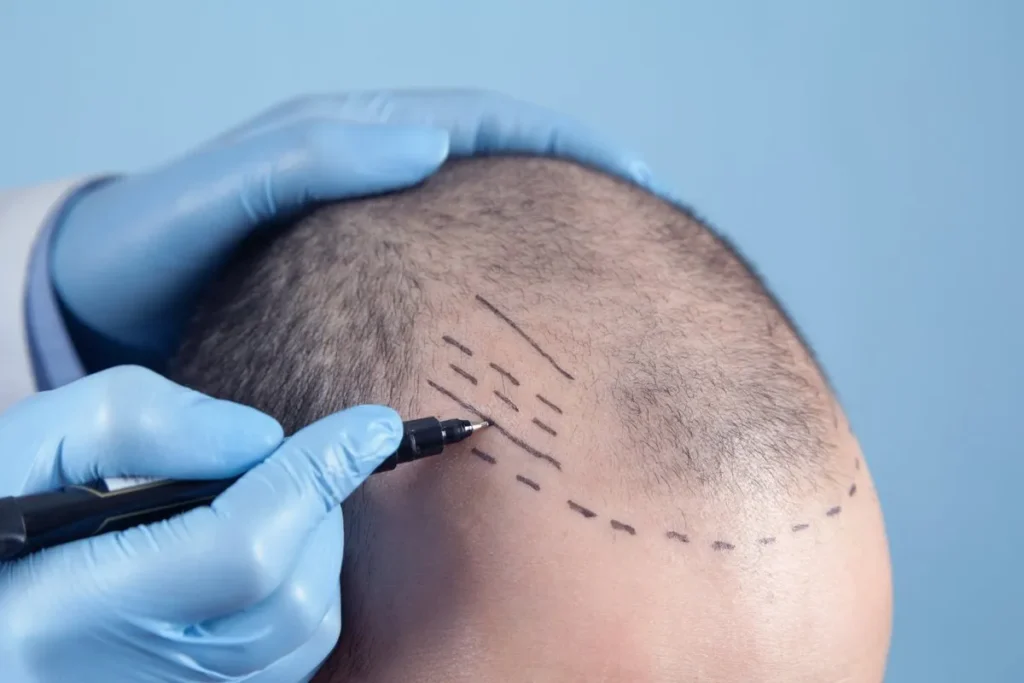
- Comprehensive scalp assessment and mapping.
- Selection of the appropriate technique (FUE or DHI) based on hair density and patient goals.
- Local anesthesia to ensure a pain‑free experience.
- Extraction of donor grafts, preservation in a nutrient solution, and careful implantation.
- Post‑procedure care instructions to promote optimal graft uptake.
Both techniques aim to achieve a natural hairline and seamless integration with existing hair. The choice between FUE and DHI often depends on the surgeon’s recommendation and the patient’s specific needs.
Success Rates and Factors Influencing Outcomes
Understanding does hair replacement surgery work also means looking at the success rates reported by reputable clinics. Overall, graft survival rates exceed 90% when performed by experienced surgeons using FUE or DHI techniques.
Several factors affect the final outcome:
| Factor | Impact on Success |
|---|---|
| Surgeon Experience | Higher skill level leads to better graft placement and survival. |
| Donor Hair Quality | Thicker, healthy donor hair yields more robust results. |
| Patient Age | Younger patients often have more active hair growth cycles. |
| Post‑Operative Care | Adherence to aftercare instructions reduces risk of infection and improves graft uptake. |
| Hair Loss Progression | Ongoing loss may require future touch‑ups to maintain density. |
Patients who follow prescribed aftercare—such as avoiding direct sunlight, refraining from strenuous activity for the first week, and using gentle shampoos—typically see the most natural and lasting results. Long‑term studies indicate that transplanted hair continues to grow for a lifetime, mirroring the characteristics of the donor area.
Comparing Hair Replacement to Other Hair Growth Products
Many wonder whether surgical options outperform non‑surgical hair growth products. While topical solutions, oral medications, and supplements can slow hair loss, they rarely restore full density in advanced balding areas.
Below is a comparison of hair replacement surgery with popular non‑surgical alternatives:
| Treatment | Mechanism | Typical Results | Duration of Effect |
|---|---|---|---|
| Hair Replacement Surgery (FUE/DHI) | Transplantation of live follicles | Permanent, natural‑looking density | Lifetime (with proper care) |
| Minoxidil (Topical) | Vasodilation, stimulates follicles | Modest regrowth, mainly slows loss | Requires continuous use |
| Finasteride (Oral) | DHT inhibition | Stabilizes loss, some regrowth | Continuous prescription needed |
| Hair Growth Supplements | Vitamins & minerals support health | Variable, often minimal impact | Ongoing supplementation |
While products like finasteride and minoxidil are valuable for early‑stage thinning, they do not replace the permanent results achieved through a well‑executed hair transplant. For individuals asking does hair replacement surgery work after trying multiple products without success, surgery often provides the definitive answer.
Recovery, Aftercare, and Long‑Term Results
Post‑procedure recovery is a critical component of the overall success of hair replacement surgery. Most patients experience mild redness and scabbing in the donor and recipient areas, which typically resolves within 10‑14 days.
Key aftercare steps include:
- Keeping the scalp clean with a gentle, prescribed shampoo.
- Avoiding direct sun exposure and wearing a loose hat for the first two weeks.
- Refraining from heavy exercise or weight lifting for at least one week.
- Following a balanced diet rich in protein, iron, and vitamins to support hair growth.
- Attending scheduled follow‑up appointments to monitor graft survival.
Patients typically notice initial hair shedding (known as “shock loss”) around three weeks post‑surgery. New hair growth usually begins at the three‑month mark, with full maturation occurring between 12‑18 months. Consistent results over this period reinforce the answer to does hair replacement surgery work—the majority of patients achieve a natural, lasting hairline.
Cost Considerations and Value Assessment
Cost is often a primary concern when evaluating whether hair replacement surgery works for you. Prices vary based on the number of grafts, technique (FUE vs. DHI), and the clinic’s reputation. In Turkey, where Gold City Hair operates, the average cost per graft ranges from $1.50 to $3.00, making it a cost‑effective option compared to many Western markets.
When assessing value, consider the following factors:
- Long‑Term Savings: Unlike ongoing medication expenses, a one‑time surgery provides permanent results.
- Quality of Care: Clinics with experienced surgeons and state‑of‑the‑art facilities reduce the risk of complications.
- Travel and Accommodation: Many patients combine treatment with a short stay, optimizing overall cost.
- Post‑Operative Support: Comprehensive aftercare packages add value and improve outcomes.
While the upfront investment may appear higher than over‑the‑counter products, the durability of results and boost in confidence often justify the expense. For those asking does hair replacement surgery work in a cost‑benefit context, the answer leans strongly toward a worthwhile, lasting solution.
Why Choose Gold City Hair
Gold City Hair has been delivering personalized hair restoration solutions since 2017. Our clinic specializes in FUE and DHI techniques, ensuring high graft survival and natural‑looking results. With a transparent communication approach, each patient receives a tailored treatment plan and comprehensive aftercare support. Choosing Gold City Hair means trusting a dedicated team committed to restoring your confidence through safe, effective hair replacement surgery.
Ready to take the next step toward a fuller, natural‑looking hairline? Contact Gold City Hair today to schedule your personalized consultation and discover how our expert team can help you achieve lasting results.
SSS
Does hair replacement surgery work?
Yes, modern hair transplants using FUE or DHI achieve graft survival rates above 90% when performed by experienced surgeons.
What are the main techniques used in hair replacement surgery?
The two primary methods are Follicular Unit Extraction (FUE) and Direct Hair Implantation (DHI).
What is the success rate of hair transplants?
Graft survival rates typically exceed 90% with experienced surgeons.
How does hair replacement surgery compare to minoxidil or finasteride?
Surgery provides permanent, natural‑looking density, while medications only slow loss or offer modest regrowth.
What is the typical recovery time after a hair transplant?
Most mild redness and scabbing resolve within 10‑14 days; new growth appears around three months.
How much does a hair transplant cost and is it worth it?
Costs range from $1.50 to $3.00 per graft in Turkey, making it cost‑effective compared to lifelong medication expenses.