When you ask yourself does hair transplant surgery work, the answer depends on a blend of science, technique, and individual factors. This article breaks down the procedure, examines success rates, compares popular methods, and clarifies common concerns so you can decide if a hair restoration journey is right for you. According to the International Society of Hair Restoration Surgery, over 600,000 transplants are performed worldwide each year, highlighting the growing demand for reliable solutions.
We’ll explore how the surgery is performed, what outcomes you can realistically expect, and why choosing the right clinic matters. By the end, you’ll have a clear picture of the effectiveness of modern hair transplant techniques and the steps you can take to maximize your results.
Whether you’re dealing with male pattern baldness, thinning due to stress, or a receding hairline, understanding the mechanics and success factors will empower you to make an informed decision.
Understanding How Hair Transplant Surgery Works
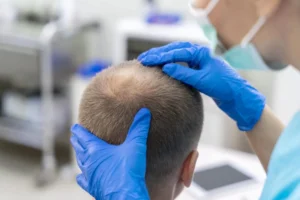
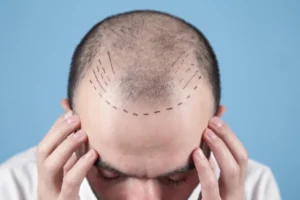
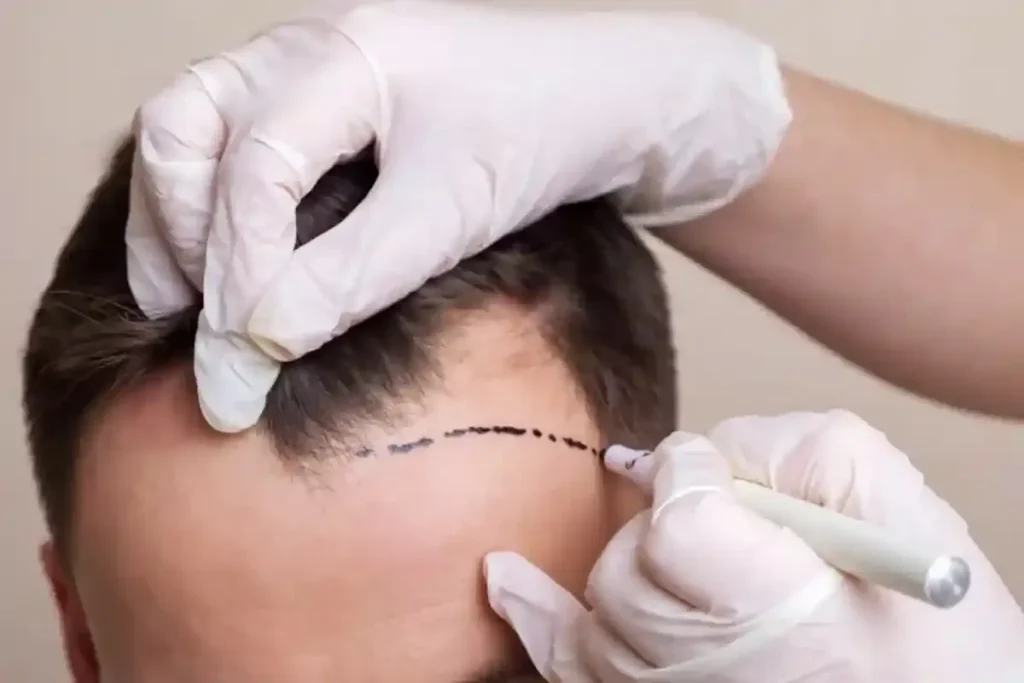
Hair transplant surgery involves relocating healthy hair follicles from a donor area—typically the back or sides of the scalp—to balding or thinning zones. The process begins with a thorough consultation to assess hair loss patterns, scalp laxity, and donor hair quality. Once a plan is set, the surgeon extracts grafts using one of several techniques, then implants them with precision.
The most common steps include:
- Assessment and Planning: Mapping the donor and recipient zones to ensure natural density.
- Anesthesia: Local anesthesia keeps the patient comfortable throughout the procedure.
- Graft Extraction: Using either Foliküler Ünite Ekstraksiyonu (FUE) or Direct Hair Implantation (DHI), individual follicular units are harvested.
- Graft Preparation: Extracted follicles are trimmed and sorted by size.
- Implantation: Tiny incisions are made in the recipient area, and grafts are placed at the correct angle and depth.
- Post‑operative Care: Instructions for washing, medication, and activity restrictions to promote healing.
The meticulous nature of each step directly influences whether does hair transplant surgery work yields satisfactory results. Skilled surgeons who tailor the approach to each patient’s anatomy typically achieve higher graft survival rates.
Success Rates and Factors That Influence Outcomes
Modern hair transplant surgery boasts impressive success metrics, but results can vary. Studies report graft survival rates between 85% and 95% when performed by experienced professionals. However, the ultimate effectiveness—whether does hair transplant surgery work for you—depends on several variables.
| Factor | Impact on Success |
|---|---|
| Age of Patient | Younger patients may experience ongoing hair loss, requiring future procedures. |
| Donor Hair Quality | Thicker, robust follicles increase graft survival. |
| Technique Used | FUE and DHI often yield higher density with minimal scarring. |
| Post‑Operative Care | Adhering to medication and hygiene protocols supports healing. |
| Underlying Condition | Conditions like alopecia areata may limit long‑term results. |
Patients who maintain a healthy lifestyle, avoid smoking, and follow post‑surgery instructions typically see the best outcomes. Moreover, realistic expectations—understanding that transplanted hair grows gradually over 9‑12 months—are crucial for satisfaction.
Comparing Popular Techniques: FUE, DHI, and Hairline Transplant
Choosing the right method is a pivotal part of answering does hair transplant surgery work for your specific case. Below is a concise comparison of the three most widely used techniques.
- Follicular Unit Extraction (FUE): Individual follicles are removed with a tiny punch tool, leaving minimal scarring. Ideal for patients who prefer a faster recovery.
- Direct Hair Implantation (DHI): Similar extraction to FUE, but grafts are loaded into a specialized implanter, allowing precise placement without creating pre‑made incisions.
- Hairline Transplant: Focuses on reconstructing a natural hairline using finer grafts, often combined with FUE or DHI for optimal aesthetic results.
Key considerations when selecting a technique include:
- Desired density and coverage area.
- Scarring tolerance—FUE and DHI leave virtually invisible marks.
- Budget—DHI may carry a premium due to specialized equipment.
- Surgeon’s expertise—experience with each method influences graft survival.
For most patients, both FUE and DHI provide reliable outcomes, while a dedicated hairline transplant can refine the frontal aesthetic, especially for those seeking a subtle, youthful appearance.
Common Concerns: Pain, Recovery Time, and Scarring
Potential patients often wonder does hair transplant surgery work without causing significant discomfort or visible scars. Modern practices have minimized these concerns, but understanding the recovery process helps set realistic expectations.
Pain Management: Local anesthesia ensures the procedure is virtually pain‑free. Post‑operative discomfort is usually mild and manageable with prescribed pain relievers for a few days.
Recovery Timeline:
- Day 1‑3: Minor swelling and redness; gentle washing advised.
- Week 1‑2: Scabs form around grafts and naturally fall off.
- Month 1‑3: New hair shafts emerge; shedding of transplanted hairs is normal.
- Month 4‑12: Progressive hair growth leading to full density.
Scarring: FUE and DHI leave tiny dot‑like scars that are virtually invisible, even with short haircuts. Traditional strip methods can produce a linear scar, but they are less common in Turkey’s leading clinics.
Adhering to post‑operative care—avoiding direct sun exposure, refraining from strenuous activities, and following cleaning instructions—optimizes healing and reduces the risk of noticeable scarring.
Cost Considerations and Value Assessment
Financial planning is essential when evaluating does hair transplant surgery work for you. Prices vary based on technique, clinic reputation, and the number of grafts required. Below is a typical price range for hair restoration in Turkey.
| Technique | Average Cost per Graft (USD) | Typical Total Cost (USD) |
|---|---|---|
| FUE | $1.50 – $2.20 | $3,000 – $7,500 (2,000–3,500 grafts) |
| DHI | $2.00 – $2.80 | $4,000 – $9,000 (2,000–3,200 grafts) |
| Hairline Transplant (FUE/DHI) | $2.00 – $2.50 | $2,500 – $5,500 (1,200–2,200 grafts) |
While cost is a factor, value should be measured by the longevity of results, the expertise of the surgical team, and the level of after‑care support. Clinics that provide transparent pricing, comprehensive pre‑operative assessments, and personalized follow‑up typically deliver higher satisfaction.
Why Choose Gold City Hair
At Gold City Saç, we combine cutting‑edge techniques like FUE and DHI with a personalized approach that prioritizes transparent communication and patient comfort. Since 2017, our team has restored confidence for thousands of clients, delivering natural‑looking results with minimal downtime. Our clinic in Turkey adheres to international safety standards, offering comprehensive pre‑operative assessments and dedicated post‑operative support to ensure each graft thrives.
Ready to discover if hair transplant surgery can change your life? Contact Gold City Hair today for a free, no‑obligation consultation and take the first step toward a fuller, more confident you.
SSS
Does hair transplant surgery work?
Yes, when performed by an experienced surgeon using modern techniques, hair transplants can provide lasting, natural‑looking results.
What is the success rate of hair transplant procedures?
Modern hair transplants report graft survival rates between 85% and 95% when performed by qualified professionals.
How do FUE and DHI techniques differ?
FUE extracts follicles with a micro‑punch, while DHI uses an implanter to place grafts directly without pre‑made incisions.
What is the typical recovery time after a hair transplant?
Most patients resume normal activities within a week, with full hair growth visible after 9‑12 months.
Will I have visible scarring after a hair transplant?
FUE and DHI leave tiny dot‑like scars that are virtually invisible, especially with short haircuts.
How much does a hair transplant cost in Turkey?
Prices range from $1.50 to $2.80 per graft, resulting in total costs of $2,500‑$9,000 depending on technique and graft count.