Bu signs of balding at 18 often catch young men and women off guard, but recognizing them early can make a huge difference in treatment outcomes. Hair loss at this age is not just a cosmetic concern; it can affect confidence, social interactions, and mental well‑being. Recent studies show that up to 25% of males begin experiencing noticeable thinning before their twenties, highlighting the importance of early detection.
In this article we will explore the most common visual cues, the underlying medical reasons, and the steps you can take to halt or reverse the process. Whether you’re noticing a receding hairline, subtle thinning, or a sudden increase in shedding, understanding what you’re seeing is the first step toward a proactive solution.
We’ll also discuss when professional evaluation becomes essential, the diagnostic tools clinicians use, and the preventive measures that can keep your hair healthier for years to come. By the end of this guide, you’ll have a clear roadmap for addressing hair loss before it becomes more severe.
Understanding Hair Loss in Young Adults

Hair loss in teenagers and young adults can stem from several distinct conditions, each with its own pattern and progression. The most prevalent type is androgenetic alopecia, commonly known as male or female pattern baldness, which is driven by genetic sensitivity to dihydrotestosterone (DHT). Another frequent culprit is alopecia areata, an autoimmune disorder that causes patchy hair loss. Less common, but still noteworthy, is traksiyon alopesi, resulting from tight hairstyles that pull on the scalp.
- Androgenetik Alopesi – gradual thinning, usually starting at the temples or crown.
- Alopesi Areata – sudden, round patches of hair loss.
- Traction Alopecia – hair loss caused by constant tension from hairstyles.
- Telogen Effluvium – diffuse shedding after stress, illness, or hormonal changes.
Understanding which type you may be experiencing helps guide appropriate treatment. While some forms, like telogen effluvium, often resolve on their own, others, such as androgenetic alopecia, benefit from early medical intervention to preserve existing follicles.
Recognizing the Physical Signs
Spotting the signs of balding at 18 early can be as simple as paying attention to subtle changes in your daily grooming routine. Below are the most common visual indicators:
Hairline Changes
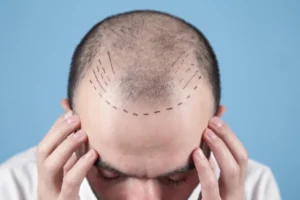
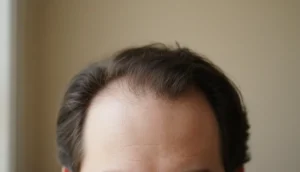
A receding hairline often begins at the temples, forming an “M” shape in men. In women, the frontal hairline may thin uniformly, creating a broader forehead appearance.
Thinning Scalp Areas
Look for patches where the scalp becomes more visible, especially on the crown or vertex. This is frequently the first sign of androgenetic alopecia.
Increased Shedding
Finding more than 100 hairs on your pillow or in the shower drain each day can indicate an accelerated shedding phase.
| Sign | Typical Location | Likely Cause |
|---|---|---|
| Receding temples | Front hairline | Androgenetic alopecia |
| Diffuse thinning | Crown & vertex | Telogen effluvium or early pattern baldness |
| Patchy loss | Any area | Alopecia areata |
Regularly photographing your scalp can help track these changes over time, making it easier to discuss specifics with a specialist.
Underlying Causes and Risk Factors
While the visual signs are the most obvious clues, the root causes of the signs of balding at 18 often lie beneath the surface. The two biggest contributors are genetics and hormonal activity.
Genetics and Androgenetic Alopecia
Family history is the strongest predictor. If a parent or grandparent experienced early hair loss, the likelihood of developing androgenetic alopecia rises dramatically. The condition is linked to the conversion of testosterone into DHT, which shrinks hair follicles over time.
Lifestyle and Environmental Factors
Stress, poor nutrition, and certain medications can accelerate shedding. A diet lacking essential nutrients like iron, zinc, and biotin may weaken hair shafts, while chronic stress elevates cortisol, disrupting the hair growth cycle.
Other contributors include smoking, which impairs blood flow to the scalp, and excessive use of heat styling tools that cause mechanical damage. Understanding these risk factors empowers you to make lifestyle adjustments that support hair health.
When to Seek Professional Evaluation
If you notice any of the previously described signs, it’s advisable to schedule a consultation with a hair‑restoration specialist. Early intervention offers the best chance to preserve existing follicles and achieve optimal results.
Diagnostic Steps
During the appointment, clinicians typically perform:
- Medical history review – to identify genetic predisposition and lifestyle factors.
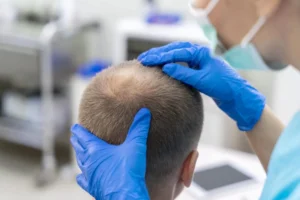
- Scalp examination – often using a trichoscope to assess follicle density.
- Blood tests – to rule out hormonal imbalances, iron deficiency, or thyroid issues.
- Pull test – gently pulling a small bunch of hair to gauge shedding severity.
These assessments help differentiate between alopecia areata, androgenetic alopecia, and other forms of hair loss, ensuring you receive a tailored treatment plan.
Preventive Measures and Early Interventions
Addressing the signs of balding at 18 doesn’t always require surgery. Several non‑invasive options can stabilize or even reverse early thinning.
Medical Treatments
Two FDA‑approved medications are commonly prescribed:
- Finasterid – oral tablet that reduces DHT production, slowing follicle miniaturization.
- Minoxidil – topical solution that stimulates blood flow to the scalp and prolongs the growth phase.
Both treatments are most effective when started before extensive follicle loss occurs.
Lifestyle Adjustments
Incorporate a balanced diet rich in protein, omega‑3 fatty acids, and vitamins A, C, D, and E. Manage stress through regular exercise, meditation, or yoga. Avoid tight hairstyles and limit heat styling to reduce mechanical trauma.
While these measures can be highly beneficial, they work best when combined with professional guidance. A personalized plan that addresses your unique genetics, health status, and aesthetic goals will yield the most sustainable results.
Why Choose Gold City Hair
Gold City Hair has been a trusted hair‑restoration center in Turkey since 2017, offering state‑of‑the‑art techniques such as FUE, DHI, and eyebrow/beard transplants. Our team prioritizes transparent communication and a personalized experience for every client. With a focus on natural‑looking results and patient safety, we guide you from initial assessment through post‑procedure care, helping you regain confidence and a fuller head of hair.
Ready to take control of your hair future? Contact Gold City Hair today for a confidential consultation and discover the best early‑intervention options tailored to you.
SSS
What are the early signs of balding at age 18?
Early signs include a receding hairline, thinning at the crown, increased daily shedding, and patchy hair loss.
How can I differentiate between androgenetic alopecia and alopecia areata?
Androgenetic alopecia shows gradual thinning in predictable patterns, while alopecia areata appears as sudden, round patches of hair loss.
What lifestyle factors can worsen hair loss in young adults?
Stress, poor nutrition, smoking, and excessive heat styling can accelerate hair loss.
When should I see a dermatologist for hair loss at 18?
If you notice persistent thinning, sudden patchy loss, or shedding over 100 hairs daily, schedule a visit promptly.
What are the most effective non‑surgical treatments for early balding?
Finasteride and minoxidil are the two FDA‑approved, evidence‑based options for early hair loss.
How does stress contribute to hair shedding in teenagers?
Stress can trigger telogen effluvium, causing a large number of hairs to enter the shedding phase simultaneously.