Finding the right hair loss treatment for women can feel overwhelming, especially with so many products and procedures on the market. This article breaks down the most reliable options, explains how they work, and helps you decide which approach fits your personal needs. Did you know that approximately 40% of women experience noticeable thinning by age 50? Understanding the underlying causes is the first step toward a successful solution.
We’ll explore the science behind female pattern hair loss, review topical and oral medications, examine non‑surgical technologies, discuss surgical hair restoration, and share practical lifestyle changes that support healthy growth. Whether you’re looking for over‑the‑counter hair growth products or a permanent transplant, the information here will guide you toward a confident, fuller future.
By the end of this guide, you’ll have a clear roadmap for addressing hair thinning alopecia, choosing the best hair growth supplements, and partnering with a trusted clinic for lasting results.
Understanding Female Pattern Hair Loss
Female pattern hair loss, also known as androgenetic alopecia, is the most common cause of thinning in women. Unlike male pattern baldness, it typically presents as diffuse thinning over the crown while the frontal hairline remains intact. Hormonal fluctuations, genetics, and stress can all contribute to this condition.
Key signs to watch for include:
- Gradual widening of the part line
- Increased shedding during washing
- Noticeable thinning on the top of the scalp
- Reduced hair density without complete bald patches
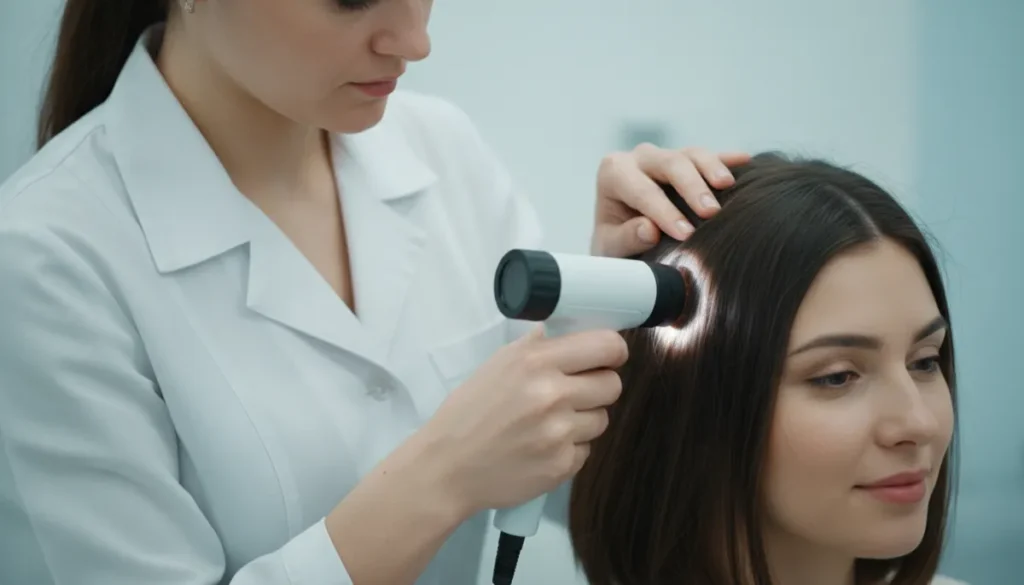
Diagnosing the cause accurately is essential because treatment effectiveness varies. A dermatologist may perform a scalp examination, blood tests, and a pull test to rule out other forms of alopecia such as telogen effluvium.
Below is a quick comparison of common diagnostic tools and what they reveal:
| Diagnostic Tool | What It Detects | Typical Use |
|---|---|---|
| Scalp Trichoscopy | Miniaturized hairs, follicular density | First‑line visual assessment |
| Blood Panel | Hormone levels, iron deficiency | Identify systemic contributors |
| Pull Test | Active shedding rate | Measure ongoing hair loss |
Understanding the root cause enables you to select the most appropriate hair loss treatment for women, whether it’s medication, lifestyle modification, or a procedural intervention.
Topical and Oral Medications
Medications remain the cornerstone of many hair loss treatment for women plans. The two most widely studied options are topical minoxidil and oral anti‑androgens, each targeting different pathways of hair thinning.
Minoxidil (Rogaine)
Minoxidil is the only FDA‑approved topical solution for female pattern hair loss. It works by prolonging the anagen (growth) phase and increasing blood flow to hair follicles. A 5% foam applied twice daily can yield visible regrowth within 3–6 months for many users.
Oral Anti‑Androgens
Spironolactone, a potassium‑sparing diuretic, is frequently prescribed off‑label to block androgen receptors. While not approved specifically for hair loss, it can reduce the impact of excess androgens that accelerate follicle miniaturization. Finasteride, though primarily used in men, is sometimes considered for post‑menopausal women under close supervision.
Hair Growth Supplements
Supplemental nutrients support the biochemical environment necessary for healthy hair. Look for products containing biotin, zinc, vitamin D, and marine‑derived proteins. While supplements alone rarely reverse significant thinning, they complement medical therapy effectively.
Here’s a concise list of recommended products and their typical dosages:
- Minoxidil 5% foam – twice daily
- Spironolactone 100 mg – once daily (prescribed)
- Biotin 5 mg – daily
- Zinc picolinate 30 mg – daily
- Vitamin D3 2000 IU – daily
When combined with a balanced diet and proper scalp care, these medications and supplements form a robust foundation for tackling hair thinning alopecia.
Advanced Non‑Surgical Procedures
For women seeking results beyond topical solutions, several non‑surgical technologies have emerged as effective adjuncts. These procedures stimulate the scalp’s natural regenerative capacity without incisions.
Platelet‑Rich Plasma (PRP) Therapy
PRP involves drawing a small amount of the patient’s blood, concentrating platelets, and injecting the plasma into the scalp. Growth factors released by platelets promote follicular activity and improve hair density. Typical protocols consist of three sessions spaced one month apart, followed by maintenance treatments every 4–6 months.
Low‑Level Laser Therapy (LLLT)
LLLT devices, such as laser caps or combs, emit red light wavelengths that enhance cellular metabolism in hair follicles. Clinical studies suggest a 30% increase in hair thickness after consistent use for 6 months.
Microneedling
Microneedling creates micro‑injuries that trigger wound‑healing pathways, encouraging new hair growth. When combined with topical minoxidil, the absorption rate can improve significantly.
Below is a side‑by‑side comparison of these technologies:
| Procedure | Mechanism | Typical Sessions | Average Results |
|---|---|---|---|
| PRP Therapy | Growth‑factor infusion | 3 initial + maintenance | 15‑25% increase in density |
| LLLT | Photobiomodulation | Daily 15‑min use | 10‑20% increase in thickness |
| Microneedling | Micro‑injury‑induced regeneration | Monthly 4‑6 sessions | 10‑15% improvement when combined |
These non‑invasive options are especially appealing for women who prefer to avoid surgery while still achieving measurable improvements.
Surgical Solutions: Hair Transplant Techniques for Women
When conservative measures are insufficient, surgical hair restoration offers a permanent solution. Modern techniques such as FUE (Follicular Unit Extraction) and DHI (Direct Hair Implantation) have been refined to meet the specific aesthetic needs of women.
FUE for Female Patients
FUE involves harvesting individual follicular units from a donor area—usually the back of the scalp—and implanting them into thinning zones. The method leaves minimal scarring, making it suitable for women who prefer to wear short hairstyles.
DHI Advantages
DHI utilizes a specialized implanter pen that allows for precise depth control and angle placement, resulting in a more natural hair line. Because the grafts spend less time outside the body, survival rates are slightly higher compared to traditional FUE.
Choosing the Right Technique
Factors influencing the choice include donor hair availability, scalp laxity, and personal styling preferences. A thorough consultation with a certified surgeon can determine the optimal plan.
Comparison of FUE and DHI for women:
| Feature | FUE | DHI |
|---|---|---|
| Incision Size | 0.8‑1 mm | 0.6‑0.9 mm |
| Graft Handling Time | Longer | Shorter |
| Scarring Visibility | Very low | Almost invisible |
| Typical Recovery | 7‑10 days | 5‑8 days |
For many women, a well‑executed transplant restores not only hair density but also confidence, allowing them to style their hair without concealment.
Lifestyle and Home Care Strategies
Even with medical interventions, everyday habits play a crucial role in maintaining healthy hair. Simple adjustments can enhance the effectiveness of any hair loss treatment for women plan.
Saç Sağlığı için Beslenme
Protein, omega‑3 fatty acids, and iron are essential building blocks for keratin production. Incorporate foods such as salmon, lentils, nuts, and leafy greens into your diet. A daily multivitamin that includes biotin and vitamin D can fill nutritional gaps.
Gentle Hair Care Practices
- Avoid tight hairstyles that pull on the scalp (e.g., tight ponytails, braids)
- Use sulfate‑free, mild shampoos and conditioners
- Limit heat styling to a few times per week
- Pat hair dry instead of vigorous rubbing
Stress Management
Chronic stress elevates cortisol, which can disrupt the hair growth cycle. Incorporate relaxation techniques such as yoga, meditation, or regular aerobic exercise to keep stress levels in check.
By aligning medical treatment with supportive lifestyle habits, you create a synergistic environment that maximizes hair regrowth and long‑term scalp health.
Why Choose Gold City Hair
Gold City Hair combines cutting‑edge technology with personalized care, offering a full spectrum of hair restoration solutions for women. Since 2017, our clinic in Turkey has performed thousands of successful FUE, DHI, and eyebrow/beard transplants, always prioritizing patient comfort and transparent communication. Our experienced medical team tailors each treatment plan to your unique hair loss pattern, ensuring natural‑looking results and lasting confidence.
Ready to start your journey toward fuller, healthier hair? Contact Gold City Hair today to schedule a free virtual consultation and discover the best hair loss treatment for women for your needs.
SSS
What causes female pattern hair loss?
Female pattern hair loss is mainly driven by genetics, hormonal changes, and stress, leading to diffuse thinning over the crown.
Is minoxidil effective for women with hair loss?
Yes, 5% minoxidil foam is FDA‑approved for women and can stimulate regrowth within 3–6 months.
How does PRP therapy help hair growth in women?
PRP injects growth‑factor‑rich plasma into the scalp, boosting follicle activity and increasing density by 15‑25% after a series of sessions.
What are the differences between FUE and DHI hair transplants for women?
FUE extracts individual grafts with tiny incisions, while DHI uses a pen‑style implanter for precise placement and slightly higher graft survival.
Can hair growth supplements replace medical treatments?
Supplements support overall hair health but usually cannot replace prescription medications for significant thinning.
What lifestyle changes can improve the results of hair loss treatments?
A balanced diet, gentle hair care, stress reduction, and avoiding tight hairstyles can boost treatment effectiveness