Many women notice a female receding hairline as they age, and the change can feel sudden and unsettling. While hair loss is often associated with men, women experience unique patterns that demand specific attention. This article explores the underlying causes, diagnostic steps, non‑surgical and surgical solutions, and post‑procedure care, helping you make informed decisions about restoring your hair and confidence.
According to recent dermatology studies, up to 40% of women will experience noticeable hair thinning or a receding hairline by the age of 50. The emotional impact can be significant, affecting self‑esteem, professional interactions, and social life. Understanding why the hairline moves and what options exist empowers you to take proactive steps.
We will cover hormonal influences, genetic factors, lifestyle contributors, and medical conditions such as alopecia that can accelerate hair loss. You’ll also learn how modern techniques like Follicular Unit Extraction (FUE) and Direct Hair Implantation (DHI) offered by Gold City Hair provide natural, lasting results for women seeking a fuller hairline.
Causes of a Female Receding Hairline
The first step in addressing a female receding hairline is recognizing the multifactorial causes. While each woman’s experience is unique, several common contributors can be identified:
- Hormonal changes: Menopause, thyroid disorders, and polycystic ovary syndrome (PCOS) can disrupt the hair growth cycle.
- Genetic predisposition: Androgenetic alopecia, often called female pattern baldness, runs in families and leads to gradual hairline recession.
- Autoimmune conditions: Alopecia areata may cause sudden patches of hair loss, including at the front of the scalp.
- Traction alopecia: Frequently pulling hairstyles, such as tight ponytails or braids, create stress on the hair follicles.
- Nutritional deficiencies: Lack of iron, vitamin D, or protein can weaken hair shafts.
- Stress and lifestyle: Chronic stress elevates cortisol, which can push hair follicles into a resting phase.
Understanding these factors helps clinicians tailor treatment plans. For example, a woman whose receding hairline stems from hormonal imbalance may benefit from endocrine evaluation before considering surgical options.
Diagnosing and Assessing Hairline Changes
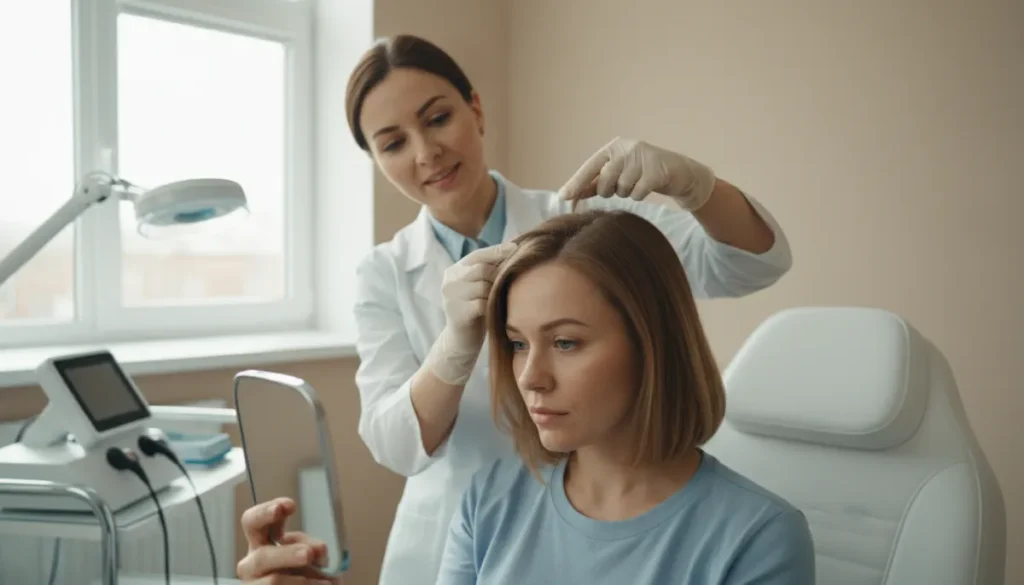
Accurate diagnosis is essential for effective treatment of a female receding hairline. Dermatologists and hair restoration specialists employ a combination of visual examination, medical history, and diagnostic tools.
Clinical Examination
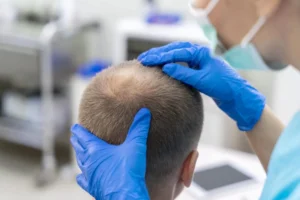
A thorough scalp inspection identifies patterns of thinning, the presence of miniaturized hairs, and any signs of inflammation. The Ludwig Scale and Sinclair Scale are commonly used to grade female pattern hair loss.
Trichoscopy
Trichoscopy, a dermatoscopic technique, magnifies the scalp to reveal follicular details. It can differentiate between androgenetic alopecia, alopecia areata, and other conditions without invasive biopsies.
Blood Tests
Laboratory work may include thyroid panels, ferritin levels, hormone profiles, and autoimmune markers to uncover underlying systemic causes.
| Test | Purpose | Typical Findings in Female Hairline Recession |
|---|---|---|
| Thyroid Panel | Assess thyroid function | Hypothyroidism or hyperthyroidism can cause diffuse thinning |
| Ferritin | Check iron stores | Low ferritin often correlates with increased shedding |
| Hormone Profile | Evaluate estrogen, progesterone, androgens | Elevated DHT may indicate androgenetic alopecia |
| Autoimmune Panel | Detect conditions like alopecia areata | Positive antibodies suggest autoimmune involvement |
These assessments guide clinicians toward the most appropriate intervention, whether medical, lifestyle, or surgical.
Non‑Surgical Treatments and Lifestyle Adjustments
Before considering surgery, many women explore non‑invasive options to halt or reverse a female receding hairline. These approaches often combine topical agents, oral medications, and lifestyle changes.
Topical Solutions
- Minoxidil 2% or 5%: The only FDA‑approved topical treatment for women, it prolongs the growth phase of hair follicles.
- Corticosteroid creams: Used for localized alopecia areata patches.
Oral Medications
- Spironolactone: An anti‑androgen that reduces DHT effects in women.
- Finasteride (off‑label): Occasionally prescribed for post‑menopausal women under specialist supervision.
Supplementation and Nutrition
Biotin, zinc, and omega‑3 fatty acids support keratin production. A balanced diet rich in lean protein, leafy greens, and whole grains can improve overall hair health.
Lifestyle Strategies
- Reduce mechanical stress: Opt for loose hairstyles and avoid heat styling.
- Manage stress: Incorporate mindfulness, yoga, or regular exercise.
- Sleep hygiene: Aim for 7–9 hours to regulate hormonal balance.
While these measures can slow progression, they may not fully restore a receded hairline, especially when genetic factors dominate. In such cases, surgical restoration offers a more definitive solution.
Surgical Hair Restoration Options for Women
When conservative methods fall short, modern hair transplant techniques provide a reliable way to reconstruct a female receding hairline. Gold City Hair specializes in two primary methods: Follicular Unit Extraction (FUE) and Direct Hair Implantation (DHI).
Foliküler Ünite Ekstraksiyonu (FUE)
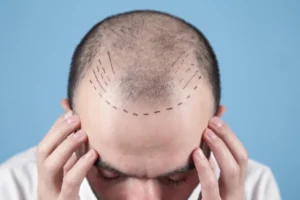
FUE involves harvesting individual follicular units from a donor area—typically the back of the scalp—and implanting them into the thinning frontal zone. The procedure leaves minimal scarring and allows precise placement to mimic natural hair growth patterns.
Direct Hair Implantation (DHI)
DHI utilizes a patented implanter pen that places grafts directly without creating prior incisions. This technique reduces handling time, improves graft survival, and offers finer control over angle and depth, which is crucial for a subtle, feminine hairline.
Choosing the Right Method
| Feature | FUE | DHI |
|---|---|---|
| Incision Creation | Separate recipient site creation | Implanter pen creates site simultaneously |
| Graft Handling Time | Longer | Shorter |
| Scarring | Microscopic puncture scars | Even less visible |
| Ideal Candidates | Moderate to extensive hair loss | Fine hairlines, high precision needs |
Both techniques achieve natural density and are performed under local anesthesia. Recovery is typically swift, with most patients returning to daily activities within a week.
Post‑Procedure Care and Long‑Term Maintenance
Successful outcomes for a female receding hairline depend not only on the surgery itself but also on diligent after‑care. Proper post‑procedure protocols maximize graft survival and support long‑term hair health.
Immediate After‑Care (First 2 Weeks)
- Gentle washing with prescribed mild shampoo after 48 hours.
- Avoid direct sunlight, excessive heat, and strenuous exercise.
- Use prescribed antibiotics or anti‑inflammatory medication as directed.
Mid‑Term Maintenance (1–6 Months)
- Apply topical minoxidil if recommended to stimulate growth.
- Continue nutrient supplementation (biotin, zinc, iron).
- Schedule follow‑up appointments to monitor graft integration.
Long‑Term Strategies
Even after full hairline restoration, maintaining scalp health is essential. Regular scalp massages improve blood circulation, and periodic low‑level laser therapy can enhance follicle vitality. Women should also keep hormonal levels balanced and manage stress to prevent future recession.
By adhering to these guidelines, patients often see a natural, dense hairline within 9–12 months, with continued thickening over the following year.
Why Choose Gold City Hair
Gold City Hair has been a trusted hair transplant center in Turkey since 2017, offering personalized, transparent care for women with a female receding hairline. Our team combines expertise in FUE and DHI techniques with a compassionate approach, ensuring each patient receives a treatment plan tailored to her unique hair characteristics and aesthetic goals. With state‑of‑the‑art facilities and a commitment to natural results, we help you regain confidence and enjoy a lasting, beautiful hairline.
Ready to transform your hairline? Contact Gold City Hair today to schedule a personalized consultation and discover the best solution for your needs.
Take the first step toward a fuller, more confident you—our experts are here to guide you every step of the way.
SSS
What causes a female receding hairline?
Hormonal changes, genetics, autoimmune conditions, traction, nutritional deficiencies, and stress are the main contributors.
How is a female receding hairline diagnosed?
Diagnosis combines visual scalp examination, trichoscopy, and blood tests to assess hormonal and nutritional status.
What non‑surgical treatments are effective for women with a receding hairline?
Topical minoxidil, anti‑androgen oral meds, supplements, and lifestyle changes are the primary non‑surgical options.
What are the differences between FUE and DHI hair transplant methods for women?
FUE extracts grafts and creates recipient sites separately; DHI uses an implanter pen that places grafts directly, reducing handling time.
How long does it take to see results after a hair transplant for a female receding hairline?
Visible new growth typically appears after 3‑4 months, with full density developing by 9‑12 months.
What post‑procedure care is recommended to maintain a restored hairline?
Gentle washing, sun protection, medication adherence, supplementation, and regular follow‑ups support graft survival and long‑term health.