Follicular transplantation has become a cornerstone of modern hair restoration, offering a natural‑looking solution for men and women experiencing hair loss. This article explains the science behind the procedure, compares it with traditional methods, and outlines what patients can expect before, during, and after treatment.
Every year, millions of individuals seek effective ways to combat thinning hair, and advances in follicular unit extraction (FUE) ve direct hair implantation (DHI) have dramatically improved success rates. Understanding the process helps you make an informed decision and set realistic expectations for results.
We will walk through the step‑by‑step workflow of follicular transplantation, highlight its advantages over older techniques, and provide practical tips for preparation and recovery. Whether you are exploring options for the first time or refining your knowledge, this guide equips you with the essential information needed to achieve lasting confidence.
How Follicular Transplantation Works
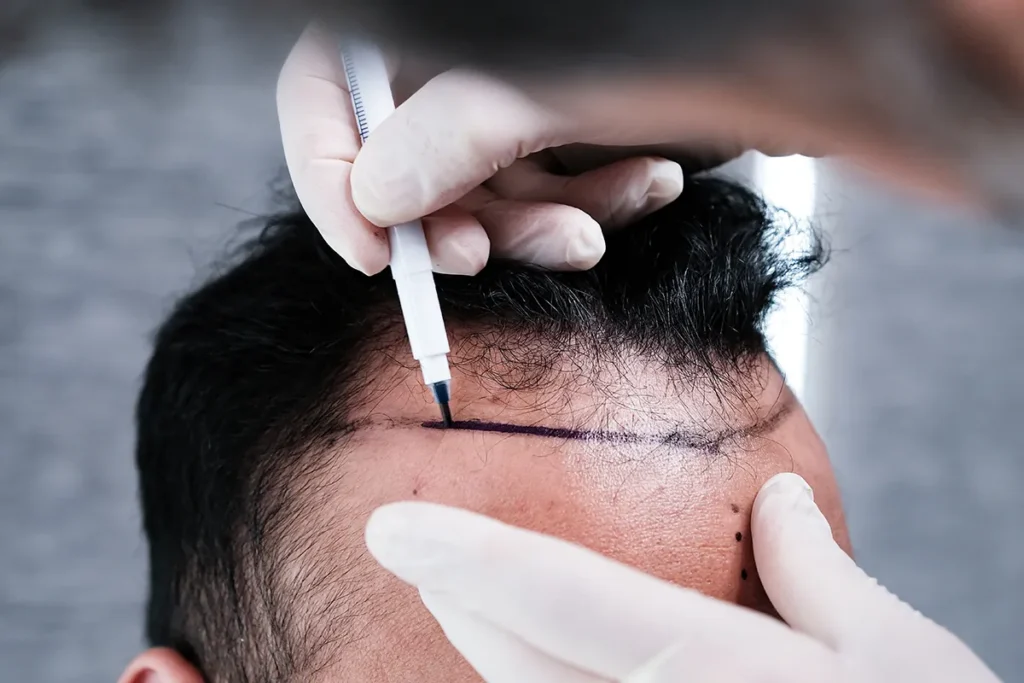
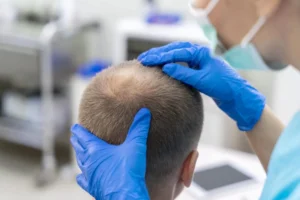
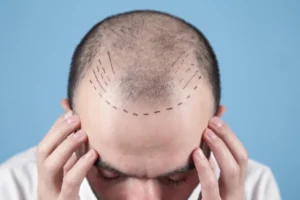
The core of follicular transplantation involves moving healthy hair follicles from a donor area—typically the back of the scalp—to balding or thinning zones. The procedure begins with a thorough assessment, followed by the extraction of individual follicular units using a specialized micro‑punch. These units, each containing 1‑4 hairs, are then meticulously placed into pre‑made incisions that mimic natural hair growth patterns.
Key steps include:
- Patient evaluation and mapping of donor and recipient zones.
- Local anesthesia to ensure a pain‑free experience.
- Extraction of follicular units via FUE, DHI, or FUT methods.
- Creation of recipient sites with precise angles and depths.
- Implantation of grafts, ensuring optimal density and direction.
Because each graft is handled individually, the risk of visible scarring is minimal, and the transplanted hair typically begins to grow within three to four months. Long‑term results become fully apparent after 12‑18 months, offering a permanent and natural solution.
Benefits Over Traditional Hair Transplant Methods
Compared with older hair restoration techniques, follicular transplantation provides several distinct advantages that enhance both the patient experience and the final aesthetic outcome.
| Aspect | Traditional Methods (e.g., hair plugs) | Follicular Transplantation |
|---|---|---|
| Scarring | Visible linear or dotted scars | Minimal to no visible scarring |
| Graft Naturalness | Large grafts, unnatural texture | Individual follicular units, natural hair flow |
| Recovery Time | Longer downtime, higher discomfort | Quicker healing, less post‑procedure pain |
| Density Control | Limited precision | Precise placement for optimal density |
Patients also benefit from a higher survival rate of transplanted follicles, which translates into fuller coverage and a more natural hairline. The flexibility of extracting grafts from various donor sites allows clinicians to tailor the procedure to each individual’s hair pattern and aesthetic goals.
Choosing the Right Technique: FUE, DHI, and FUT Explained
Not all follicular transplantation procedures are identical. The three most common techniques—FUE, DHI, and FUT—differ in how grafts are harvested and implanted, influencing factors such as scarring, session length, and cost.
Foliküler Ünite Ekstraksiyonu (FUE)
FUE uses a tiny circular punch (0.8‑1.0 mm) to extract individual follicular units directly from the donor area. This method leaves tiny dot‑like scars that are virtually invisible, making it ideal for patients who prefer short hairstyles.
Direct Hair Implantation (DHI)
DHI builds on FUE by employing a specialized implanter pen that places grafts immediately after extraction, reducing handling time and potentially improving graft survival. It offers precise control over graft depth and angle.
Foliküler Ünite Transplantasyonu (FUT)
FUT involves removing a thin strip of scalp from the donor zone, which is then dissected into individual grafts. While it may leave a linear scar, FUT can yield a higher number of grafts in a single session, making it cost‑effective for extensive balding.
When selecting a technique, consider your hair loss stage, budget, and personal preferences regarding scarring and recovery. A qualified clinic will assess your unique case and recommend the most suitable approach.
Preparing for Your Procedure: What to Expect
Successful outcomes begin with thorough preparation. Prior to undergoing follicular transplantation, patients should follow a set of guidelines to minimize risks and ensure optimal graft survival.
- Schedule a comprehensive consultation to discuss medical history and expectations.
- Discontinue smoking and limit alcohol intake at least two weeks before surgery.
- Avoid certain medications (e.g., blood thinners, anti‑inflammatories) as advised by your surgeon.
- Maintain a balanced diet rich in vitamins A, C, D, and E, which support hair growth.
- Shave the donor area only if required by the chosen technique; many clinics now perform FUE without full shaving.
On the day of the procedure, you will receive local anesthesia, ensuring a pain‑free experience. The surgical team will then map out the recipient sites, taking care to replicate your natural hairline and growth direction. The entire process typically lasts 4‑8 hours, depending on the number of grafts and the technique used.
Recovery and Long‑Term Care After Follicular Transplantation
Post‑operative care is crucial for graft survival and the ultimate aesthetic result. Most patients experience mild swelling, redness, and crusting in the first few days, which can be managed with prescribed medications and gentle scalp hygiene.
First Week
Keep the scalp clean using a mild shampoo recommended by your surgeon. Avoid direct sunlight, heavy exercise, and any activities that cause excessive sweating.
Weeks 2‑4
Hair shedding of transplanted follicles is normal (known as “shock loss”). New growth typically begins after the third week. Continue using gentle hair products and protect the scalp from UV exposure.
Months 3‑12
Gradual thickening continues as grafts mature. Attend scheduled follow‑up visits to monitor progress and address any concerns. Maintaining a healthy lifestyle—balanced nutrition, stress management, and avoiding smoking—supports long‑term results.
Most clinics, including Gold City Hair, provide a detailed aftercare protocol and are available for remote consultations to ensure a smooth recovery.
Why Choose Gold City Hair for Your Follicular Transplantation
Gold City Hair combines years of expertise with cutting‑edge technology to deliver reliable, natural‑looking results. Since 2017, our clinic in Turkey has refined FUE, DHI, and eyebrow/beard transplant techniques, ensuring each patient receives a personalized treatment plan. Our commitment to transparent communication and post‑procedure support helps you feel confident from consultation through long‑term follow‑up.
Ready to restore your confidence with follicular transplantation? Contact Gold City Hair today to schedule a personalized consultation and take the first step toward a fuller, natural‑looking hairline.
SSS
What is follicular transplantation and how does it work?
Follicular transplantation moves healthy hair follicles from a donor area to balding zones using micro‑punch extraction and precise implantation.
What are the main differences between FUE, DHI, and FUT?
FUE extracts individual follicles with a tiny punch, DHI adds an implanter pen for immediate placement, while FUT removes a strip of scalp to dissect grafts.
How should I prepare for a follicular transplantation procedure?
Schedule a consultation, stop smoking, avoid certain meds, maintain a vitamin‑rich diet, and follow any shaving instructions from your surgeon.
What does the recovery timeline look like after a hair transplant?
The first week involves swelling and crusting, weeks 2‑4 see shedding, and new growth starts around month 3, continuing to improve up to 12‑18 months.
Why choose Gold City Hair for my follicular transplantation?
Gold City Hair offers experienced surgeons, advanced FUE/DHI/FUT techniques, personalized plans, and comprehensive after‑care support in Turkey.