Hair grafting for women has become a reliable solution for those seeking a fuller, natural‑looking hairline without invasive surgery. Whether you’re dealing with thinning crowns, receding temples, or diffuse loss, modern grafting techniques can restore both volume and confidence. In fact, recent surveys show that over 60% of female patients report a significant boost in self‑esteem after their procedure.
This article walks you through the entire journey—from understanding the science behind grafting to choosing the right technique, preparing for the day of treatment, and managing recovery. By the end, you’ll have a clear picture of what to expect, how to make informed decisions, and why a specialized clinic like Gold City Hair can make all the difference.
We’ll also address common myths, outline realistic timelines, and provide practical tips to ensure optimal results. Let’s begin the transformation.
Understanding Hair Grafting: How It Works for Women
Hair grafting involves extracting healthy hair follicles from a donor area—usually the back of the scalp—and implanting them into thinning zones. Unlike older “hair plug” methods, grafting places individual follicular units, creating a natural growth pattern that blends seamlessly with existing hair.
For women, the process is tailored to address specific patterns of loss, such as widening part lines or diffuse thinning. The procedure begins with a detailed consultation where a specialist maps out the donor and recipient zones, taking into account hair density, curl pattern, and aesthetic goals.
- Extraction of follicular units (typically 1‑4 hairs each).
- Preparation of the recipient site with micro‑incisions.
- Implantation of grafts at appropriate angles and depths.
- Post‑operative care to promote graft survival.
Compared with a traditional hair transplant for women, grafting offers higher precision, less scarring, and faster healing. It also aligns with the broader category of hair restoration treatment, which includes non‑surgical options like PRP and low‑level laser therapy. Understanding these fundamentals helps you set realistic expectations and choose a method that matches your lifestyle.
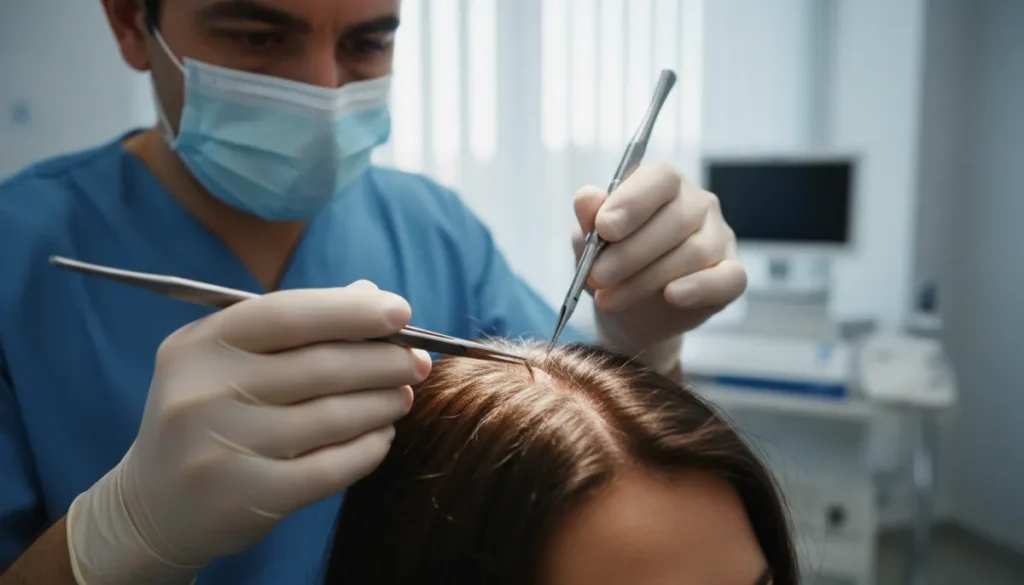
Choosing the Right Technique: FUE vs DHI for Female Patients
Two of the most popular grafting methods are Foliküler Ünite Ekstraksiyonu (FUE) ve Direct Hair Implantation (DHI). Both are suitable for women, but they differ in extraction, handling, and implantation steps.
FUE Overview
FUE removes individual follicular units using a micro‑punch, leaving tiny, dot‑like scars that are virtually invisible. The grafts are then stored in a chilled solution before being implanted. This method is ideal for patients who prefer a less invasive approach and may need future sessions.
DHI Overview
DHI utilizes a specialized implanter pen that combines extraction and implantation in a single step. This reduces the time grafts spend outside the body, potentially improving survival rates. DHI is especially beneficial for women with finer hair, as the pen allows for precise placement at shallow angles.
| Feature | FUE | DHI |
|---|---|---|
| Extraction Tool | Micro‑punch (0.8‑1.0 mm) | Implanter pen |
| Graft Handling Time | Longer (requires storage) | Shorter (direct implantation) |
| Scarring | Dot‑like, minimal | Practically none |
| Ideal for | Moderate‑to‑dense donor area | Fine or delicate hair |
Both techniques are part of the broader hair transplant landscape and can be customized based on your hair type, scalp laxity, and aesthetic goals. Discussing these options with a qualified surgeon ensures you receive a plan that maximizes graft survival and natural appearance.
Preparing for Your Procedure: What Women Should Expect
Successful grafting starts long before the day of surgery. A thorough pre‑consultation helps the surgeon assess your hair loss pattern, medical history, and aesthetic preferences. This step often includes a scalp analysis, photographic documentation, and discussion of any medications that could affect healing.
Pre‑Consultation Checklist
- Medical questionnaire covering hormonal issues, thyroid function, and medications.
- High‑resolution scalp photographs for baseline comparison.
- Discussion of realistic outcomes and potential need for multiple sessions.
- Explanation of donor area suitability and graft count estimation.
Pre‑Operative Care
In the weeks leading up to the procedure, patients are advised to:
- Avoid smoking and alcohol, which can impair blood flow.
- Stop using harsh hair products or chemical treatments.
- Maintain a balanced diet rich in vitamins A, C, D, and zinc.
- Follow any prescribed medication adjustments, such as pausing anticoagulants.
On the day of grafting, you’ll be given a comfortable, private setting. Local anesthesia ensures a pain‑free experience, and the entire process typically lasts 6‑8 hours depending on the number of grafts needed. Knowing what to expect reduces anxiety and contributes to a smoother recovery.
Recovery and Results: Timeline and Care Tips
Post‑procedure care is crucial for graft survival and optimal growth. Most women experience mild swelling and redness for the first 48 hours, which can be managed with prescribed anti‑inflammatory medication and gentle scalp cooling.
Immediate Post‑Op (Days 1‑7)
- Keep the scalp clean with a gentle, sulfate‑free shampoo.
- Avoid direct sunlight, heavy exercise, and tight headwear.
- Sleep with the head elevated to reduce swelling.
Short‑Term Growth (Weeks 2‑8)
During the first two weeks, grafts begin to anchor. Some shedding of transplanted hairs is normal—a sign that the follicles are entering a new growth cycle. By the eighth week, new hair shafts start to emerge, though they may be fine and light‑colored.
Long‑Term Results (Months 3‑12)
Significant density improvement typically becomes visible between three and six months. Full maturation, with thicker and darker hair, occurs around the one‑year mark. Ongoing maintenance, such as using minoxidil or PRP sessions, can enhance longevity.
| Time Frame | What to Expect |
|---|---|
| Days 1‑7 | Mild swelling, crust formation, gentle cleansing. |
| Weeks 2‑8 | Shedding of transplanted hairs, early new growth. |
| Months 3‑6 | Noticeable increase in density, hair thickening. |
| Months 9‑12 | Full aesthetic result, natural appearance. |
Adhering to post‑operative instructions and attending follow‑up appointments ensures the best possible outcome. Remember, each individual’s timeline may vary, but the overall pattern remains consistent for most women undergoing hair grafting.
Common Concerns and Myths About Hair Grafting for Women
Despite its growing popularity, many women still have questions about the safety, permanence, and natural look of hair grafting. Below we address the most frequent concerns.
Is the result permanent?
Grafted follicles are taken from a genetically resistant donor area, meaning they retain their resistance to the same causes of hair loss that affected the original thinning zones. While the grafts themselves are permanent, ongoing hormonal changes or age‑related thinning may affect surrounding native hair, making occasional touch‑ups advisable.
Will the transplanted hair look unnatural?
Because the procedure implants individual follicular units at the correct angle and density, the new hair grows just like your own. Skilled surgeons, especially those experienced with female patterns, ensure the hairline follows natural curvature and avoids a “plug” appearance.
Can I undergo grafting if I have a medical condition?
Most women with well‑controlled thyroid disorders, polycystic ovary syndrome (PCOS), or mild hormonal imbalances are eligible. However, active infections, uncontrolled diabetes, or recent chemotherapy may require postponement. A thorough medical review during the consultation will determine suitability.
Does the procedure cause pain?
Local anesthesia numbs the donor and recipient areas, making the experience virtually painless. Some patients report mild discomfort during the injection of anesthetic, but this subsides quickly.
Understanding these facts helps you make an informed decision and set realistic expectations for your hair grafting journey.
Why Choose Gold City Hair
Gold City Hair combines cutting‑edge technology with a personalized approach to deliver reliable hair grafting for women. Since 2017, our clinic in Turkey has performed thousands of successful procedures, specializing in FUE and DHI methods that prioritize natural results and minimal downtime. Our team of certified surgeons offers transparent communication, detailed pre‑operative planning, and comprehensive after‑care support, ensuring each patient feels confident from consultation through long‑term follow‑up.
Choosing Gold City Hair means accessing world‑class expertise at a competitive price, all while receiving individualized attention that respects your unique hair loss pattern and aesthetic goals.
Ready to start your transformation? Contact Gold City Hair today to schedule a free, no‑obligation consultation and discover how hair grafting for women can renew your confidence.
Take the first step toward a fuller, natural‑looking hairline—your journey begins now.
SSS
What is hair grafting and how does it differ from traditional hair transplants?
Hair grafting extracts individual follicular units and implants them precisely, offering a natural look with less scarring than older plug methods.
Which technique, FUE or DHI, is better for women with fine hair?
DHI is often preferred for fine or delicate hair because the implanter pen places grafts at shallow angles with minimal handling time.
What should I do in the weeks before my hair grafting procedure?
Avoid smoking and alcohol, stop harsh hair products, maintain a vitamin‑rich diet, and follow any medication adjustments advised by your surgeon.
How long does it take to see visible results after hair grafting?
Noticeable density usually appears between three and six months, with full maturation around the one‑year mark.
Are the results of hair grafting permanent for women?
The transplanted follicles are permanent, but surrounding native hair may still thin over time, requiring occasional touch‑ups.
Is the hair grafting procedure painful for women?
Local anesthesia numbs the scalp, making the procedure virtually painless; any discomfort is brief and limited to the injection phase.