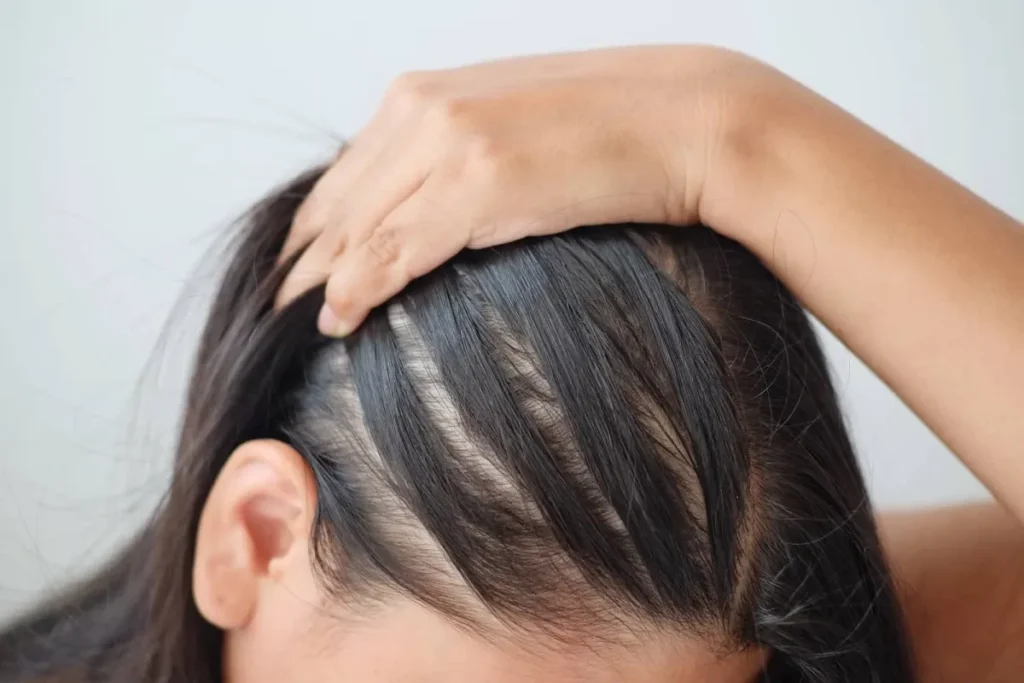
Experiencing hair thinning at 19 can feel unsettling, especially when peers seem to enjoy a full, healthy head of hair. While many assume hair loss is a concern only for older adults, early‑onset thinning is more common than the statistics suggest. In fact, recent dermatology surveys indicate that up to 15 % of males and 8 % of females notice noticeable thinning before their twenties.
This article explores the underlying reasons behind early hair loss, outlines the diagnostic process used by professionals, and reviews both non‑surgical and surgical options that can help you regain density and confidence. Whether you suspect a hereditary pattern, stress‑related shedding, or an underlying medical condition, understanding the mechanisms is the first step toward an effective solution.
We will also discuss lifestyle adjustments, emerging therapies, and why partnering with an experienced clinic such as Gold City Hair can make a decisive difference in your journey.
Common Causes of Early‑Onset Hair Thinning
Identifying the root cause of hair thinning at 19 is essential for selecting the right treatment plan. Below are the most frequently encountered factors:
- Androgenetic alopecia (commonly called male or female pattern baldness) – driven by genetic sensitivity to dihydrotestosterone (DHT).
- Alopecia areata – an autoimmune condition that causes patchy hair loss.
- Traction alopecia – resulting from tight hairstyles or frequent use of hair accessories.
- Hormonal fluctuations – especially in women during menstrual cycles or after starting oral contraceptives.
- Stress‑induced telogen effluvium – short‑term shedding after physical or emotional stress.
- Nutritional deficiencies – low iron, zinc, or vitamin D levels can impair follicle health.
- Medical conditions – thyroid disorders, scalp infections, or severe acne treatments.
Below is a concise comparison of the most common types:
| Condition | Typical Pattern | Onset Age | Key Indicator |
|---|---|---|---|
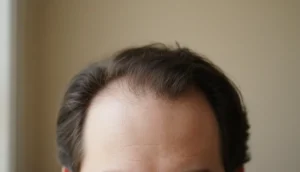
| Androgenetic alopecia | Receding hairline, thinning crown | Late teens–early 20s | Family history, DHT sensitivity |
| Alopecia areata | Round patches of baldness | Any age | Sudden patchy loss |
| Traction alopecia | Hairline recession, especially frontal | Teen years | History of tight hairstyles |
| Telogen effluvium | Diffuse thinning across scalp | After stress event | Recent illness or major stress |
Understanding which of these mechanisms is at play will guide both medical evaluation and treatment selection. If you notice a pattern that matches any of the descriptions above, seeking a professional assessment promptly can prevent further follicular miniaturization.
How Professionals Diagnose Hair Thinning in Young Adults
A precise diagnosis is the cornerstone of any successful hair restoration strategy. Dermatologists and trichologists employ a combination of visual examination, dermoscopic analysis, and laboratory testing to pinpoint the exact cause.
Clinical Examination
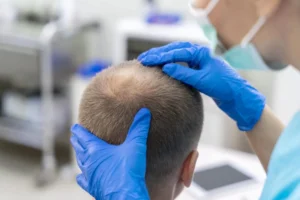
During the initial visit, the clinician assesses the pattern of loss, scalp health, and any signs of inflammation. The pull test—gently tugging a small bundle of hair—helps determine whether hairs are in the shedding phase.
Scalp Dermoscopy (Trichoscopy)
Using a handheld dermoscope, specialists can magnify the scalp to observe follicular units, miniaturization, and the presence of exclamation‑mark hairs typical of alopecia areata. This non‑invasive tool often distinguishes between androgenetic alopecia and other forms of thinning.
Laboratory Tests
Blood work may include:
- Complete blood count (CBC) – to rule out anemia.
- Thyroid function panel – hypothyroidism can mimic hair loss.
- Serum ferritin and vitamin D levels – essential for follicle metabolism.
- Hormone panel – especially for females, to assess androgen levels.
Collectively, these assessments provide a comprehensive picture, enabling clinicians to recommend targeted therapies rather than generic solutions.
Non‑Surgical Treatment Options for Young Adults
For many individuals experiencing hair thinning at 19, non‑invasive interventions can halt progression and stimulate regrowth. Below are the most evidence‑based options.
- Topical Minoxidil – A 2 % or 5 % solution applied twice daily that prolongs the anagen (growth) phase. Clinical trials show up to 30 % increase in hair density after six months.
- Low‑Level Laser Therapy (LLLT) – Red‑light devices that improve cellular metabolism in follicles. Recommended usage is 10‑15 minutes per session, three times a week.
- Platelet‑Rich Plasma (PRP) Injections – Autologous plasma enriched with growth factors, injected into the scalp to promote follicular rejuvenation. Typical protocol involves three sessions spaced one month apart.
- Oral Finasteride (for males) – A 1 mg daily dose that reduces DHT production. Must be prescribed after evaluating potential side effects.
- Lifestyle Modifications – Balanced diet rich in protein, iron, and omega‑3 fatty acids; stress‑management techniques such as meditation; and avoiding harsh hairstyles that cause traction.
Combining two or more modalities often yields superior outcomes. For example, pairing minoxidil with LLLT can accelerate visible density gains within three to four months.
When Surgical Restoration Becomes Viable
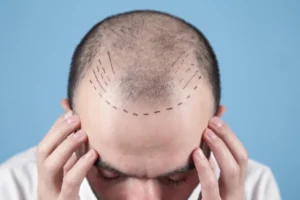
While many 19‑year‑olds respond well to non‑surgical measures, some may already exhibit significant follicular loss that warrants transplantation. Modern techniques such as Follicular Unit Extraction (FUE) and Direct Hair Implantation (DHI) provide natural‑looking results with minimal downtime.
Criteria for Surgical Candidacy
Ideal candidates typically meet the following conditions:
- Stable hair loss pattern for at least 12 months.
- Adequate donor area density (usually the back and sides of the scalp).
- No active scalp infections or uncontrolled medical conditions.
- Realistic expectations regarding graft survival and coverage.
FUE vs. DHI
FUE involves extracting individual follicular units with a micro‑punch and implanting them into the recipient area. DHI uses a specialized implanter pen that allows for immediate placement, reducing graft handling time.
Both methods offer high survival rates (90 %+ when performed by experienced surgeons) and can be tailored to address receding hairlines, crown thinning, or even eyebrow restoration. For a 19‑year‑old, the surgeon may recommend a conservative graft count to preserve donor reserves for future procedures if needed.
Lifestyle Factors and Prevention Strategies
Even after initiating treatment, maintaining healthy hair requires ongoing attention to everyday habits. Below are actionable steps that support long‑term follicle vitality.
Beslenme
Consume a balanced diet emphasizing:
- Lean proteins – essential for keratin synthesis.
- Iron‑rich foods (spinach, lentils) – combats anemia‑related shedding.
- Omega‑3 fatty acids (salmon, walnuts) – reduce inflammation.
- Biotin and zinc supplements – may improve hair strength when deficiencies are present.
Scalp Care
Avoid excessive heat styling, harsh chemical treatments, and tight headwear. Gentle cleansing with sulfate‑free shampoos helps maintain a healthy scalp microbiome.
Stress Management
Incorporate regular physical activity, mindfulness meditation, or yoga to lower cortisol levels, which are linked to telogen effluvium.
By integrating these habits with medically guided therapies, many young adults see a marked reduction in shedding and a gradual return of density.
Why Choose Gold City Hair
Gold City Hair combines decades of clinical expertise with state‑of‑the‑art technology to deliver personalized hair restoration solutions. Since 2017, our team has performed thousands of successful FUE and DHI procedures, prioritizing transparent communication and patient comfort. We tailor each treatment plan to the individual’s unique pattern of hair thinning, ensuring optimal results whether you opt for non‑surgical therapies or surgical transplantation.
Ready to take control of your hair future? Contact Gold City Hair today for a confidential consultation and discover the most effective path to fuller, healthier hair.
Our specialists are waiting to create a customized plan that fits your lifestyle and goals. Book your appointment now.
SSS
What are the most common causes of hair thinning at age 19?
The main causes include androgenetic alopecia, alopecia areata, traction alopecia, hormonal fluctuations, stress‑induced telogen effluvium, nutritional deficiencies, and certain medical conditions.
How is hair thinning diagnosed in young adults?
Diagnosis combines a clinical exam, scalp dermoscopy (trichoscopy), and targeted laboratory tests to pinpoint the underlying cause.
What non‑surgical treatments are effective for 19‑year‑olds with hair thinning?
Topical minoxidil, low‑level laser therapy, PRP injections, oral finasteride (for males), and lifestyle changes are the primary non‑surgical options.
When should a 19‑year‑old consider surgical hair restoration?
Surgery is considered when hair loss has been stable for at least a year, donor density is sufficient, and non‑surgical methods have not yielded desired results.
How do lifestyle factors influence early hair loss?
Nutrition, scalp care, and stress management directly affect follicle health and can either exacerbate or mitigate early hair thinning.
What makes Gold City Hair a good choice for treating hair thinning?
Gold City Hair offers experienced clinicians, advanced FUE and DHI techniques, and personalized treatment plans tailored to young adults.