When it comes to hairline repair, many people struggle to find a solution that balances effectiveness, safety, and natural results. Whether the concern is a receding hairline, thinning edges, or a patchy appearance, understanding the underlying causes is the first step toward a lasting fix. Recent studies show that up to 40% of men and 30% of women experience noticeable hairline changes by the age of 35, making early intervention crucial.
This article walks you through the most common reasons for hairline loss, explores both non‑surgical and surgical treatment paths, and highlights key factors to consider when choosing a personalized plan. We’ll also discuss after‑care strategies that help maintain results and boost confidence for years to come.
By the end of this guide, you’ll have a clear roadmap for achieving a healthier, fuller hairline—whether you prefer cutting‑edge technology, proven medical procedures, or a combination of both.
Understanding Hairline Issues: Causes and Types
Before selecting a hairline repair method, it’s essential to recognize why the hairline changes in the first place. The most common factors include:
- Genetic predisposition (male or female pattern baldness)
- Hormonal fluctuations, especially dihydrotestosterone (DHT) levels
- Stress and poor nutrition leading to hair thinning
- Trauma from tight hairstyles or repeated pulling (traction alopecia)
- Medical conditions such as thyroid disorders or autoimmune diseases
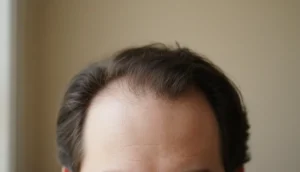
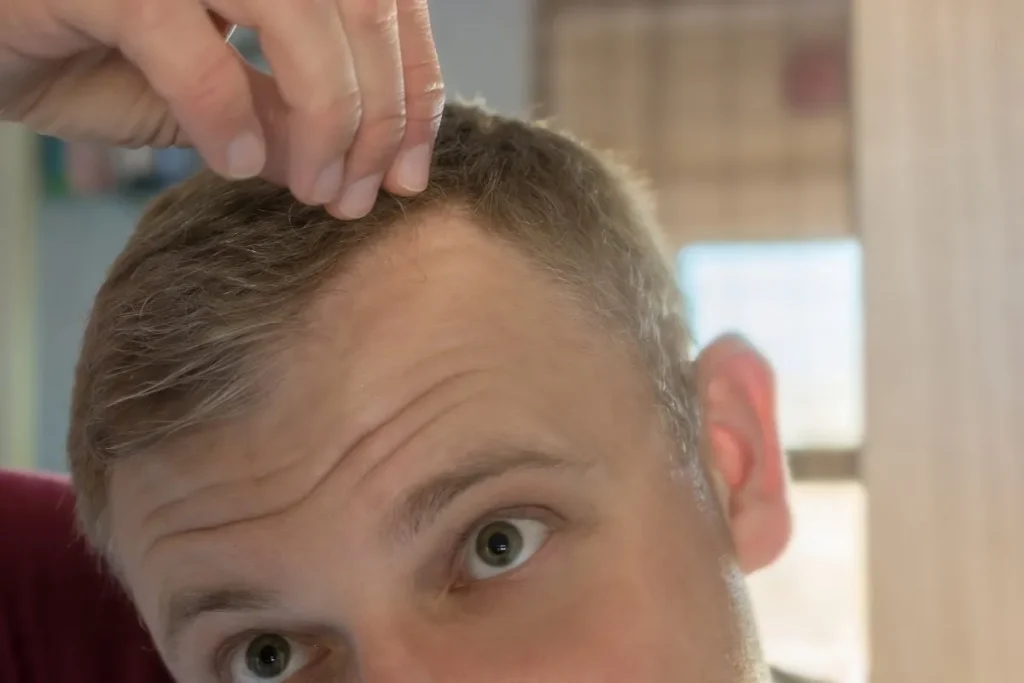
These causes often manifest as a receding hairline at the temples, a widening forehead, or diffuse thinning along the hairline. Distinguishing between temporary shedding and permanent loss is vital; temporary shedding may respond well to topical treatments, while permanent loss often requires surgical intervention.
Another important distinction is between thinning hair and bald spots. Thinning typically indicates reduced follicle density, which can be addressed with both medical and non‑surgical options. Bald spots, especially those caused by scarring, may need more advanced procedures such as follicular unit extraction (FUE) or direct hair implantation (DHI).
Understanding the root cause not only guides the choice of treatment but also sets realistic expectations for outcomes.
Non‑Surgical Options for Hairline Repair
For many individuals, the first line of defense against a receding hairline is non‑surgical therapy. These approaches aim to stimulate existing follicles, improve scalp health, and slow further loss.
Red Light Therapy and Its Benefits
Red light therapy uses low‑level wavelengths (typically 630‑660 nm) to penetrate the scalp, increasing cellular metabolism and blood flow. Clinical trials have shown that consistent use can boost hair density by up to 30% after six months. The treatment is painless, non‑invasive, and can be performed at home with a red light mask or panel.
Key advantages include:
- Reduced inflammation around hair follicles
- Enhanced ATP production, leading to stronger hair growth cycles
- Compatibility with other treatments such as minoxidil or finasteride
Topical and Oral Hair Growth Products
Over‑the‑counter solutions like minoxidil, biotin supplements, and specially formulated shampoos can complement red light therapy. While minoxidil is a proven hair loss treatment for both men and women, emerging products containing peptides and growth factors are gaining popularity for their targeted action on the hair follicle.
When selecting a product, look for clinical evidence, transparent ingredient lists, and reviews that confirm efficacy. Combining topical applications with a daily regimen of vitamins—particularly vitamin D, zinc, and omega‑3 fatty acids—supports overall hair health.
| Non‑Surgical Option | Typical Use Duration | Expected Outcome |
|---|---|---|
| Red Light Therapy | 3–6 months | 30% increase in density |
| Minoxidil (5% solution) | 4–12 months | Stabilizes loss, modest regrowth |
| Biotin & Vitamin Complex | 6 months+ | Improved shaft strength |
Surgical Solutions: Hair Transplant Techniques
When non‑surgical methods are insufficient, surgical hair transplant procedures offer a permanent solution. Modern techniques prioritize minimal scarring, high graft survival, and natural‑looking results.
Foliküler Ünite Ekstraksiyonu (FUE)
FUE involves harvesting individual follicular units from a donor area—typically the back or sides of the scalp—and implanting them into the hairline. The method allows for precise placement, making it ideal for creating a soft, feathered front that mimics natural growth patterns.
Direct Hair Implantation (DHI)
DHI is an evolution of FUE that uses a patented implanter pen to place grafts without creating pre‑made incisions. This reduces handling time, improves graft survival, and offers greater control over angle and depth—crucial for a seamless hairline.
Eyebrow and Beard Transplants
For patients seeking comprehensive facial aesthetics, Gold City Hair also provides eyebrow and beard transplants using the same FUE/DHI principles. These procedures can correct sparse brows or patchy beards, enhancing overall facial symmetry.
| Technique | Avantajlar | Recovery Time |
|---|---|---|
| FUE | Minimal scarring, high precision | 7–10 days |
| DHI | Higher graft survival, no pre‑incisions | 5–9 days |
| Eyebrow/Beard | Facial harmony, same donor source | 7–12 days |
Success rates for these procedures exceed 90% when performed by experienced surgeons, and results typically become visible after 3–4 months, with full maturation at 12–18 months.
Choosing the Right Treatment Plan
Deciding between non‑surgical and surgical options depends on several personal factors. Consider the following when crafting your hairline repair strategy:
- Age and progression: Younger patients with early‑stage recession often benefit from red light therapy combined with topical treatments.
- Donor area quality: Adequate donor density is essential for successful FUE or DHI grafts.
- Budget and downtime: Non‑surgical methods are less costly but require ongoing maintenance; surgery involves a higher upfront cost with a brief recovery period.
- Desired outcome: If a dramatic, permanent change is the goal, transplant surgery provides the most reliable results.
Consultation with a qualified specialist is the cornerstone of a tailored plan. During a thorough evaluation, the surgeon will assess scalp elasticity, hair density, and overall health to recommend the optimal mix of therapies.
Many clinics now offer hybrid programs that start with red light therapy to improve scalp conditions before proceeding to a transplant, maximizing graft survival and final appearance.
Aftercare and Long‑Term Maintenance
Regardless of the chosen method, diligent aftercare is essential to preserve results and promote ongoing health.
Post‑Surgical Care
After a transplant, patients should avoid direct sunlight, heavy exercise, and harsh chemicals for the first two weeks. Gentle shampooing with a prescribed mild cleanser helps keep the grafts clean without dislodging them.
Continuous Scalp Stimulation
Integrating red light therapy into a weekly routine can boost circulation and support graft integration. Devices such as a red light mask or panel are safe for daily use and complement any topical regimen.
Nutritional Support
Long‑term hair health is closely linked to nutrition. Incorporating foods rich in protein, iron, and omega‑3 fatty acids—like salmon, lentils, and nuts—provides the building blocks for strong hair shafts. Supplements containing biotin, vitamin D, and zinc can fill dietary gaps.
Regular follow‑up appointments with your clinic ensure any concerns are addressed promptly, and adjustments to the maintenance plan can be made as needed.
| Aftercare Element | Frequency | Key Benefit |
|---|---|---|
| Gentle shampoo | Daily | Maintains graft hygiene |
| Red light therapy | 3‑4 times/week | Improves circulation |
| Balanced diet & supplements | Ongoing | Supports follicle health |
| Follow‑up visits | Every 3 months (first year) | Monitors progress |
Why Choose Gold City Hair
Gold City Hair combines cutting‑edge technology with personalized care to deliver reliable hairline repair results. Since 2017, our clinic in Turkey has performed thousands of successful FUE, DHI, and eyebrow/beard transplants, emphasizing transparent communication and patient‑centered planning. Our experienced medical team tailors each treatment to the individual’s scalp condition, donor density, and aesthetic goals, ensuring natural‑looking outcomes that boost confidence.
Choosing Gold City Hair means accessing world‑class facilities, state‑of‑the‑art equipment, and a commitment to follow‑up support that guides you from the initial consultation through long‑term maintenance.
Ready to transform your hairline? Contact Gold City Hair today to schedule a personalized consultation and discover the best path to a fuller, natural‑looking hairline.
Take the first step toward renewed confidence—your journey to lasting hairline repair starts now.
SSS
What are the main causes of a receding hairline?
Genetics, hormonal changes, stress, poor nutrition, trauma from tight hairstyles, and certain medical conditions can cause a receding hairline.
How does red light therapy help with hairline repair?
Red light therapy stimulates cellular metabolism and blood flow, promoting hair follicle health and increasing density by up to 30% after several months.
What is the difference between FUE and DHI hair transplant techniques?
FUE extracts individual grafts and implants them after making incisions, while DHI uses a pen‑like implanter to place grafts directly without pre‑made cuts, improving graft survival.
Can non‑surgical treatments replace hair transplant surgery?
Non‑surgical options can slow loss and improve density but usually cannot achieve the permanent, dramatic results of a transplant for advanced hairline loss.
What after‑care is recommended following a hair transplant?
Avoid sun, heavy exercise, and harsh chemicals for two weeks; use gentle shampoo, continue scalp stimulation, and maintain a nutrient‑rich diet.
How long does it take to see full results after a hair transplant?
Initial visible growth appears after 3‑4 months, with full maturation typically occurring between 12‑18 months.