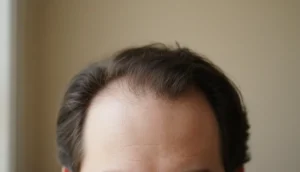
Bu hairline test is a simple yet powerful assessment that helps you understand the current state of your hairline and predict future changes. Whether you notice a subtle recession or are concerned about thinning patches, this test offers a clear picture of your hair health. In the next sections we’ll explore how the test is performed, what factors influence the results, and when it’s time to consider professional hair restoration options.
Hair loss affects up to 70% of men and 40% of women at some point in their lives, making early detection crucial for effective treatment. By identifying patterns early, you can choose the most appropriate hair growth products or medical interventions. This article guides you through the entire process, from preparation to interpretation, and highlights why a personalized approach—like the one offered by Gold City Hair—makes a difference.
We will also compare the hairline test with other diagnostic tools, discuss common misconceptions, and provide practical tips to ensure accurate results. Let’s begin the journey toward better hair confidence.
What Is the Hairline Test and How It Works
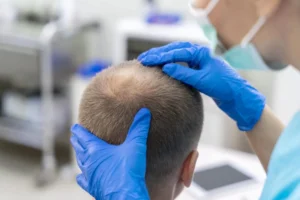
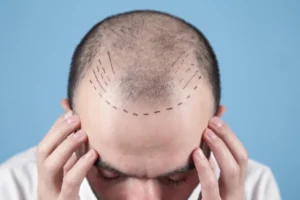
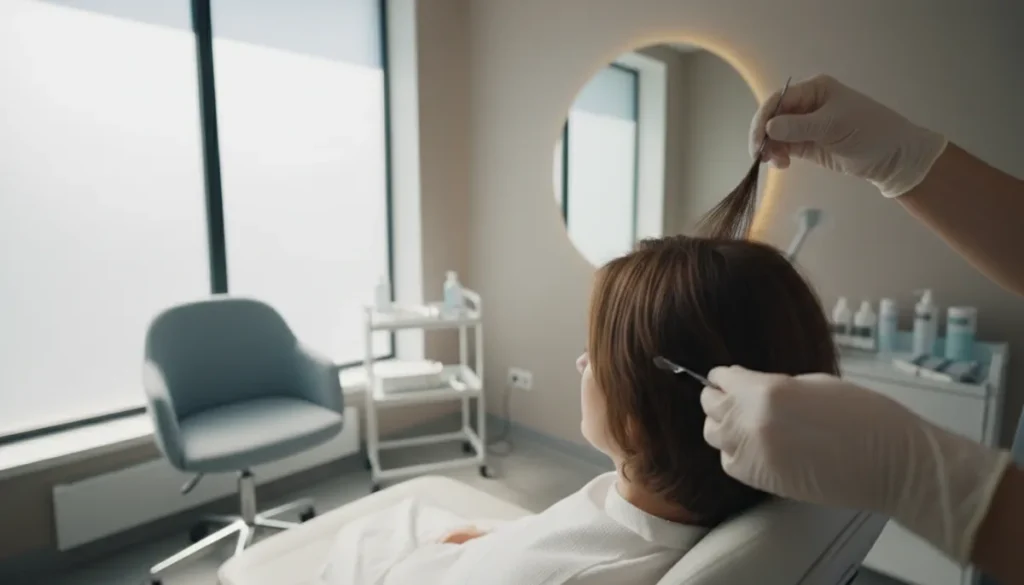
Bu hairline test is a visual and photographic evaluation performed by a qualified specialist. It records the position, density, and pattern of hair follicles along the frontal scalp, allowing clinicians to detect early recession, miniaturization, or bald spots.
Methodology
During the test, the practitioner follows these steps:
- Clean the scalp and remove any styling products that could obscure visibility.
- Mark reference points on the forehead and temples using a non‑permanent ink.
- Take high‑resolution photographs from multiple angles.
- Measure distances between marked points and analyze hair density using specialized software.
Interpretation
Results are categorized into three main zones:
- Stable Zone: No significant recession; hair density is within normal range.
- Alert Zone: Minor recession or thinning; early intervention may prevent further loss.
- Critical Zone: Noticeable baldness; discussion of hair transplant or other hair loss treatment is recommended.
Clinicians compare the measurements against established norms for age and gender, providing a personalized report that outlines the current status and projected trend. This information forms the foundation for choosing appropriate hair growth supplements, finasteride, or surgical options.
Factors That Influence Hairline Test Results
Several variables can affect the accuracy and relevance of a hairline test. Understanding these factors helps you interpret the findings correctly and decide on the best course of action.
Genetik Yatkınlık
Family history is a primary driver of hair loss patterns. If close relatives experienced early recession, you may be more likely to fall into the Alert or Critical zones. Genetic testing can complement the hairline test by identifying specific markers linked to androgenic alopecia.
Age and Hormonal Changes
Hormonal fluctuations, especially during puberty, pregnancy, or menopause, can accelerate hair thinning. Men may experience increased dihydrotestosterone (DHT) levels, which affect follicle miniaturization. Women often notice diffuse thinning, making the hairline test valuable for early detection.
Nutritional Status
Deficiencies in iron, vitamin D, and biotin can manifest as reduced hair density. Incorporating a balanced diet or targeted supplements can improve the outcomes of subsequent hairline tests.
Medical Conditions and Medications
Conditions such as thyroid disorders, autoimmune diseases, or certain medications (e.g., chemotherapy) can cause temporary or permanent hair loss. Documenting these factors during the test ensures a more accurate diagnosis.
Lifestyle Influences
Stress, smoking, and poor sleep quality contribute to hair shedding. Lifestyle modifications often enhance the effectiveness of hair growth products and finasteride for hair loss.
By accounting for these elements, clinicians can differentiate between reversible thinning and progressive baldness, guiding appropriate interventions.
Comparing the Hairline Test to Other Hair Assessment Tools
While the hairline test offers a quick visual snapshot, other diagnostic methods provide deeper insight into scalp health and follicle activity. Below is a comparison of common tools.
| Tool | Primary Use | Avantajlar | Limitations |
|---|---|---|---|
| Hairline Test | Initial visual assessment | Non‑invasive, fast, cost‑effective | Limited to frontal region, does not assess microscopic changes |
| Trichoscopy | Dermoscopic examination of hair shafts | Detects miniaturization, perifollicular inflammation | Requires specialist equipment, higher cost |
| Scalp Biopsy | Histological analysis | Gold standard for diagnosing alopecia types | Invasive, healing time required |
| Phototrichogram | Quantitative hair growth measurement | Accurate growth rate data over weeks | Time‑intensive, needs patient compliance |
For most individuals, the hairline test serves as a valuable first step, especially when combined with a thorough medical history. If the results indicate a Critical zone, a trichoscopy or scalp biopsy may be recommended to confirm the diagnosis before planning a hair transplant.
When to Consider Professional Hair Restoration Options
If your hairline test places you in the Alert or Critical zones, exploring professional hair restoration becomes a logical next step. Modern techniques such as Follicular Unit Extraction (FUE) and Direct Hair Implantation (DHI) have transformed the landscape of hair loss treatment.
Hair Transplant Techniques
Both FUE and DHI involve harvesting individual follicular units from a donor area—typically the back of the scalp—and implanting them into the thinning region. FUE leaves tiny, dot‑like scars, while DHI uses a specialized implanter pen for higher precision and graft survival.
Non‑Surgical Options
For those not ready for surgery, options include:
- Topical minoxidil (over‑the‑counter hair growth stimulant).
- Oral finasteride, a prescription medication that reduces DHT production.
- Low‑level laser therapy (LLLT) devices that stimulate follicular activity.
- Customized hair growth supplements enriched with biotin, zinc, and saw palmetto.
Choosing the Right Path
Decision‑making should consider:
- Extent of hair loss (as indicated by the hairline test).
- Age and overall health.
- Personal expectations and budget.
- Potential side effects of medical treatments.
A qualified specialist will review your test results, discuss realistic outcomes, and design a tailored plan—whether that involves a single‑session transplant or a combination of medical therapies.
Preparing for a Hairline Test: Tips for Accurate Results
To maximize the reliability of your hairline test, follow these preparation guidelines. Proper preparation reduces artifacts and ensures the clinician can make an informed assessment.
Pre‑Test Checklist
- Wash your scalp with a mild shampoo 24 hours before the appointment; avoid heavy conditioners.
- Refrain from styling products (gel, mousse) that could mask hair density.
- Do not shave or trim the hairline within two weeks prior to the test.
- Schedule the test at a consistent time of day, preferably in the morning when hair is less likely to be affected by daily activities.
- Disclose any recent medication changes, especially those affecting hormonal levels.
- Bring a list of any family history of hair loss for the clinician’s reference.
During the Test
Remain relaxed and avoid sudden head movements. The technician will ask you to sit still while the camera captures detailed images. If you experience discomfort, notify the staff immediately.
Post‑Test Care
After the assessment, follow any recommended scalp care routine. This may include gentle cleansing, avoiding harsh chemicals, and using prescribed topical agents if indicated.
Consistent monitoring—ideally repeating the hairline test every six months—helps track progress and adjust treatment plans as needed.
Why Choose Gold City Hair
Gold City Hair combines cutting‑edge technology with a personalized approach to hair restoration. Since 2017, our clinic in Turkey has delivered successful FUE, DHI, and eyebrow/beard transplants, prioritizing transparent communication and patient comfort. Our experienced team evaluates each hairline test result thoroughly, crafting individualized treatment plans that align with your goals and lifestyle. Trust Gold City Hair for reliable expertise and a supportive journey toward renewed confidence.
Ready to take the next step? Contact Gold City Hair today for a comprehensive consultation and discover how a tailored hairline test can guide your path to lasting hair restoration.
Schedule your appointment now and restore the confidence that comes with a full, healthy hairline.
SSS
What is a hairline test and how does it work?
A hairline test is a visual and photographic evaluation of the frontal scalp that records hairline position, density, and pattern.
How are the results of a hairline test interpreted?
Results are grouped into three zones: Stable, Alert, and Critical, indicating the severity of hair loss.
Which factors can affect the outcome of a hairline test?
Genetics, age, hormones, nutrition, medical conditions, medications, and lifestyle all influence the test results.
How does the hairline test compare to trichoscopy and scalp biopsy?
The hairline test is quick and non‑invasive, while trichoscopy offers microscopic detail and scalp biopsy provides histological confirmation.
When should I consider professional hair restoration after a hairline test?
If the test places you in the Alert or Critical zones, it’s time to explore medical or surgical restoration options.
How should I prepare for a hairline test to ensure accurate results?
Wash your scalp, avoid styling products, don’t trim the hairline, and provide a full medical and family history.