Bu normal amount of hair loss varies from person to person, but most people shed a predictable number of strands each day without it being a cause for alarm. Recognizing what is typical helps you differentiate between everyday shedding and early signs of a more serious condition such as alopecia or androgenetic baldness.
On average, a healthy adult loses between 50 and 100 hairs daily. This natural process is part of the hair growth cycle, where old hairs fall out to make room for new ones. However, many factors—including stress, diet, hormonal changes, and seasonal shifts—can influence these numbers.
In this article we will explore the science behind daily hair shedding, the variables that affect it, warning signs that indicate abnormal loss, common myths, and practical steps you can take to maintain a healthy scalp. Whether you are noticing a few extra strands in the shower or are concerned about a receding hairline, understanding the baseline will empower you to make informed decisions about your hair health.
How Much Hair Do We Normally Lose?
Hair grows in cycles: anagen (growth), catagen (transition), and telogen (rest). Approximately 85% of hairs are in the anagen phase at any given time, while the remaining 15% are in catagen or telogen, ready to shed. The normal amount of hair loss—usually 50‑100 hairs per day—reflects the balance of these phases.
Several studies have shown that hair shedding peaks in the late summer and early autumn, likely due to seasonal hormonal fluctuations. Age also plays a role; older adults may experience slightly higher daily loss because the proportion of hairs in the telogen phase increases with age.
- Average daily loss: 50‑100 strands
- Peak shedding months: July‑September
- Age‑related increase: up to 20% higher after age 60
Understanding these patterns can reassure you that occasional increases are often temporary and not indicative of permanent hair loss.
Factors That Influence Daily Hair Shedding
While the baseline shedding range is well‑defined, many internal and external factors can shift the number up or down. Below is a breakdown of the most common influences.
| Factor | How It Affects Shedding |
|---|---|
| Hormonal Changes | Fluctuations in thyroid, estrogen, or testosterone can push more hairs into the telogen phase. |
| Beslenme | Deficiencies in iron, zinc, or biotin may weaken hair shafts, leading to increased breakage and loss. |
| Stres | Acute stress can trigger telogen effluvium, causing a noticeable spike in daily loss. |
| Medications | Certain drugs (e.g., anticoagulants, retinoids) list hair loss as a side effect. |
| Seasonal Changes | Higher shedding in late summer aligns with natural hair cycle adjustments. |
Recognizing these triggers helps you pinpoint lifestyle adjustments that can bring shedding back within the normal range. For example, improving iron intake or managing chronic stress often reduces excessive loss without medical intervention.
When Shedding Becomes a Concern: Warning Signs
Most people experience occasional fluctuations, but certain patterns suggest that the normal amount of hair loss has been exceeded. Pay attention to the following signs:
- Visible thinning on the top or crown of the head.
- Large clumps of hair on the pillow, shower drain, or brush (more than 100 strands in a single wash).
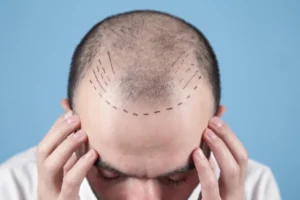
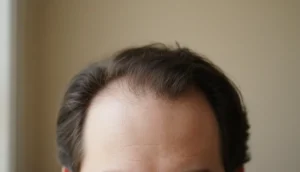
- Receding hairline or widening part.
- Hair loss that persists for more than three months despite lifestyle changes.
- Associated symptoms such as scalp itching, redness, or sudden weight loss.
If you notice any of these indicators, it may be time to consult a specialist. Conditions such as androgenetic alopecia (male or female pattern baldness), alopecia areata, or chronic telogen effluvium often require professional evaluation and targeted hair loss treatment.
Common Myths About Daily Hair Shedding
Misconceptions can cause unnecessary anxiety. Below are some of the most prevalent myths and the facts that set them straight.
| Myth | Fact |
|---|---|
| “If I wash my hair daily, I’ll lose more hair.” | Washing removes loose hairs that are already in the shedding phase; it does not increase the total number lost. |
| “Hair loss is only a male problem.” | Women experience hair thinning and can develop female pattern baldness, especially after menopause. |
| “A single haircut can stop hair loss.” | Hair loss originates at the follicle level; cutting hair length has no impact on the shedding cycle. |
Understanding the truth behind these myths helps you focus on evidence‑based solutions rather than ineffective home remedies.
Practical Steps to Maintain Healthy Hair and Manage Normal Shedding
Even if your shedding falls within the typical range, adopting a supportive hair‑care regimen can minimize breakage and promote robust regrowth.
- Balanced Nutrition: Include protein‑rich foods, omega‑3 fatty acids, and vitamins A, C, D, and E. Supplements like biotin or iron may be beneficial if deficiencies are identified.
- Gentle Styling: Avoid tight ponytails, harsh chemicals, and excessive heat. Opt for a wide‑tooth comb and limit the use of strong hairsprays.
- Scalp Stimulation: Regular scalp massages improve blood flow, which can support follicle health.
- Stress Management: Practices such as meditation, yoga, or regular exercise reduce cortisol levels that can trigger telogen effluvium.
- Medical Check‑up: If shedding spikes unexpectedly, a dermatologist can assess for underlying conditions like alopecia areata or thyroid disorders.
By integrating these habits, you reinforce the natural hair cycle and keep shedding comfortably within the normal limits.
Why Choose Gold City Hair
At Gold City Saç we combine cutting‑edge transplant techniques—such as FUE and DHI—with a personalized approach that respects each client’s unique hair profile. Since 2017, our clinic in Turkey has helped thousands regain confidence through safe, transparent, and results‑driven hair restoration. Our experienced team offers comprehensive consultations, ensuring you understand both the normal shedding process and the most effective solutions when intervention is needed.
Ready to take control of your hair health? Contact Gold City Hair today for a free, no‑obligation assessment and discover how our tailored treatments can restore your confidence.
SSS
What is considered a normal amount of hair loss per day?
Most healthy adults lose between 50 and 100 hairs each day as part of the natural hair growth cycle.
Which factors can increase daily hair shedding?
Stress, hormonal changes, nutritional deficiencies, certain medications, and seasonal shifts can all raise the number of hairs shed each day.
How can I tell if my hair loss is abnormal?
Look for visible thinning, large clumps of hair, a receding hairline, or shedding that persists for more than three months despite lifestyle changes.
What are common myths about daily hair shedding?
Myths include that daily washing increases loss, that hair loss only affects men, and that a haircut can stop shedding.
What steps can I take to maintain healthy hair and manage normal shedding?
Adopt balanced nutrition, gentle styling, scalp stimulation, stress management, and regular medical check‑ups if shedding spikes.
When should I consult a specialist for hair loss?
Seek professional advice if shedding exceeds 100 hairs per wash, persists for over three months, or is accompanied by scalp symptoms or rapid thinning.