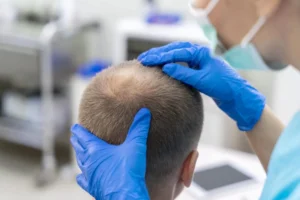
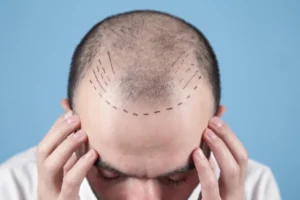
Reaching the one month post hair transplant milestone is a crucial phase in your recovery journey. By this time, the initial healing of the donor and recipient sites has settled, and the first signs of new growth may become visible. Understanding the typical timeline helps you stay confident and avoid unnecessary worries.
Most patients wonder whether the transplanted grafts are truly taking root and how their scalp should be treated moving forward. According to clinical observations, around 70% of grafts begin to establish a blood supply within the first three weeks, setting the stage for gradual hair emergence.
This article walks you through the physiological changes you can anticipate, practical after‑care recommendations, and the next steps toward the final, natural‑looking results you desire. Whether you’re a first‑time recipient or revisiting a previous procedure, the insights below will empower you to make informed decisions during this pivotal month.
Understanding the Healing Process at One Month
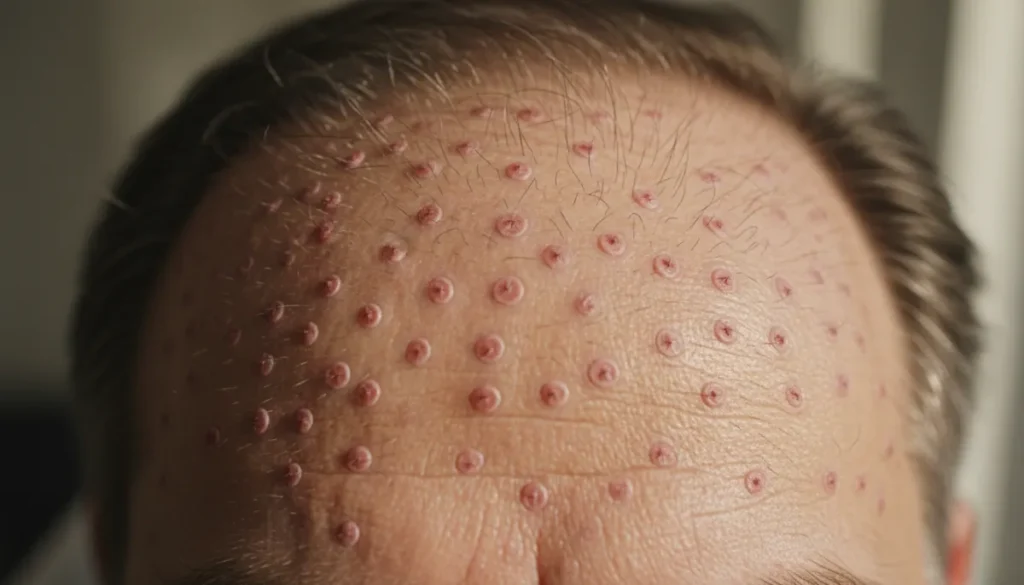
At the one month mark, the scalp has typically transitioned from the inflammatory phase to the remodeling stage. The tiny scabs that formed over each graft usually fall off, revealing tiny pink dots where the follicles reside. This is a normal part of the hair transplant healing timeline.
Key physiological milestones include:
- Completion of epithelialization around graft sites.
- Establishment of a stable micro‑circulation that nourishes the transplanted follicles.
- Reduction of swelling and redness to near baseline levels.
Below is a concise comparison of typical observations from day 7, day 14, and day 30 post‑procedure:
| Day | Scalp Appearance | Patient Sensations |
|---|---|---|
| 7 | Scabs present, mild redness | Slight tightness, occasional itching |
| 14 | Scabs loosening, redness decreasing | Reduced tightness, mild tenderness |
| 30 | Scabs fallen off, pink dots visible | Comfortable, normal scalp feel |
While the grafts are securely anchored, visible hair growth typically starts a few weeks later. Patience during this period is essential, as premature manipulation can disrupt the delicate healing process.
Visible Changes and What to Look For
By the time you reach the one month post hair transplant stage, many patients notice subtle visual cues that indicate progress. While a full head of hair will not appear for several months, certain signs are reassuring:
- Pink graft dots where each follicle was implanted.
- Gradual reduction of any crusty residue.
- Improved skin tone with less redness.
- Absence of infection signs such as pus or increasing pain.
It is normal for some grafts to shed during the first few weeks—a phenomenon known as “shock loss.” This shedding does not mean the transplant failed; rather, it is part of the natural cycle that allows new growth to emerge later.
Patients often ask, “Will I see any hair now?” The answer is usually “not yet.” The newly implanted follicles are still dormant, preparing to enter the anagen (growth) phase. Expect the first fine, downy hairs—often called “peach fuzz”—to appear around the 8‑ to 12‑week window.
Caring for Your Scalp: Post‑Operative Tips
Effective after‑care is vital to protect the grafts and promote optimal results. Below are evidence‑based recommendations for the one month post hair transplant period:
- Gentle cleansing: Use a mild, sulfate‑free shampoo recommended by your surgeon. Massage the scalp lightly with fingertips, avoiding any vigorous rubbing.
- Moisturization: Apply a prescribed moisturizing solution or natural oil (e.g., argan oil) to keep the scalp supple, especially if you experience dryness.
- Sun protection: Shield your scalp from direct UV exposure with a loose‑fit hat or a sunscreen formulated for the scalp (SPF 30+).
- Avoid heavy styling: Refrain from using hairdryers, straighteners, or tight hairstyles that could stress the graft sites.
- Medication adherence: Continue any prescribed antibiotics, anti‑inflammatories, or topical agents as directed.
Additionally, maintain a balanced diet rich in protein, iron, and biotin to support follicular health. Hydration and regular, moderate exercise can improve circulation, further assisting the healing process.
Common Concerns and When to Seek Professional Advice
Even with meticulous care, some patients experience issues that warrant prompt attention. Recognizing red flags during the one month post hair transplant phase can prevent complications:
- Excessive swelling lasting beyond two weeks.
- Persistent pain or throbbing that intensifies.
- Signs of infection such as pus, foul odor, or spreading redness.
- Unexpected hair loss beyond typical shock loss, especially in surrounding native hair.
- Allergic reaction to prescribed topical solutions.
If any of these symptoms occur, contact your clinic immediately. Early intervention—whether adjusting medication, prescribing a short course of antibiotics, or providing targeted wound care—can safeguard the grafts and ensure a smoother recovery.
Remember that each individual’s healing curve is unique. While some may progress faster, others might need a little more time before visible improvements appear. Trust the process, and keep open communication with your surgeon.
Planning the Next Steps: From 2‑Month Checkup to Final Results
The journey does not end at the one month post hair transplant checkpoint. A structured follow‑up plan helps you track progress and make informed decisions about future care.
Typical timeline after the first month:
| Timeframe | Focus | Typical Observations |
|---|---|---|
| 2 Months | Mid‑term evaluation | Early vellus hairs appear, scalp looks healthier |
| 3‑4 Months | Growth assessment | Thicker hairs emerge, density improves |
| 6‑12 Months | Final results | Full maturation of grafts, natural appearance |
During the two‑month follow‑up, your surgeon will assess graft survival, discuss any needed touch‑ups, and refine your long‑term maintenance plan. Maintaining the recommended post hair transplant care routine throughout this period maximizes graft retention and overall success.
By staying patient and adhering to professional guidance, most individuals achieve a natural‑looking, permanent hairline that boosts confidence and self‑esteem.
Why Choose Gold City Hair
Gold City Hair has been delivering personalized hair restoration solutions in Turkey since 2017. Our clinic specializes in advanced FUE and DHI techniques, ensuring minimal scarring and maximum graft survival. We prioritize transparent communication, thorough pre‑operative assessment, and meticulous after‑care protocols, empowering each client to achieve lasting, natural results.
Ready to start your transformation? Contact Gold City Hair today to schedule a personalized consultation and take the first step toward a fuller, confident you.
SSS
What should I expect one month after a hair transplant?
At one month you’ll see scabs falling off, pink graft dots, reduced redness and swelling, and the scalp will feel comfortable.
How can I tell if my hair transplant grafts are taking root at one month?
Signs include stable pink graft dots, no excessive swelling, and the absence of infection or pain.
What are the recommended scalp care practices during the first month post‑transplant?
Use a mild sulfate‑free shampoo, moisturize gently, protect from sun, avoid heavy styling, and follow medication instructions.
When is it normal to experience shedding or “shock loss” after a hair transplant?
Shedding typically occurs within the first two to three weeks and is a normal part of the healing cycle.
What signs indicate I need to contact my surgeon during the first month?
Excessive swelling, persistent pain, infection signs, unexpected hair loss, or allergic reactions require immediate medical attention.