When it comes to hair loss, many people wonder whether they are experiencing thinning vs balding and what that means for their future. The distinction is more than cosmetic; it influences the type of treatment that will be most effective. In this article we will explore the fundamental differences, underlying causes, diagnostic steps, and the range of solutions—from topical therapies to advanced hair transplant procedures.
According to recent dermatology surveys, up to 40% of adults notice noticeable hair thinning before any visible bald patches appear. Recognizing the early signs can empower you to act before the condition progresses.
We’ll break down the science behind each condition, help you identify which stage you’re in, and guide you toward the most appropriate interventions, including options offered by Gold City Hair.
What Is Hair Thinning and How It Differs From Balding
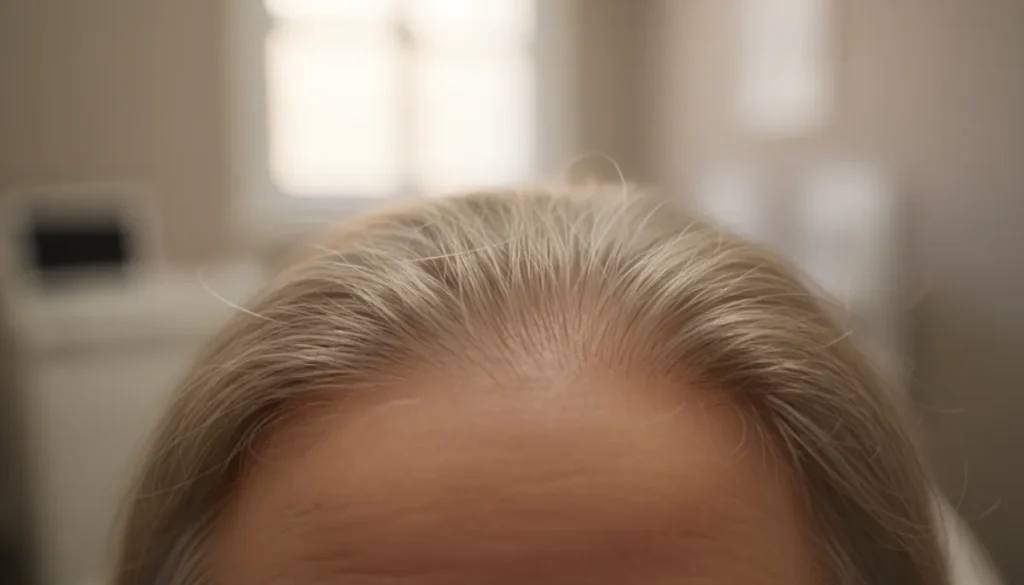
Hair thinning refers to a gradual reduction in hair density across the scalp while the hair follicles remain active. In contrast, balding involves the complete loss of hair in specific areas, often forming distinct bald spots or a receding hairline.
Key indicators of thinning include:
- Visible increase in scalp visibility without a clear bald patch.
- Fine, short hairs replacing previously thick strands.
- Uniform reduction across a larger scalp area.
Signs of balding typically involve:
- Well‑defined bald patches, especially on the crown or frontal hairline.
- Hair loss that progresses in a patterned manner.
- Miniaturized follicles that eventually stop producing hair.
Understanding whether you are dealing with thinning or balding is essential because the therapeutic approach varies significantly. While hair thinning may respond well to topical treatments and lifestyle changes, balding often requires more intensive interventions such as hair transplant surgery.
Common Causes Behind Thinning and Balding
Both thinning and balding share several underlying factors, but the intensity and combination of these factors often dictate which condition manifests.
Genetic predisposition is the most common driver, especially for male pattern baldness and female pattern baldness, medically known as androgenetic alopecia. Hormonal fluctuations, particularly dihydrotestosterone (DHT), shrink hair follicles over time, leading to progressive loss.
Other notable contributors include:
| Cause | Impact on Thinning | Impact on Balding |
|---|---|---|
| Hormonal changes (e.g., DHT) | Gradual reduction in density | Accelerated follicle miniaturization |
| Stress and telogen effluvium | Temporary shedding, often reversible | Can trigger or exacerbate existing balding patterns |
| Nutritional deficiencies | Weakens hair shaft, leading to thinning | May contribute to faster progression of balding |
| Medical conditions (e.g., thyroid disorders) | Can cause diffuse thinning | May lead to patchy bald spots if untreated |
Understanding these causes helps you target the right baldness therapy and tailor a treatment plan that addresses both thinning and balding aspects.
Diagnosing Your Hair Loss: When to Seek Professional Help
Accurate diagnosis is the cornerstone of effective treatment. If you notice any of the following, it’s time to consult a specialist:
- Rapid increase in hair shedding (more than 100 hairs per day).
- Visible bald patches or a receding hairline.
- Persistent itching, redness, or scalp inflammation.
- Family history of early‑onset hair loss.
Dermatologists typically employ a combination of visual assessment, medical history, and diagnostic tests such as trichoscopy, scalp biopsy, and blood work to rule out underlying conditions like alopecia areata or thyroid disease.
For those uncertain whether they are experiencing thinning or balding, a professional can differentiate between diffuse thinning, patterned balding, and other forms of alopecia, ensuring you receive the most appropriate hair loss treatment for men or women.
Treatment Options: From Non‑Surgical Therapies to Hair Transplant
Once a diagnosis is confirmed, a range of treatments can address both thinning and balding. The choice depends on the severity, pattern, and individual preferences.
Non‑surgical options include:
- Topical minoxidil – stimulates follicle activity.
- Oral finasteride – reduces DHT production (male pattern only).
- Platelet‑rich plasma (PRP) therapy – promotes healing and growth.
- Low‑level laser therapy – improves scalp circulation.
For more advanced cases, especially when balding patches are pronounced, surgical solutions such as Foliküler Ünite Ekstraksiyonu (FUE) ve Direct Hair Implantation (DHI) offer permanent restoration. These methods transplant healthy follicles from a donor area to the thinning or bald region, achieving natural‑looking density.
| Method | Best For | Pros | Cons |
|---|---|---|---|
| Minoxidil | Erken seyreltme | Easy to use, over‑the‑counter | Requires ongoing use |
| Finasterid | Male pattern baldness | Effective in halting progression | Potential hormonal side effects |
| PRP Therapy | Both thinning and early balding | Minimally invasive, natural growth | Multiple sessions needed |
| FUE/DHI Transplant | Advanced balding | Permanent, natural density | Higher cost, surgical recovery |
Choosing the right approach often involves a personalized plan that may combine non‑surgical and surgical methods for optimal results.
Preventive Care and Lifestyle Tips to Slow Thinning and Balding
While medical treatments are powerful, everyday habits play a crucial role in maintaining scalp health and slowing the progression of both thinning and balding.
Effective preventive measures include:
- Nutrition: Adequate protein, iron, zinc, and biotin support follicle strength.
- Stress management: Practices such as meditation, yoga, or regular exercise reduce telogen shedding.
- Avoid harsh styling: Limit heat tools and tight hairstyles that cause traction alopecia.
- Gentle cleansing: Use sulfate‑free shampoos and avoid excessive washing.
- Regular scalp massage: Enhances blood flow and encourages growth.
Incorporating these habits alongside appropriate hair loss treatments can significantly improve outcomes and preserve existing hair density.
Why Choose Gold City Hair for Your Hair Restoration Journey
Gold City Hair has been delivering personalized hair restoration solutions in Turkey since 2017. Our clinic specializes in advanced techniques such as FUE and DHI, ensuring natural‑looking results with minimal downtime. We prioritize transparent communication, thorough pre‑procedure assessments, and post‑treatment support to help you regain confidence and a fuller head of hair.
Ready to take control of your hair health? Contact Gold City Hair today to schedule a personalized consultation and discover the most effective solution for your thinning vs balding concerns.
Experience professional care, state‑of‑the‑art technology, and lasting results—your journey to renewed confidence starts now.
SSS
What is the difference between hair thinning and balding?
Hair thinning is a gradual reduction in hair density while follicles stay active; balding is the complete loss of hair in distinct areas.
How can I tell if I am experiencing thinning or balding?
Look for uniform density loss without patches for thinning, versus distinct bald spots or a receding hairline for balding.
What are the common causes of hair thinning and balding?
Genetics, hormonal changes (especially DHT), stress, nutritional deficiencies, and medical conditions are the main contributors.
When should I see a dermatologist for hair loss?
Seek professional help if you notice rapid shedding, visible bald patches, scalp irritation, or have a strong family history of early hair loss.
What non‑surgical treatments are effective for thinning hair?
Topical minoxidil, oral finasteride (for men), PRP therapy, and low‑level laser therapy are common non‑surgical options.
How does a hair transplant work for balding areas?
Hair transplants relocate healthy follicles from a donor area to bald zones using techniques like FUE or DHI, providing permanent, natural‑looking results.