When you first notice a subtle shift in the front of your scalp, the question what does receding hairline mean often pops into your mind. Understanding this change is essential because it can be an early indicator of patterned hair loss, hormonal influences, or even lifestyle factors. In this article we will explore the science behind a receding hairline, how to spot the first signs, debunk common myths, and review the most effective treatment pathways available today. Whether you are a man noticing a thinning crown or a woman experiencing a gentle retreat of the hairline, gaining clarity empowers you to take proactive steps toward a fuller, healthier appearance.
Hair loss can affect confidence, professional presence, and overall well‑being. By the end of this guide you will be able to differentiate a normal hairline from a receding one, recognize warning signs before they progress, and understand which medical or surgical options—such as the advanced FUE and DHI techniques offered by Gold City Hair—can provide lasting results.
Let’s begin by defining the condition and uncovering the factors that drive its development.
What Is a Receding Hairline?

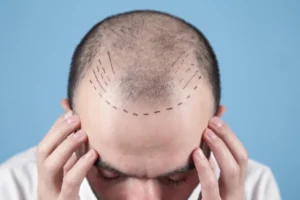
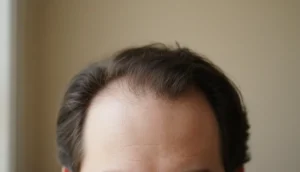
A receding hairline describes the gradual movement of the frontal hairline backward toward the crown, creating a more pronounced forehead. This pattern is most commonly associated with androgen‑dependent hair loss, but it can also stem from genetics, stress, nutritional deficiencies, or certain medical conditions.
Key characteristics include:
- Thinning at the temples, often forming an M‑shaped pattern.
- Loss of density along the hairline while the crown remains relatively full.
- Potential development of a “widow’s peak” that becomes more accentuated.
It is important to differentiate a receding hairline from a natural widow’s peak, which is a hereditary V‑shaped hairline that remains stable over time. While a widow’s peak is a static feature, a receding hairline shows progressive loss.
Common causes include:
- Genetic predisposition (family history of male or female pattern baldness).
- Hormonal changes, especially elevated dihydrotestosterone (DHT) levels.
- Chronic stress or traumatic events that trigger telogen effluvium.
- Nutrient deficiencies, particularly iron, zinc, and vitamin D.
- Medical treatments such as chemotherapy or certain antidepressants.
Understanding these factors helps answer the question what does receding hairline mean for each individual, guiding personalized prevention and treatment strategies.
How to Recognize Early Signs of a Receding Hairline
Identifying a receding hairline early can dramatically improve treatment outcomes. Look for these visual cues during regular self‑examinations or when you notice changes after a haircut.
| Indicator | Normal Hairline | Receding Hairline |
|---|---|---|
| Temple density | Full, consistent coverage | Noticeable thinning or bald patches |
| Hairline shape | Straight or gentle curve | Formation of an M‑shape or widening of the forehead |
| Hair shedding | Minimal daily loss (50‑100 strands) | Increased shedding, especially after washing |
Additional warning signs include:
- Sudden increase in hair loss after a stressful event.
- Visible scalp through the hair at the front.
- Complaints of “bad hairline” from friends or family.
For women, a receding hairline may present as a widening part or thinning along the frontal area, often described as “female receding hairline” or “frontal baldness.” Early detection allows for interventions such as topical minoxidil, low‑level laser therapy, or lifestyle adjustments before the pattern becomes more pronounced.
Common Myths and Misconceptions About Hairline Changes
Misunderstanding the nature of a receding hairline can lead to ineffective or harmful attempts to “fix” it. Below are some prevalent myths and the facts that dispel them.
Myth 1: A receding hairline is irreversible.
While advanced balding may be challenging, many cases—especially early‑stage recession—respond well to treatments like finasteride, minoxidil, or modern hair transplant techniques (FUE, DHI). Clinical studies show significant regrowth in up to 70% of patients who start therapy within the first two years of recession.
Myth 2: Shaving the head will make the hair grow back thicker.
Hair thickness is determined by follicle size, not length. Shaving does not alter the underlying biology; it merely provides a uniform look while treatment takes effect.
Myth 3: Only men experience a receding hairline.
Women can also develop a frontal thinning pattern, often referred to as “female hairline recession.” Hormonal shifts during menopause, thyroid disorders, or chronic stress are common triggers.
Myth 4: Using more shampoo will prevent recession.
Excessive washing can strip natural oils, leading to dryness and breakage, but it does not prevent follicular miniaturization caused by DHT. A balanced cleansing routine is recommended.
By clearing these misconceptions, you can make informed decisions and avoid costly, ineffective remedies.
Treatment Options for a Receding Hairline
When the question what does receding hairline mean evolves into a desire for restoration, several evidence‑based options are available. The choice depends on the stage of recession, gender, budget, and personal preferences.
- Topical Minoxidil – Over‑the‑counter solution that stimulates blood flow to follicles; most effective in early stages.
- Oral Finasteride – Prescription medication that reduces DHT production; suitable for men, with monitoring for side effects.
- Low‑Level Laser Therapy (LLLT) – Non‑invasive light treatment that promotes cellular activity in the scalp.
- Platelet‑Rich Plasma (PRP) – Autologous injection that delivers growth factors to dormant follicles.
- Hair Transplant Surgery – Permanent solution using FUE (Follicular Unit Extraction) or DHI (Direct Hair Implantation) techniques.
Below is a comparison of surgical versus non‑surgical approaches:
| Method | Effectiveness | Recovery Time | Cost (USD) |
|---|---|---|---|
| Minoxidil | Moderate (maintains existing hair) | None | 30‑60 per month |
| Finasterid | High (halts progression) | None | 70‑150 per month |
| PRP | Variable (30‑50% improvement) | 1‑2 days | 500‑1500 per session |
| FUE / DHI Transplant | Very High (permanent growth) | 7‑10 days | 2000‑8000 depending on graft count |
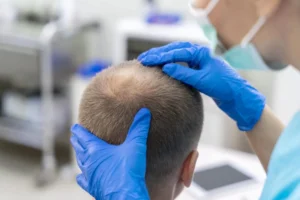
For patients seeking a permanent, natural‑looking solution, the FUE and DHI methods performed at Gold City Hair provide high graft survival rates, minimal scarring, and rapid recovery. Our team conducts a thorough assessment to determine the optimal graft density and placement, ensuring the restored hairline blends seamlessly with existing hair.
Lifestyle Changes to Support Hair Health
Medical interventions work best when paired with healthy habits that nurture the scalp environment. Consider integrating the following practices into your daily routine:
- Balanced Nutrition – Include protein‑rich foods, omega‑3 fatty acids, and micronutrients like biotin, iron, and zinc.
- Stress Management – Practice mindfulness, yoga, or regular exercise to lower cortisol levels that can exacerbate hair loss.
- Scalp Hygiene – Use a gentle, sulfate‑free shampoo and avoid excessive heat styling.
- Avoid Smoking – Tobacco constricts blood vessels, reducing nutrient delivery to hair follicles.
- Regular Check‑ups – Monitor hormonal levels and thyroid function, especially if you notice sudden changes.
While these adjustments alone may not reverse a pronounced recession, they create a supportive foundation for any treatment you pursue, enhancing graft survival after a transplant and improving overall hair density.
Why Choose Gold City Hair for Hairline Restoration
Gold City Hair combines more than a decade of expertise with cutting‑edge FUE and DHI technologies to deliver natural, lasting results. Our personalized consultations ensure that every treatment plan addresses the unique pattern and cause of your receding hairline. With transparent communication, a dedicated medical team, and a commitment to patient comfort, we help you regain confidence and a youthful appearance.
Ready to take the next step? Contact Gold City Hair today to schedule a confidential consultation and discover the most effective solution for your receding hairline.
Experience a personalized treatment plan, advanced transplant techniques, and the confidence of a restored hairline.
SSS
What does a receding hairline indicate?
A receding hairline often signals the early stages of androgen‑dependent hair loss, but it can also result from stress, nutrition deficits, or medical conditions.
How can I tell if my hairline is receding early?
Look for thinning at the temples, an emerging M‑shape, and increased shedding compared to normal daily hair loss.
Are there effective non‑surgical treatments for a receding hairline?
Yes, topical minoxidil, oral finasteride, low‑level laser therapy, and PRP injections are proven non‑surgical options.
Can a hair transplant permanently restore a receding hairline?
Yes, modern FUE and DHI hair transplant techniques provide permanent, natural‑looking restoration when performed by experienced surgeons.
What lifestyle changes support hairline health?
Balanced nutrition, stress management, gentle scalp care, avoiding smoking, and regular health check‑ups help maintain a healthy hairline.
Is a receding hairline reversible for women?
Women can experience improvement with early treatment, especially using minoxidil, hormonal therapy, and lifestyle adjustments.