Will transplanted hair grow? This is the first question many patients ask when considering a hair transplant, and the answer is a confident “yes” when the procedure is performed correctly and followed by proper after‑care. Understanding the biology behind hair follicles, the stages of growth, and the variables that affect outcomes helps set realistic expectations and boosts confidence in the journey toward natural‑looking results.
Hair loss affects millions worldwide, with studies showing that up to 40 % of men begin to notice thinning by age 30. For many, the prospect of restoring a full head of hair is not just about appearance—it’s about regaining self‑esteem and personal comfort. Modern techniques such as Follicular Unit Extraction (FUE) and Direct Hair Implantation (DHI) have revolutionized the field, offering minimally invasive solutions with high survival rates for grafts.
In this article we will explore the scientific principles that govern hair growth after transplantation, outline the typical timeline you can expect, discuss the key factors that influence success, debunk common myths, and provide practical after‑care tips. Whether you are contemplating your first procedure or seeking reassurance after surgery, the information below will guide you through every stage of the process.
The Science Behind Hair Growth After Transplant
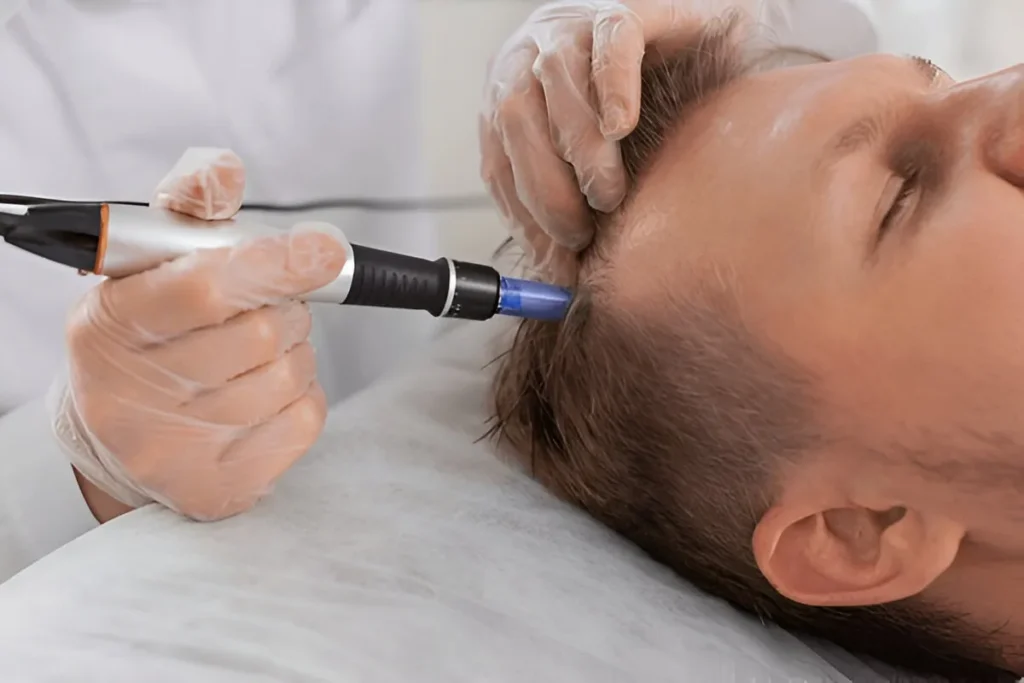
When a hair transplant is performed, individual follicles are harvested from a donor area—usually the back of the scalp—where hair is genetically resistant to balding. These follicles contain stem cells that retain the ability to produce new hair shafts. After extraction, each follicle is meticulously implanted into tiny incisions in the recipient zone, aligning with the natural direction of existing hair.
The transplanted follicles enter a resting phase called telogen before they shift to the anagen (growth) phase. During the first weeks, the grafts may appear thin or even shed; this is a normal part of the cycle known as “shock loss.” Within three to four months, the follicles begin to generate new hair, and visible density typically improves significantly by the twelve‑month mark.
Two of the most popular techniques—FUE and DHI—differ mainly in how the grafts are placed. FUE involves extracting follicles with a micro‑punch and then manually placing them, while DHI uses a specialized implantation pen that allows for precise depth control, often improving graft survival. Both methods aim to minimize trauma to the follicle and surrounding tissue, thereby enhancing the likelihood that transplanted hair will grow robustly.
Typical Timeline: When to Expect New Hair to Appear
Patients often wonder, “how long after a hair transplant will my hair grow?” While individual experiences vary, a general timeline can be outlined as follows:
- Weeks 1‑2: Scalp healing, minimal visible change.
- Weeks 3‑4: Shedding of transplanted hairs (shock loss).
- Months 3‑4: Early signs of new growth appear as fine, soft hairs.
- Months 6‑9: Hair thickens, providing noticeable improvement.
- Month 12: Full maturation of grafts, achieving optimal density.
Patience is essential; the majority of permanent growth is observed after the first year. Some patients may see continued thickening up to 18 months, especially when using the DHI method, which can promote a more rapid establishment of the growth phase.
Factors That Influence Successful Hair Growth
Several variables determine whether transplanted hair will grow as expected. Understanding these factors helps patients and surgeons optimize outcomes.
| Factor | Impact on Growth | Optimization Tips |
|---|---|---|
| Donor Hair Quality | Higher density and healthy follicles increase graft survival. | Choose a reputable clinic with experienced technicians. |
| Scalp Health | Inflammation or infection can impede graft integration. | Maintain proper hygiene and follow pre‑operative instructions. |
| Genetik | Underlying genetic predisposition affects long‑term hair stability. | Discuss family history with your surgeon to set realistic goals. |
| Post‑Procedure Care | Adherence to medication and activity restrictions boosts success. | Follow the prescribed recovery timeline diligently. |
Additional considerations include smoking status, nutritional balance, and the use of certain medications that may affect blood flow to the scalp. Patients who abstain from smoking and maintain a diet rich in vitamins A, D, E, and biotin typically experience better graft survival.
Common Concerns and Myths About Transplanted Hair
Because hair restoration is a high‑impact cosmetic procedure, myths often circulate, creating confusion. Below are some of the most frequent concerns and the factual responses:
- Myth: “Hair plugs are the only option.” Fact: Modern FUE and DHI techniques use individual follicular units, not large plugs, resulting in a natural appearance.
- Myth: “Transplanted hair will fall out like natural hair.” Fact: Grafts retain the characteristics of the donor site, making them resistant to typical pattern baldness.
- Myth: “The procedure is painful and requires long downtime.” Fact: With local anesthesia and minimally invasive methods, most patients resume normal activities within a few days.
- Myth: “Results are immediate.” Fact: As noted in the timeline, visible growth takes several months.
Addressing these myths helps patients set realistic expectations and reduces anxiety, ultimately supporting the healing process.
Post‑Procedure Care Tips to Maximize Growth
Proper after‑care is crucial for ensuring that transplanted hair will grow optimally. Follow these guidelines to support graft survival and accelerate the healing process:
- Gentle Cleansing: Use a mild, sulfate‑free shampoo after the first 48 hours, applying it lightly with fingertips rather than scrubbing.
- Medication Adherence: Take prescribed antibiotics and anti‑inflammatory drugs as directed to prevent infection and reduce swelling.
- Avoid Direct Sun Exposure: Wear a loose hat or use sunscreen (SPF 30+) for the first few weeks to protect the scalp from UV damage.
- Limit Physical Activity: Refrain from heavy exercise, especially activities that cause excessive sweating, for at least 10‑14 days.
- Nutrition and Hydration: Consume a balanced diet rich in proteins, omega‑3 fatty acids, and vitamins to promote follicle health.
- Follow-Up Visits: Attend scheduled appointments to monitor progress and address any concerns early.
By adhering to these steps, patients can significantly improve the chances that their transplanted hair will grow thick and healthy, delivering the confidence they seek.
Why Choose Gold City Hair for Your Hair Restoration
Gold City Hair has been delivering personalized hair restoration solutions in Turkey since 2017. Our clinic specializes in advanced FUE ve DHI techniques, offering precise graft placement and a high survival rate. We prioritize transparent communication, ensuring every patient understands the process, timeline, and expected outcomes. With a dedicated team of experienced surgeons and a commitment to safety, Gold City Hair provides a supportive environment that helps you achieve lasting, natural‑looking results.
Ready to see if transplanted hair will grow for you? Contact Gold City Hair today to schedule a personalized consultation and start your journey toward renewed confidence.
Take the first step—our experts are here to guide you through every stage of the hair restoration process.
SSS
Will transplanted hair grow after a hair transplant?
Yes, transplanted hair will grow when the procedure is performed correctly and proper after‑care is followed.
How long does it take for transplanted hair to start growing?
New hair usually appears around 3‑4 months after the transplant.
What factors affect the success of hair transplant growth?
Donor hair quality, scalp health, genetics, after‑care, and lifestyle choices all influence outcomes.
What is shock loss and is it normal after a transplant?
Shock loss is temporary shedding of transplanted hairs and is a normal part of the healing cycle.
How should I care for my scalp after a hair transplant?
Use gentle cleansing, follow medication instructions, avoid sun and heavy exercise, and maintain a healthy diet.
Why is Turkey a popular destination for hair restoration?
Turkey offers experienced clinics, advanced techniques, and competitive pricing, making it a leading hub for hair transplants.