Are you seeing a receding hairline, thinning at your crown, or more hair falling out? These signs of male pattern baldness hit millions of men worldwide. About 25% of men start losing hair before they’re 21. Spotting these signs early is key to managing them well.
Learn how to tell if your going bald with these expert tips. Spot the early warnings and start a treatment plan to stop hair loss today.
Male pattern baldness, also known as androgenetic alopecia, is the top hair loss issue for men. It can start at any age, but it’s often seen in the 30s and 40s. It’s caused by genetics, hormones, or health issues.
Knowing the early signs of male pattern baldness is vital for acting fast. At gold city hair, we offer full, honest healthcare. We use new solutions that fit your needs, helping you tackle hair loss with expert advice.
Key Takeaways
Early signs of male pattern baldness include a receding hairline and thinning at the crown.
Male pattern baldness affects millions of men worldwide.
Recognizing early signs is key for effective management.
Androgenetic alopecia is the most common form of hair loss in men.
Genetics and hormonal factors are the main causes of hair loss.
Understanding Male Pattern Baldness
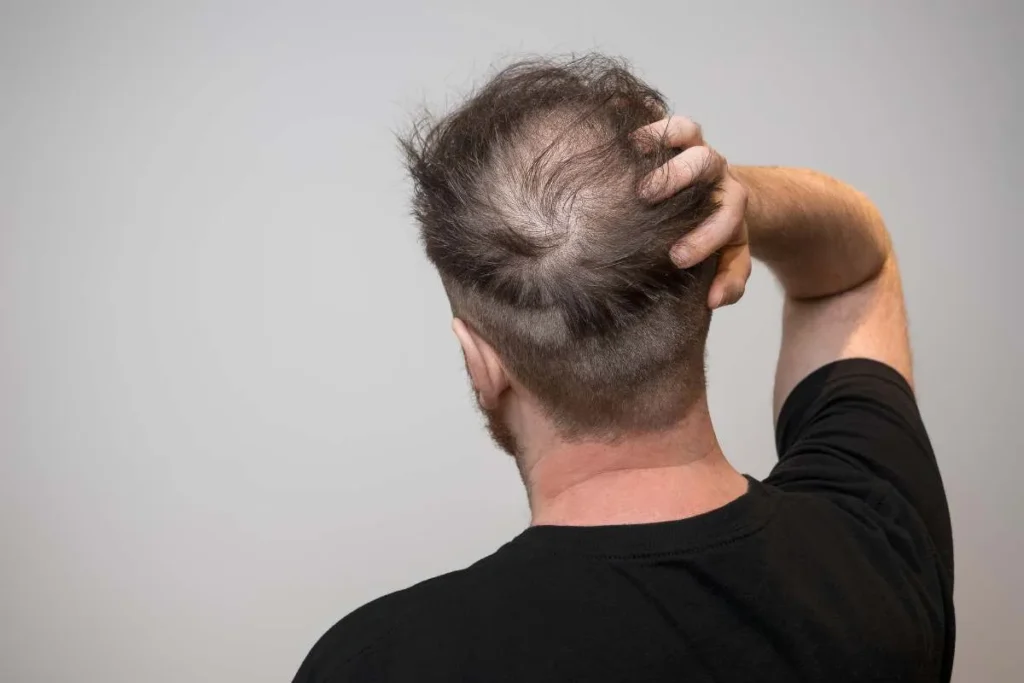
It’s key to know the causes and signs of male pattern baldness early. This condition affects many men and can hurt their self-esteem and confidence.
What Is Androgenetic Alopecia?
Androgenetic alopecia, or male pattern baldness, is a genetic hair loss condition. It makes hair thin on the scalp because of a hormone change. This hormone, DHT, shrinks hair follicles.
Regaining your confidence begins with knowing why you’re losing hair. Androgenetic alopecia can be treated with the right care.
Statistics on Male Hair Loss by Age
Hair loss stats show a clear trend in men. Here are some important numbers:
These numbers highlight how common male pattern baldness is. It’s vital to get professional help early.
How to Tell If You’re Going Bald: Key Indicators
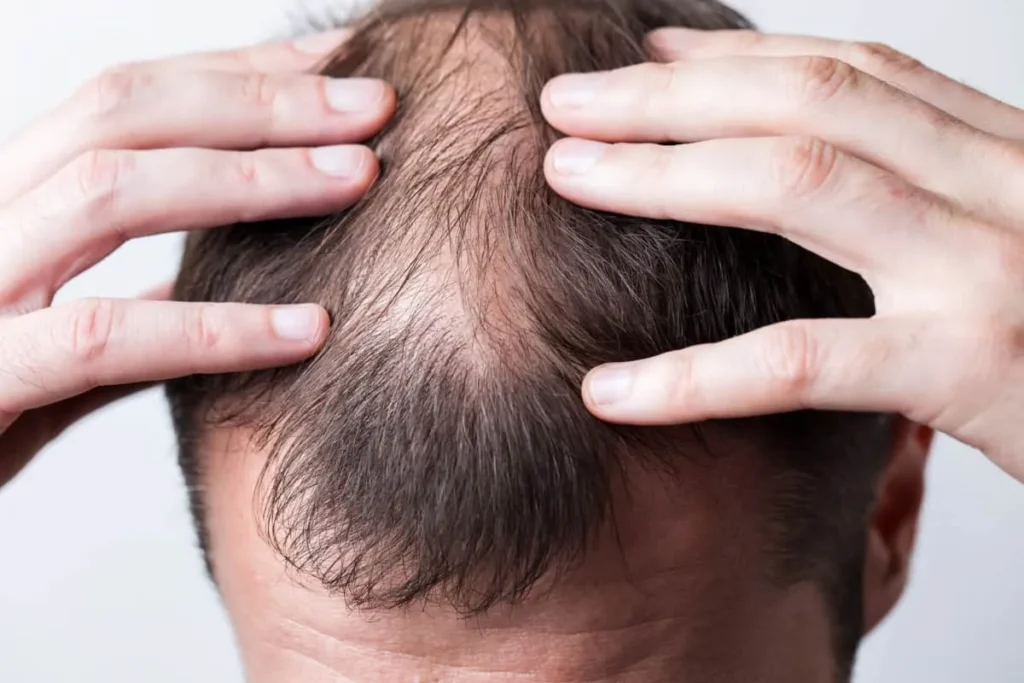
Knowing the signs of balding can help you act early. Balding shows up in different ways. Spotting these signs early can make a big difference.
Receding Hairline Patterns
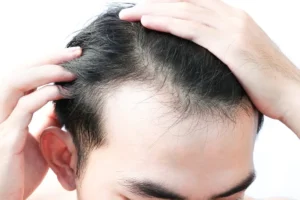
A receding hairline is common in men. It looks like an M at the temples. Androgenetic alopecia, or male pattern baldness, often causes it.
By 50, over 50% of men have hair loss, says the American Hair Loss Association. Catching a receding hairline early is key.
Crown Thinning Signs
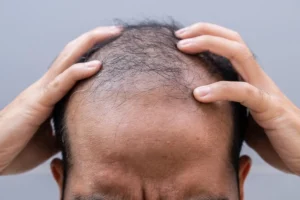
Crown thinning means hair gets thinner at the top. This area is prone to balding because of DHT, a testosterone byproduct.
Increased Hair Shedding
More hair falling out is a balding sign. Losing some hair daily is normal. But too much can mean a problem. Stress, hormonal changes, and genetics can lead to more shedding.
Medical Expert, Hair Restoration Specialist
Regaining confidence is possible with the right steps. Knowing the signs of balding and getting help can lead to treatments. This includes hair restoration and personalized care plans.
Subtle Early Warning Signs of Balding
Balding can start with small changes. Catching these early signs can help you act fast. These signs are often missed, but knowing them can help fight hair loss.
Changes in Hair Part Width
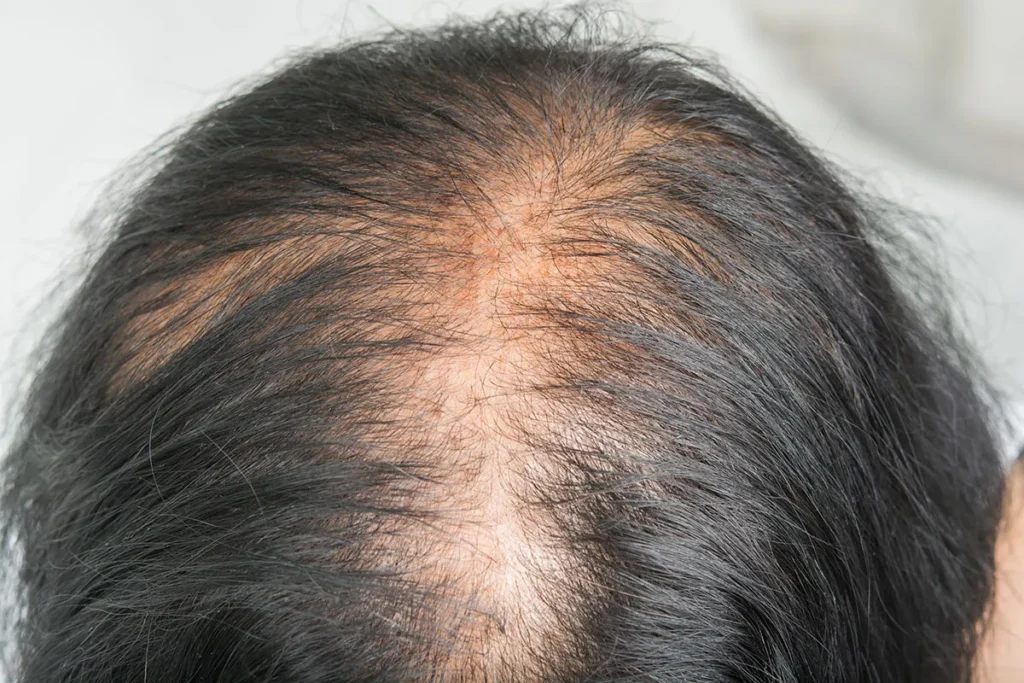
One early sign is a wider hair part. If your part is getting wider, you might be losing hair. This happens because the hair on each side of the part is thinning, showing more scalp.
Key indicators to watch for are:
A wider gap between your hair
More scalp showing
Thinning hair at the crown
Hair Texture Transformation
Another sign is a change in hair texture. If your hair feels finer or breaks easily, it might be shrinking. This could mean your hair will grow thinner and shorter.
Common changes include:
Hair becoming softer and less dense
More breakage or shedding
Changes in hair color or texture
Scalp Visibility Changes
As balding gets worse, your scalp shows more, even when your hair is dry. If you see more scalp, your hair is thinning.
Scalp visibility can be due to:
Genetic hair loss
Hormonal changes
Aging
Genetic and Hormonal Factors
Genetics and hormones affect balding. If your family loses hair, you might too. Hormonal shifts, like more DHT, can shrink hair follicles.
Understanding these factors helps fight balding:
Conclusion: Taking Action Against Early Baldness
Knowing the early signs of balding is key to fighting it. If you’re worried about going bald, spotting the first signs is important. This helps you take action early.
There are many ways to fight early baldness. Treatments like minoxidil, laser therapy, and hair transplants can help. They can stop hair loss and even grow new hair. New treatments, like stem cell therapy, might also help.
Starting to feel better about your hair loss begins with understanding it. By taking action, you can fight baldness and reach your hair goals. With the right treatment and care plan, you can feel confident again and have a fuller head of hair.
FAQ
What are the early signs of balding?
Early signs include receding hairline, thinning at the crown, wider parting, and excessive hair shedding.
How do I know if I’m going bald?
Look for consistent hair loss, visible scalp in certain areas, and changes in hair density over time.
What is androgenetic alopecia?
Androgenetic alopecia is genetic hair loss caused by sensitivity to the hormone DHT, leading to patterned thinning in men and women.
Can I stop balding if I catch it early?
Early intervention with topical or oral treatments can slow or partially prevent further hair loss.
How does hair restoration work?
Hair restoration involves transplanting healthy hair follicles from donor areas to thinning or bald areas for natural growth.
Is hair restoration painful?
The procedure is done under local anesthesia, so discomfort is minimal, though mild soreness may occur during recovery.
What are the benefits of hair restoration?
Benefits include restored hair density, improved appearance, boosted confidence, and long-lasting results.
How can I determine if I’m a good candidate for hair restoration?
A consultation with a hair specialist will assess your donor hair, hair loss pattern, and overall health to determine suitability.
References
National Center for Biotechnology Information. Evidence-Based Medical Insight. Retrieved from https://pubmed.ncbi.nlm.nih.gov/9865198/[1