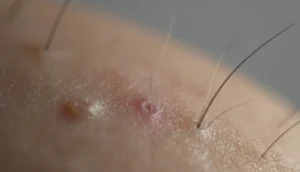

Itchy skin, or pruritus, can be linked to many health issues, including cancer. It’s often seen as a minor problem. But, new studies show that constant itching might mean there’s a serious health issue to look into.
Having itchy skin no rash? Discover 5 crucial warning signs that could indicate underlying health issues and when you should see a doctor.
A big study with 16,925 patients found something important. Those with itchy skin were 5.76 times more likely to have cancer than those without it. This link between itching and cancer is key for catching and treating it early.
At Gold City Hair, we know how important it is to check symptoms that don’t go away. We focus on expert transparency and personalized care. This way, our patients get the care they really need.
Key Takeaways
Itchy skin can be a symptom of underlying cancer.
A significant study found a link between pruritus and malignancy.
Patients with itchy skin were 5.76 times more likely to have cancer.
Early detection and treatment are key for cancers linked to itching.
Checking symptoms that don’t go away is essential.
Understanding the Connection Between Itchy Skin and Cancer

Itching, or pruritus, is more than just a skin problem. It can signal serious health issues, including some cancers. This condition affects not just the skin but can be linked to various cancers.
What is Pruritus and Its Clinical Significance
Pruritus is a strong itching feeling that can really affect someone’s life. It’s not just annoying; it’s a sign that needs medical attention. This is true if the itching doesn’t go away or comes with other illness signs.
Clinical Significance of Pruritus: Pruritus can point to many health problems, like skin diseases, systemic diseases, and cancers. Its importance is in being an early sign of serious health issues.
Statistical Link Between Itching and Malignancy
Studies have found a link between itching and some cancers. For example, a study showed that itching is common in patients with certain cancers.
It’s important for both patients and doctors to understand the link between itchy skin and cancer. Seeing pruritus as a sign of cancer can help catch it early and treat it sooner.
When Itchy Skin No Rash Could Signal Cancer
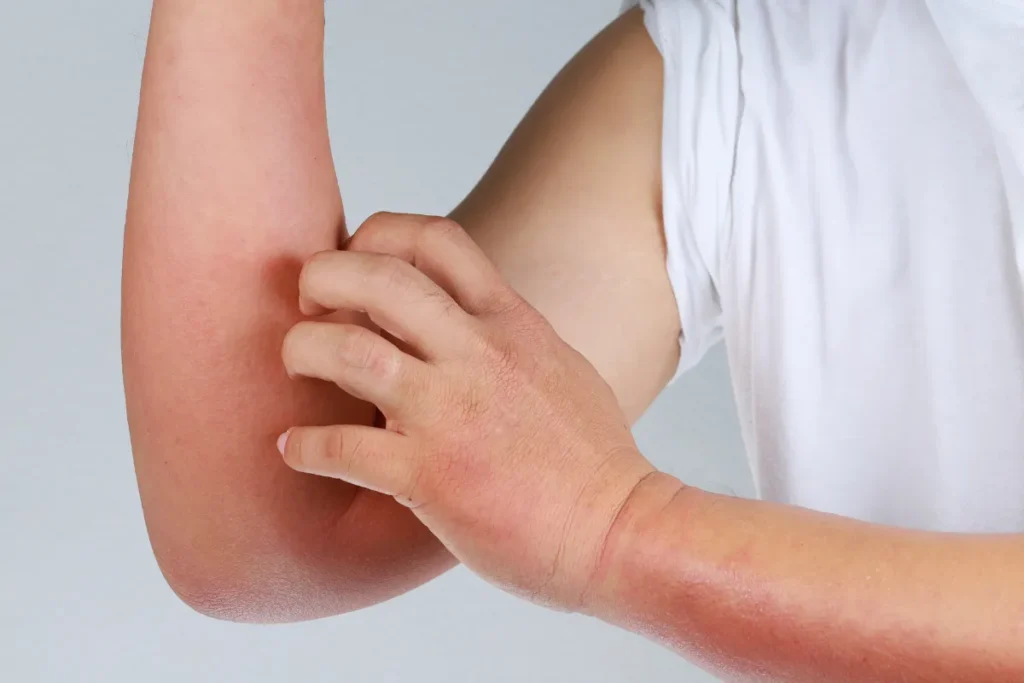
Itchy skin without a rash could mean something serious. It’s important to think about cancer as a possible cause. Systemic itching, or itching without skin changes, is hard to diagnose. Yet, it’s a symptom linked to several cancers.
Systemic Itching Without Visible Skin Changes
Systemic itching can stem from internal diseases. In cancer cases, it’s a paraneoplastic symptom. This means the body reacts to the cancer, not the cancer itself.
Certain cancers are more likely to cause itching without a rash. For example, lymphomas and leukemias can cause widespread itching. The exact reason is unclear, but it’s thought that cancer cells release substances that irritate nerves, causing itching.
Warning Signs That Differentiate Cancer-Related Itching
Itching can have many causes, but some signs point to cancer. Look out for:
Persistence and severity: Itching that lasts a long time and is very bad, and doesn’t get better with usual treatments.
Accompanying symptoms: Symptoms like night sweats, weight loss, or feeling very tired, which can happen with itching.
Generalized itching: Itching all over the body, not just in one spot.
Knowing the link between itchy skin and cancer is key. If you have persistent or severe itching without a rash, see a doctor. Early treatment can make a big difference.
Types of Cancer Associated with Skin Itching
Cancer can make your skin itch in different ways. Knowing which cancers do this helps find problems early and treat them better.
Blood Cancers: Lymphomas and Leukemias
Blood cancers like lymphomas and leukemias can make you itch. Hodgkin lymphoma often starts with severe itching. This itching can spread all over or stay in one place, with other symptoms too.
Lymphomas: Itching can be a main symptom, more so in later stages.
Leukemias: Some types, like chronic lymphocytic leukemia, cause itching because of bile salts.
Skin Cancers and Their Itching Patterns
Skin cancers, like melanoma and others, can itch at the tumor site. This itching comes from the tumor growing, ulcerating, or the body fighting it.
Melanoma: Itching happens as melanoma grows deeper into the skin.
Non-melanoma skin cancers: Basal cell and squamous cell carcinomas itch, mainly if they ulcerate.
Internal Cancers That Cause Itching
Internal cancers, like pancreatic and liver cancer, itch due to cholestasis or bile salts. Other cancers, like prostate cancer, itch too, possibly from spreading or treatment side effects.
Pancreatic cancer: Itching is a symptom from bile duct blockage.
Liver cancer: Cholestasis causes itching, a common problem.
Prostate cancer: Advanced prostate cancer can itch, possibly from spreading or hormone treatments.
Conclusion: When to Seek Medical Attention
Itchy skin can be more than just a nuisance; it could be a sign of an underlying health issue, including cancer. Understanding when to seek medical attention is key for early diagnosis and treatment.
If you’re experiencing persistent or severe itching, it’s important to see a healthcare professional. They will check your symptoms to see if there’s an underlying condition that needs attention.
Could itching be a sign of cancer? Yes, in some cases. Itching can be linked to various cancers, like blood cancers, skin cancers, and internal cancers. If you notice unusual or persistent itching, don’t hesitate to seek medical evaluation.
Being vigilant about your body’s signals and seeking timely medical advice can make a big difference in your health outcomes. Empower yourself with knowledge and take proactive steps towards your well-being.
FAQ
What is pruritus, and how is it related to cancer?
Pruritus is medical term for itching. In some cases, persistent or unexplained itching can be a sign of internal cancers or blood disorders.
Can itchy skin be a sign of skin cancer?
Itching can occur with certain skin cancers, especially if a lesion is growing, irritated, or inflamed, but most itchy skin is not cancer-related.
What types of blood cancers are associated with itchy skin?
Hodgkin lymphoma, non-Hodgkin lymphoma, and some leukemias can cause systemic itching.
How do internal cancers cause itching?
They may release chemical mediators, hormones, or bile salts into the bloodstream, triggering nerve endings that cause itch.
What are the warning signs that differentiate cancer-related itching from other causes?
Warning signs include persistent itching without rash, night-time itching, unexplained weight loss, swollen lymph nodes, or fatigue.
When should I seek medical attention for itchy skin?
See a doctor if itching is persistent, unexplained, severe, or accompanied by other symptoms like lumps, weight loss, or night sweats.
Can systemic itching occur without any visible skin changes?
Yes, internal cancers or liver/kidney issues can cause itching without any visible rash.
What cancers are most commonly linked to itchy skin?
Itching is most commonly associated with Hodgkin lymphoma, non-Hodgkin lymphoma, leukemia, and sometimes liver or pancreatic cancers.
References
National Center for Biotechnology Information. Evidence-Based Medical Insight. Retrieved from https://pmc.ncbi.nlm.nih.gov/articles/PMC6907086/