
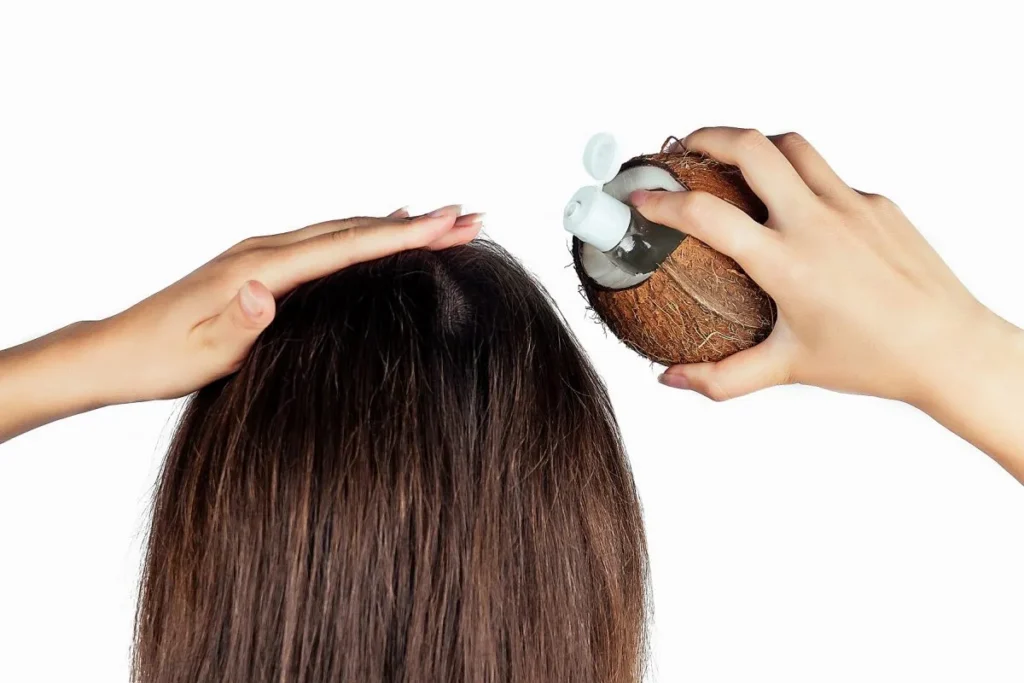
Get back your confidence with beautiful hair using coconut oil for hair. Studies show coconut oil keeps hair soft, shiny, and healthy. It’s made from pressing fresh or dried coconut ‘meat,’ with lauric acid as its main fat. This acid keeps moisture in and makes your hair shine.
Using coconut oil as a heat protectant can stop damage from styling tools. It also makes your hair silky and healthy. Knowing how to use coconut oil on hair is key to getting the most out of it, whether your hair is damaged or you just want to keep it healthy.
Key Takeaways
Coconut oil reduces protein loss in damaged and undamaged hair.
Lauric acid in coconut oil retains moisture and adds shine.
Using coconut oil as a heat protectant prevents damage.
Coconut oil promotes silky, healthy hair.
Understanding how to use coconut oil on hair maximizes its benefits.
The Science Behind Coconut Oil’s Hair Benefits
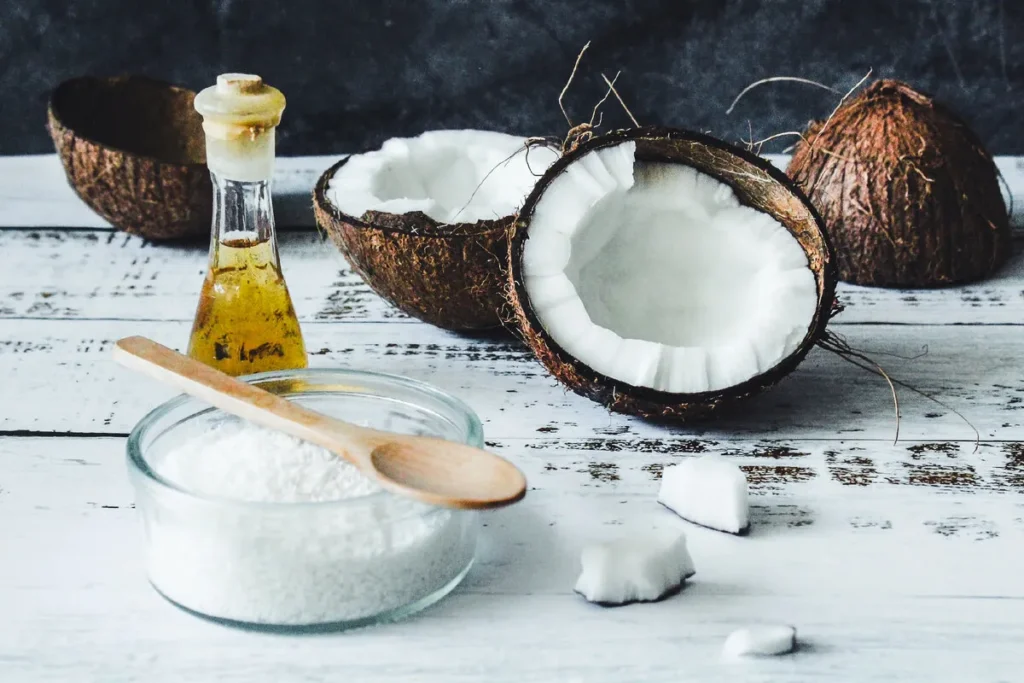
Coconut oil’s benefits for hair are rooted in its unique makeup. It interacts with hair in ways that boost its health.
Coconut oil is packed with lauric acid. This fatty acid is small enough to deeply penetrate the hair shaft. This penetration is key to reducing protein loss and strengthening hair.
Preventing Protein Loss and Breakage
Studies show coconut oil cuts protein loss in damaged and undamaged hair by up to 40 percent. This is more than mineral and sunflower oils. Protein loss leads to hair breakage and frizz.
A study compared coconut oil, mineral oil, and sunflower oil on hair. Coconut oil was the clear winner in reducing protein loss. Its high lauric acid content is the reason.
How Lauric Acid Penetrates the Hair Shaft
Lauric acid’s ability to deeply penetrate the hair shaft is unique. This penetration nourishes the hair from within. It reduces breakage and boosts overall hair health.
Understanding coconut oil’s molecular effects helps in choosing the right hair care. Adding coconut oil to your routine can greatly improve hair strength and look.
The Best Coconut Oil for Hair: Selection Guide
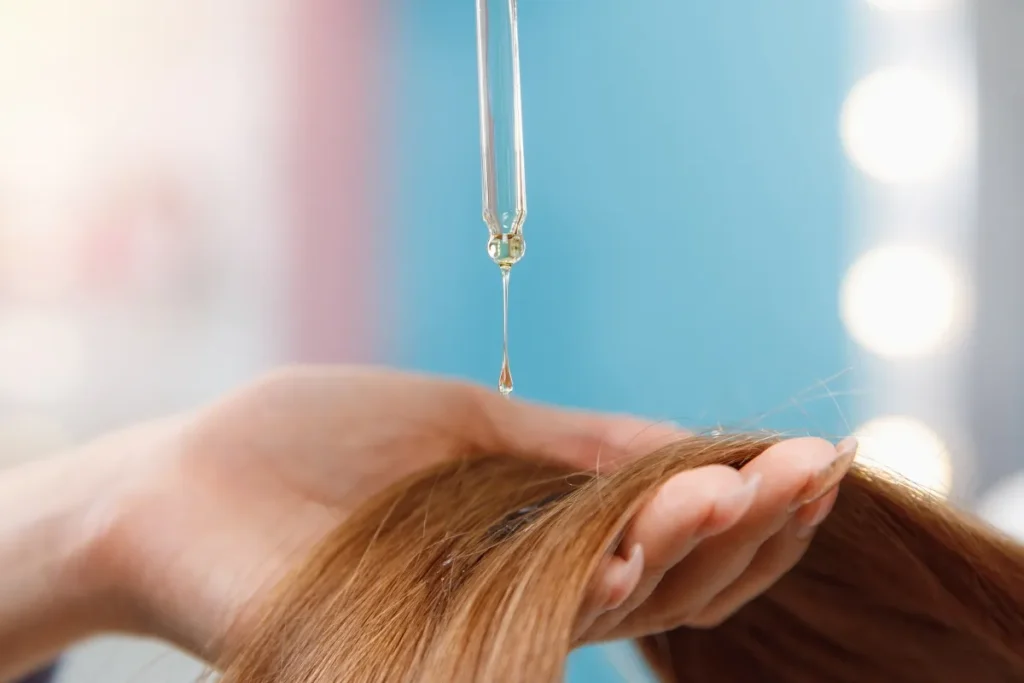
The quality and processing of coconut oil greatly affect its hair care benefits. Picking the right type can significantly improve your hair’s health and nourishment.
Virgin vs. Refined Coconut Oil
The choice between virgin and refined coconut oil is key in hair care. Virgin coconut oil is better because it’s processed less. This keeps more of its natural nutrients and smell.
Virgin coconut oil comes from fresh coconuts and is less processed. This makes it a top pick for hair care. Refined coconut oil, though good, might have fewer nutrients because of its processing.
Organic and Cold-Pressed Options
Opt for organic and cold-pressed coconut oil for the best results. Organic coconut oil is grown without harmful chemicals. Cold-pressed oil keeps more nutrients because it’s extracted mechanically.
What to Look for on Labels
When picking coconut oil for hair, read labels well. Look for “virgin,” “organic,” and “cold-pressed.” Stay away from products with additives or chemicals. Here’s a comparison table to guide you:
Choosing the right coconut oil maximizes its hair benefits. Always go for high-quality, virgin, organic, and cold-pressed coconut oil for the best results.
Application Techniques for Maximum Benefits
To get the most out of coconut oil for your hair, you need to apply it right. Knowing how to use coconut oil can make your hair care routine better. This way, you can get the best results for your hair type.
Pre-Shampoo Treatment Method
Using coconut oil as a pre-shampoo treatment protects your hair from shampoo damage. Apply a lot of coconut oil to your hair, focusing on the ends. These are usually the driest. Leave it on for at least 30 minutes before washing with a gentle shampoo.
This method helps prevent protein loss and breakage. It’s great for dry or damaged hair.
Overnight Deep Conditioning
For a deep conditioning treatment, apply coconut oil to your hair and leave it on overnight. Use a shower cap or a warm towel to help it penetrate better. Wash it out with a mild shampoo in the morning.
This overnight deep conditioning treatment makes your hair soft, shiny, and easy to manage.
Leave-in Treatment for Frizz Control
Coconut oil can also be used as a leave-in treatment to control frizz and add shine. Apply a small amount to the ends of your hair. Work it up to the roots if needed. This smooths the hair cuticle, reduces frizz, and makes your hair easier to manage.
Application Frequency by Hair Type
How often you apply coconut oil depends on your hair type. If you have dry, curly, or thick hair, use it two to three times a week. If you have oily hair, use it once a week or less, depending on your hair’s response.
It’s important to adjust the frequency to avoid greasiness and weigh-down.
By using these application techniques, you can make the most of coconut oil. This will help you achieve healthier, more manageable hair.
Conclusion
Using coconut oil for hair care can be a game-changer. It helps improve hair health and look. Coconut oil prevents protein loss and breakage, and it nourishes and moisturizes the hair shaft.
Coconut oil benefits many hair types. By picking the right coconut oil and using it right, you can see big improvements. It makes hair smooth and promotes healthy growth.
Adding coconut oil to your hair care routine boosts your confidence. It makes your hair look luscious and healthy. Coconut oil deeply nourishes the hair shaft, making it a great choice for a better hair care routine.
FAQ
How often should I use coconut oil on my hair?
For most people, using coconut oil as a deep conditioning treatment once a week is sufficient to provide moisture without causing excessive buildup. If you have extremely dry or damaged hair, you might increase this to twice a week, but it is important to monitor how your hair responds. Overusing coconut oil can lead to a protein buildup effect, where the hair becomes stiff and brittle because the oil prevents other forms of moisture from penetrating the hair shaft.
Is coconut oil bad for certain hair types?
Coconut oil is not ideal for all hair types, particularly those with low-porosity hair or hair that is very fine. Because coconut oil is rich in lauric acid and has a high affinity for hair proteins, it can fill the gaps in the hair cuticle too effectively, making low-porosity hair feel straw-like or greasy. Additionally, those with coarse or protein-sensitive hair may find that coconut oil makes their strands feel stiffer rather than softer, as it can cause the hair’s natural proteins to pack together too tightly.
What type of coconut oil is best for hair?
The best type of coconut oil for hair care is organic, extra-virgin, unrefined coconut oil. This variety is extracted without the use of high heat or harsh chemicals, which preserves the natural antioxidants and fatty acids that benefit the scalp and hair. Refined coconut oil, while still moisturizing, often lacks these beneficial nutrients and may contain residual chemicals from the bleaching and deodorizing process that can irritate a sensitive scalp.
Can coconut oil be used as a heat protectant?
Coconut oil should not be used as a primary heat protectant for high-heat styling tools like flat irons or curling wands. Coconut oil has a relatively low smoke point of approximately 177°C, while many styling tools reach temperatures well above 200°C. If you apply the oil and then use high heat, you risk essentially “cooking” your hair strands, leading to severe thermal damage. While it can offer very mild protection against environmental heat or blow-drying on a low setting, a specialized heat protectant spray is a much safer choice for styling.
How much coconut oil should I use on my hair?
When it comes to coconut oil, a little goes a long way, and you should generally start with a teaspoon-sized amount for medium-length hair. It is best to melt the oil between your palms and apply it primarily to the mid-lengths and ends, where the hair is oldest and driest. Applying too much oil, especially near the scalp, can clog pores and make the hair very difficult to wash out, often requiring multiple rounds of shampooing which can end up stripping the hair of the very moisture you were trying to add.
Can I leave coconut oil in my hair overnight?
Leaving coconut oil in your hair overnight can be an effective way to deeply penetrate the hair shaft and provide maximum conditioning. To do this safely, you should wrap your hair in a silk scarf or a shower cap to protect your pillowcase and prevent the oil from spreading to your facial skin, which could cause breakouts. However, if you have a sensitive scalp or are prone to dandruff, leaving oil on for such a long period may trap bacteria and yeast, potentially leading to irritation or a flare-up of seborrheic dermatitis.
Is coconut oil effective for reducing frizz and promoting silky hair?
Coconut oil is highly effective at reducing frizz because its hydrophobic nature helps to seal the hair cuticle and block out external humidity. By creating a thin protective barrier, it prevents moisture from the air from entering the hair shaft and causing it to swell and frizz. For a silky finish, you can apply a tiny, pea-sized amount to dry hair to smooth down flyaways and add a natural-looking shine without the weight of synthetic silicone-based serums.
Can coconut oil help with hair breakage?
Coconut oil is one of the few oils scientifically proven to reduce protein loss in both damaged and undamaged hair. Because it can penetrate deep into the hair cortex rather than just sitting on the surface, it strengthens the internal structure of the strand and increases its elasticity. This makes the hair more resilient to the mechanical stress of brushing and styling, which significantly reduces the likelihood of breakage and split ends over time.
References
National Center for Biotechnology Information. Evidence-Based Medical Insight. Retrieved from https://pubmed.ncbi.nlm.nih.gov/12715094/





