

Lisinopril is a common drug for high blood pressure and heart failure. It has been linked to hair loss in some people. While it’s usually safe, some users worry about hair thinning.
Many people take lisinopril every day without problems. But, if you’re losing hair, knowing why is key.
At our trusted hair restoration center, we take medication-related hair loss seriously. Our team offers detailed checks and care plans. We aim to boost your confidence and meet your hair goals.
Key Takeaways
Understand the possible link between lisinopril and hair loss.
See why a full check is vital for medication worries.
Find hair restoration plans made just for you.
Learn how to tackle hair loss and feel better.
Discover the care and expertise at our hair restoration center.
Understanding Lisinopril and Its Primary Uses

Lisinopril is an ACE inhibitor that helps control hypertension and heart failure. It’s a key medication for heart health, bringing many benefits to those who take it.
What is Lisinopril?
Lisinopril is an angiotensin-converting enzyme (ACE) inhibitor. This class of drugs manages high blood pressure and heart failure. It works by relaxing blood vessels, which lowers heart pressure and boosts its pumping power.
Common Uses and Benefits
The main uses of lisinopril are for high blood pressure and heart failure. It helps prevent kidney damage, heart attacks, and strokes by controlling high blood pressure. It also improves life quality for those with heart issues.
Some major lisinopril benefits are:
Effective management of high blood pressure
Improved heart function in patients with heart failure
Reduced risk of cardiovascular events
It’s important for patients to understand lisinopril uses and benefits. Working with healthcare providers helps patients get the most from lisinopril while avoiding side effects.
Lisinopril Hair Loss: Evidence and Mechanisms
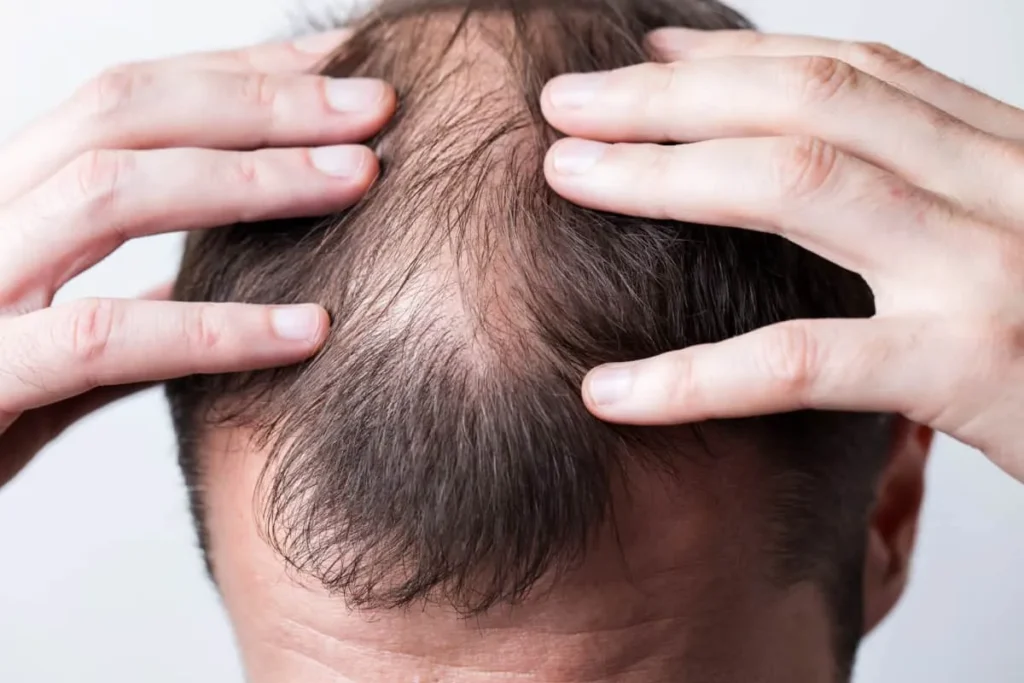
It’s important to understand how lisinopril might affect your hair. This medication is used to treat high blood pressure and heart failure. Some people have reported hair loss while taking it.
Clinical Evidence of Hair Loss as a Side Effect
Studies show that hair loss is a rare side effect of lisinopril. Official reports say less than 0.1% of users experience it. Doctors think it usually causes a temporary condition called telogen effluvium. This condition makes more hair fall out, often 2-3 months after starting the drug.
How Common is Hair Loss with Lisinopril?
Hair loss from lisinopril is rare, affecting less than 0.1% of users. Most people can take it without losing hair. But for those who do, it can be upsetting.
Timing: When Does Hair Loss Typically Begin?
Hair loss from lisinopril usually starts 2 to 3 months after starting treatment. This is because the drug changes the hair growth cycle. It makes more hairs than usual go into the resting phase before falling out.
The Mechanism Behind Lisinopril-Related Hair Loss
Lisinopril’s effect on hormone regulation is behind hair loss. It affects aldosterone and angiotensin II, which control hair growth cycles. By changing these hormone levels, lisinopril can disrupt hair growth, leading to more shedding. Knowing this can help patients and doctors find better ways to deal with hair loss.
Regaining confidence in your hair is possible. If you’re losing hair due to lisinopril, looking into other treatments or talking to a doctor can help. With expert transparency and personalized care, you can find tailored solutions for your hair loss. This way, you can get maximum results and feel better about your hair.
Managing and Preventing Hair Loss While Taking Lisinopril
Lisinopril-induced hair loss can be upsetting. But knowing how to manage it can lessen its effects. If you’re losing hair while taking lisinopril, it’s important to tackle the problem methodically.
When to Consult Your Doctor
First, talk to your doctor about hair loss. If you see a lot of hair falling out after starting lisinopril, don’t change anything without your doctor’s advice. They can tell if the hair loss is from the drug and suggest what to do next.
Tell your doctor about your health history and other meds you’re on. This helps figure out if the hair loss is from the drug. Your doctor might suggest a different blood pressure medicine or treatments to help your hair grow back.
Alternative Medications and Approaches
If lisinopril is causing your hair loss, your doctor might suggest a different drug. There are many blood pressure medicines, and finding the right one can really help. You might also need treatments to help your hair grow.
Places like the Limmer Hair Transplant Center use advanced technology and care tailored to you. They offer painless methods and custom solutions to help you feel better about your hair.
Recovery Timeline After Discontinuation
Fortunately, hair loss from lisinopril can be reversed. After stopping the drug, hair growth can start in 3 to 6 months. Knowing this can help you plan and make choices about your treatment.
Be patient and work with your doctor to track your progress. With the right help and support, you can get your confidence back and reach your hair goals.
Conclusion
For those taking lisinopril, worrying about hair loss is normal. Lisinopril might cause hair loss, but it’s usually mild, short-lived, and can be reversed. Most people on lisinopril don’t see any hair changes.
If hair loss happens, figuring out the cause and getting the right nutrients can help. Using safe, proven scalp treatments can also encourage hair growth. By understanding the reasons and taking the right steps, you can manage hair loss and keep your heart healthy.
Getting your hair back can make you feel confident again. With the right steps to manage and grow hair, you can have a fuller head of hair. Our award-winning hair transplant center is here to help, providing lasting results and luxury at a good price.
FAQ
Does lisinopril cause hair loss in women?
Yes, lisinopril can cause hair loss in women, though it is considered a rare side effect. It usually manifests as diffuse thinning across the entire scalp rather than localized bald spots, and women may notice increased shedding in their brushes or the shower drain after a few months of use.
How common is hair loss as a side effect of lisinopril?
Statistically, hair loss occurs in significantly less than 1% of patients taking lisinopril. While it is not a common reaction, the sheer number of people prescribed ACE inhibitors leads to a steady amount of anecdotal reports, making it seem more frequent than clinical trials suggest.
When does hair loss typically begin after starting lisinopril?
Hair shedding usually becomes noticeable 2 to 4 months after starting the medication or significantly increasing the dose. This delay occurs because the medication triggers a resting phase in the follicles, and it takes several weeks for those hairs to actually detach and fall out.
What is the mechanism behind lisinopril-related hair loss?
The primary mechanism is Telogen Effluvium. The medication acts as a systemic stressor that prematurely pushes a percentage of hair follicles from the active growth phase into the resting phase. It is not an attack on the follicle, but rather a disruption of the natural timing of the hair growth cycle.
Can discontinuing lisinopril reverse hair loss?
Yes, hair loss from lisinopril is almost always reversible. Once the medication is stopped (under a doctor’s guidance), the scalp usually returns to its normal cycle, and visible regrowth typically begins within 3 to 6 months.
Comparison of Related Medications
| Medication | Class | Hair Loss Risk |
| Lisinopril | ACE Inhibitor | Rare |
| Captopril | ACE Inhibitor | Rare |
| Entresto | ARNI | Very Rare |
| Losartan | ARB | Extremely Rare |
Does Entresto cause hair loss like lisinopril?
Entresto is very rarely associated with hair loss. Because it contains an ARB, it is often considered more hair-safe than older ACE inhibitors like lisinopril, though some rare individual sensitivities have been reported in post-marketing studies.
Can Captopril cause hair loss?
Yes, Captopril belongs to the same ACE inhibitor family as lisinopril and carries a similar risk profile. Because they share the same mechanism for controlling blood pressure, they can both trigger the same temporary shedding response in sensitive individuals.
Are there alternative medications that do not cause hair loss?
ARBs (Angiotensin II Receptor Blockers) like Losartan or Valsartan are the most common alternatives for patients who experience hair loss on ACE inhibitors. They are generally considered a top choice for blood pressure management when hair preservation is a priority.
References
National Center for Biotechnology Information. Evidence-Based Medical Insight. Retrieved from https://pubmed.ncbi.nlm.nih.gov/27269276/





