
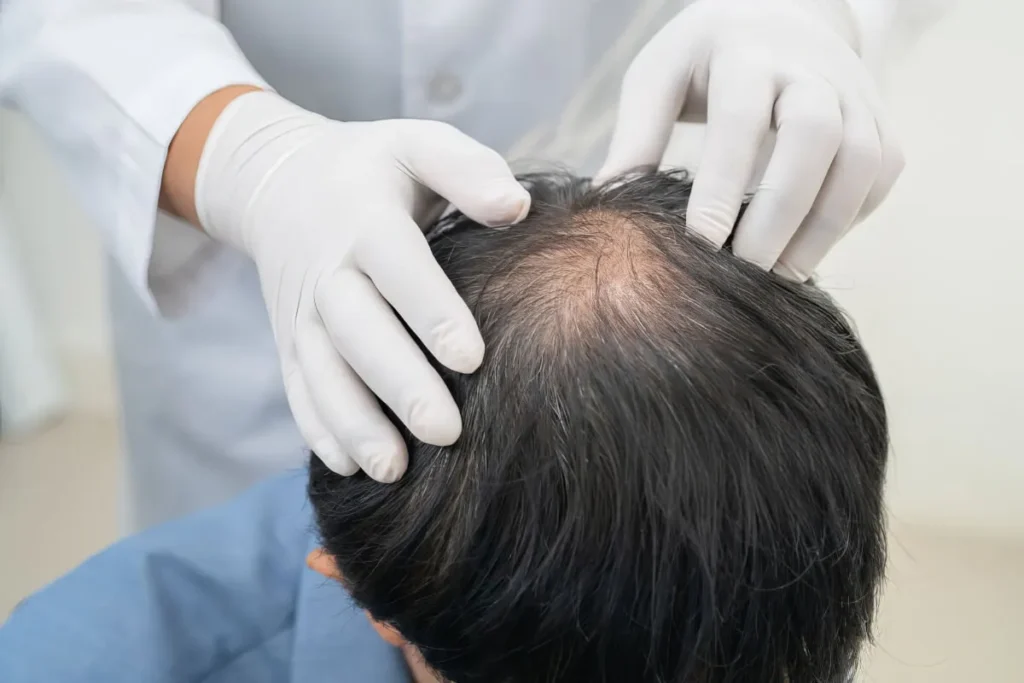
If you’ve been told you need radiation therapy for cancer, it’s important to know about its side effects. This knowledge helps you make better choices and get ready for treatment. While radiation therapy kills cancer cells, it can also harm healthy tissues nearby.
People getting radiation therapy often feel very tired. This is a common side effect that can be managed with the right care. Losing hair in the treated area is another side effect many notice. It shows how important it is to know what to expect during treatment.
Key Takeaways
Radiation therapy can cause fatigue and hair loss in the treatment area.
Understanding the possible side effects is key for making good choices.
Proper care can help manage common side effects like fatigue.
Being open about what treatment might do is vital for getting ready.
Radiation therapy effectively targets cancer cells but can also harm healthy tissues.
Understanding Radiation Therapy as a Cancer Treatment
Radiation therapy is a key treatment for many cancers. It uses radiation to harm cancer cells’ DNA, stopping them from growing. This method helps fight cancer by targeting bad cells without harming good ones.
How Radiation Therapy Works
Radiation therapy sends high-energy rays to cancer cells. This damages their DNA, stopping them from dividing. It can kill cancer cells, shrinking tumors and easing symptoms.
The National Cancer Institute says radiation therapy can treat many cancers. It’s often used alone or with surgery and chemotherapy.
Types of Radiation Therapy: There are two main types. External beam radiation therapy (EBRT) sends radiation from outside the body. Internal radiation therapy (brachytherapy) places radioactive material near the tumor.
Types of Radiation and Treatment Approaches
The type of radiation and treatment plan depend on the cancer type and the patient’s health. External beam radiation therapy is used for many cancers because it targets tumors well. Brachytherapy is often for localized tumors, like prostate cancer.
Experts say radiation therapy can cause side effects. These include radiation fatigue and skin changes. Knowing these side effects helps manage patient expectations and improve their quality of life.
— American Cancer Society
Recovery from radiation therapy varies. Patients with skin cancer may face side effects like skin irritation and fatigue. These can last from shortly after treatment to longer periods.
Does Radiation Cause Hair Loss? Mechanisms and Patterns
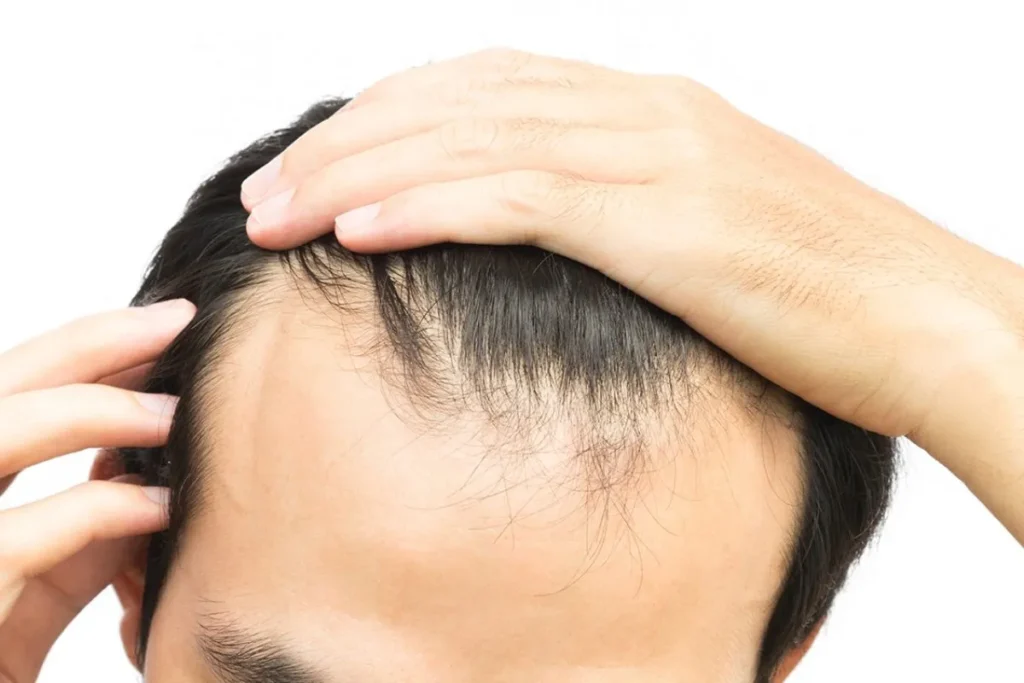
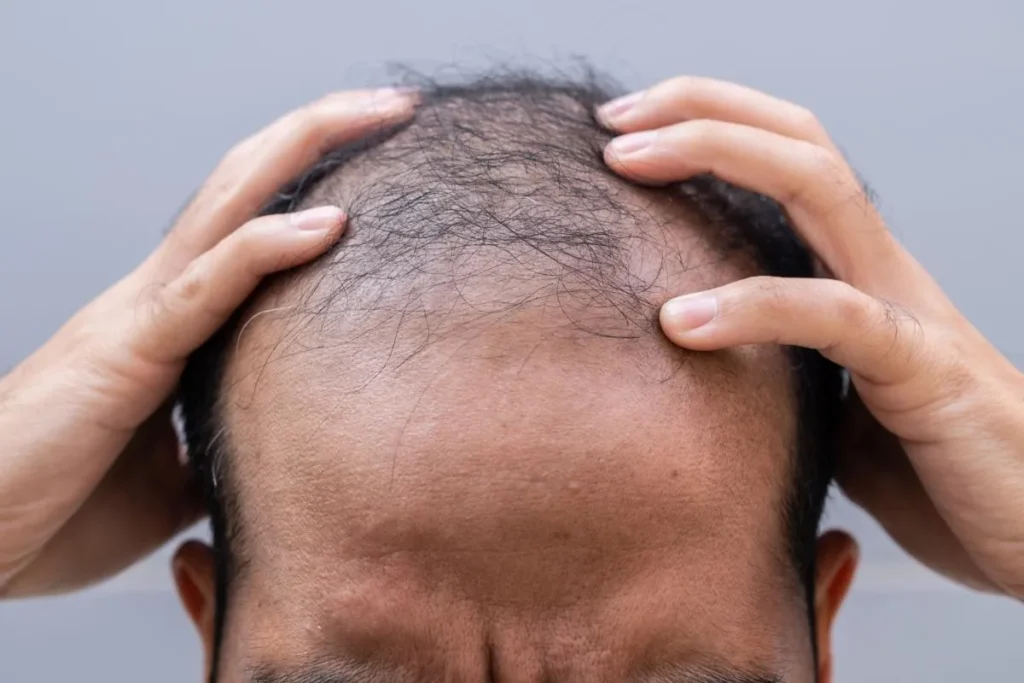
Radiation therapy can lead to significant hair loss, mainly in the treated area. This happens because the high doses of radiation target and destroy cancer cells. These high doses also harm other cells in the body, including those in hair follicles.
How Radiation Damages Hair Follicles
Radiation therapy harms hair follicles by targeting cells that grow quickly. Hair follicles are very sensitive to radiation, causing hair loss. The amount of hair loss depends on the radiation dose and the treated area.
Key factors influencing hair loss due to radiation therapy include:
The dose and frequency of radiation treatment
The area of the body being treated
The individual’s overall health and sensitivity to radiation
Timeline and Progression of Hair Loss
Hair loss in the treatment area is noticeable, starting about 2-3 weeks after treatment starts. The exact timeline can vary based on the individual and their radiation therapy specifics.
The progression of hair loss typically follows this pattern:
Initial hair loss: Hair starts falling out in the treated area.
Continued hair loss: Hair loss continues for a few weeks.
Potential regrowth: Depending on the dose and area treated, hair may or may not grow back.
Temporary vs. Permanent Hair Loss After Radiation
Whether hair loss is temporary or permanent depends on the radiation dose and treated area. Lower doses might cause temporary hair loss, while higher doses can damage hair follicles permanently.
Factors determining the permanence of hair loss include:
The total dose of radiation received
The specific area of the body treated
The individual’s genetic predisposition to hair loss
Regaining confidence after hair loss from radiation therapy is possible. There are hair restoration methods and supportive care to help patients deal with the emotional impact of hair loss.
Fatigue and Other Common Side Effects of Radiation
Radiation therapy is a key treatment for cancer but comes with many side effects. Fatigue is a common side effect because it destroys healthy cells along with cancer cells.
Radiation-Induced Fatigue: Causes and Management
Fatigue from radiation therapy is more than just feeling tired. It’s a deep exhaustion that affects daily life. The causes are complex, including the body’s reaction to radiation and the treatment area.
To manage fatigue, making lifestyle changes and getting medical help is key. Conserving energy by focusing on important tasks and taking breaks helps. Doctors might also suggest medications or supplements.
Skin Changes and Irritation
Skin changes are common with radiation therapy. These can range from mild redness to severe blistering or peeling. Keeping the skin clean and moisturized is vital. Patients should also avoid direct sun and harsh skin products.
Patients getting radiation to the head and neck may face mouth sores, dry mouth, and taste changes. Regular dental check-ups and good oral hygiene are key to managing these issues.
Other Localized Side Effects Based on Treatment Area
The side effects of radiation therapy vary by treatment area. For example, chest radiation can cause esophagitis, making swallowing hard. Pelvic radiation can lead to urinary frequency or bowel changes.
Knowing these side effects and working with healthcare providers helps manage symptoms. It’s vital for patients to report any side effects to their healthcare team for proper care.
Being aware of radiation therapy side effects and taking steps to manage them can improve life quality. Regaining control over one’s health and facing radiation therapy challenges with support can make a big difference.
Recovery Timeline and Long-Term Expectations
Most side effects from radiation therapy go away in a few months. This is because healthy cells can recover quickly. But, some people might feel tired for a longer time.
Everyone’s experience with radiation therapy is different. It’s important to deal with side effects well. Many wonder if radiation makes them tired or sick. While it can, the tiredness usually gets better with time.
Knowing how long it takes to recover is key for those getting radiation therapy. The side effects can be tough, but knowing what to expect helps. Regular check-ups are important to handle any lasting side effects and get the best results.
FAQ
Does radiation therapy cause fatigue?
Yes, fatigue is the most common side effect of radiation therapy. It occurs because the body uses a massive amount of energy to repair healthy cells damaged during treatment and to process dead cancer cells. This exhaustion is typically cumulative, building up as you progress through your treatment weeks.
Can radiation cause hair loss?
Radiation only causes hair loss in the specific area being treated. Unlike chemotherapy, which travels through the entire bloodstream and affects hair globally, radiation to the chest will not cause you to lose the hair on your head. You will only see thinning or loss where the beam directly enters or exits the body.
Is hair loss from radiation temporary or permanent?
Whether hair grows back depends entirely on the radiation dose. At standard doses, hair usually begins to regrow 3 to 6 months after treatment concludes. However, very high doses can permanently damage the follicles, leading to permanent baldness or significantly thinner texture in that specific spot.
How long does it take to recover from radiation therapy?
Immediate side effects like skin redness and acute fatigue generally start to fade 2 to 4 weeks after your final session. However, full cellular recovery is a slower process, and you may feel lingering effects or see changes in the treated tissue for several months to a year.
Can radiation therapy cause headaches?
Headaches are a frequent side effect for those receiving radiation to the head or neck. This is often caused by localized swelling or “brain edema” as the tissues react to the treatment. If a headache is accompanied by nausea or confusion, you should contact your oncology team immediately.
How can I manage radiation-induced fatigue?
-
Prioritize Rest: Incorporate short naps but try to keep a consistent nighttime sleep schedule.
-
Light Activity: Gentle walking can actually reduce fatigue levels more effectively than total bed rest.
-
Hydration: Drinking extra water helps your body flush out the “byproducts” of destroyed cancer cells.
What are the side effects of radiation therapy for skin cancer?
The treated area often develops radiation dermatitis, which feels like a severe sunburn. The skin may become red, dry, itchy, or blistered. Long-term, that patch of skin might remain a slightly different color or feel firmer (fibrosis) than the surrounding area.
Can radiation therapy cause long-term side effects?
Yes, some “late effects” can appear months or years later. These include fibrosis (permanent scarring/stiffening of tissue) and damage to nearby organs or lymph nodes, which can lead to swelling (lymphedema). The risk depends heavily on the part of the body being treated.
How can I minimize the side effects of radiation therapy?
To protect your skin, use only fragrance-free, oncologist-approved moisturizers and avoid direct sunlight on the treatment site. Following your team’s specific instructions regarding diet and hydration is also crucial for protecting internal healthy organs from the radiation path.
References
National Center for Biotechnology Information. Evidence-Based Medical Insight. Retrieved from https://www.ncbi.nlm.nih.gov/books/NBK563259/





