Folliculitis is a common skin issue where hair follicles get inflamed or infected. Regaining healthy skin is possible by knowing how to prevent it. This condition can show up as small pimples or crusty sores. It often goes away on its own but can get worse, mainly in people with weak immune systems. Is folliculitis contagious? Learn the shocking truth and discover incredible steps to prevent spreading or getting infected after shaving.
By following simple hygiene steps and knowing the risks, you can lower your chance of getting folliculitis. This article shares seven ways to stop folliculitis. It gives you useful tips and expert advice to keep your skin healthy and avoid problems like scarring or hair loss.
Key Takeaways
Understand the causes and risk factors of folliculitis
Learn simple hygiene practices to prevent folliculitis
Discover effective methods to maintain healthy skin
Find out how to avoid complications associated with folliculitis
Explore expert advice on folliculitis prevention
Understanding Folliculitis: Types and Causes
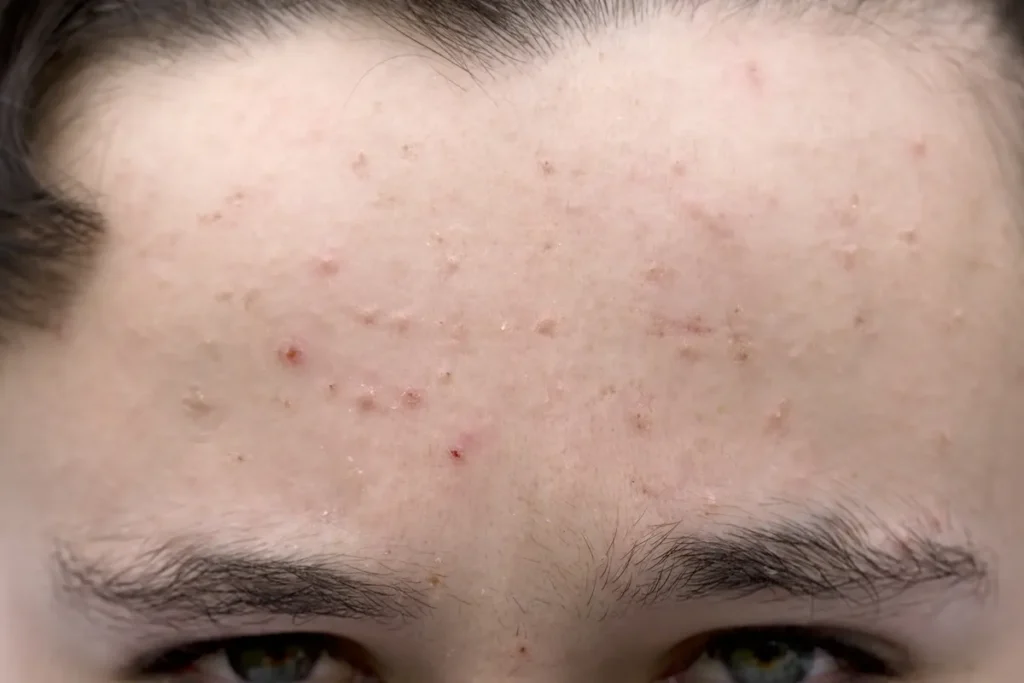
Knowing the different types of folliculitis is key to preventing and treating it. Folliculitis is when hair follicles get inflamed. It can be caused by bacteria, viruses, or fungi.
Bacterial Folliculitis
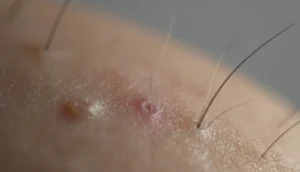
Bacterial folliculitis is the most common type. It’s usually caused by Staphylococcus aureus. You’ll see red, pus-filled bumps on your skin, which might itch or hurt.
This type of folliculitis can happen anywhere but is more common in sweaty areas.
Viral and Fungal Folliculitis
Viral folliculitis is caused by the herpes simplex virus. It shows up as painful blisters. Fungal folliculitis, like malassezia folliculitis, is more common in oily skin or where you sweat a lot. It can keep coming back if not treated right.
Common Risk Factors
Several things can make you more likely to get folliculitis. Tight clothes, shaving, and a weak immune system are some of them. Knowing these risk factors helps prevent it.
Folliculitis vs. Keratosis Pilaris
It can be hard to tell the difference between folliculitis and keratosis pilaris. Both affect the skin and hair follicles. But, keratosis pilaris is harmless. It shows up as small, rough patches on your arms, legs, or buttocks.
Keratosis pilaris isn’t caused by infection and doesn’t have inflammation or pus. It’s important to know the difference for the right treatment. Folliculitis needs to be treated for the infection, while keratosis pilaris might need moisturizing and gentle exfoliation.
How to Prevent Folliculitis: 7 Effective Methods
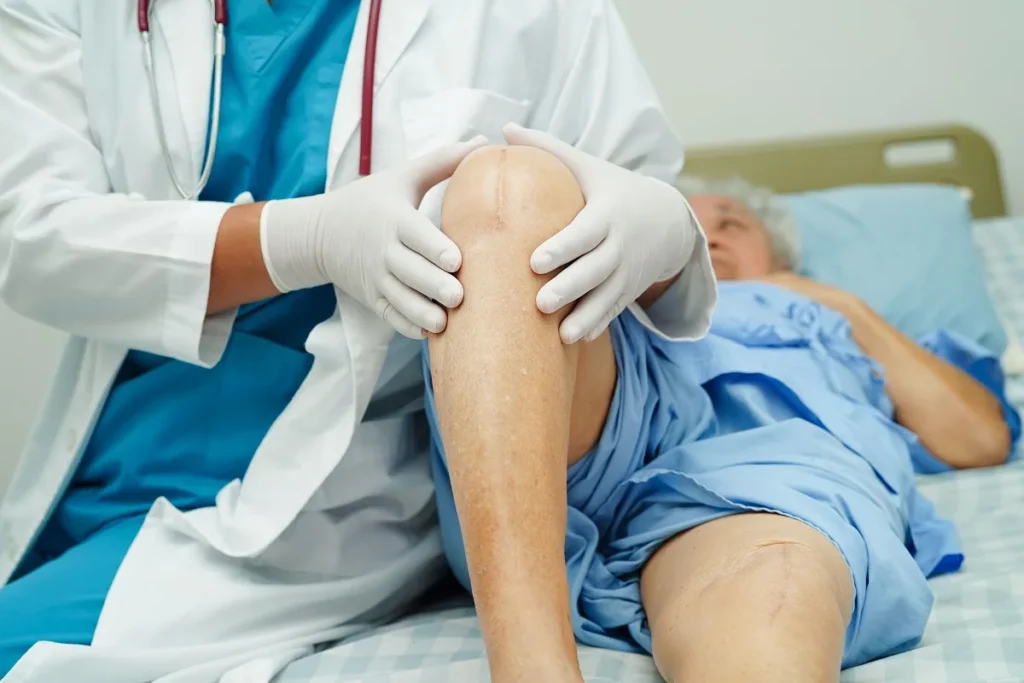
To avoid folliculitis, it’s key to use simple yet effective strategies. These methods target the causes of folliculitis. By knowing what causes it, you can prevent it from happening.
1. Practice Proper Hygiene
Good hygiene is vital in preventing folliculitis. Wash your skin with antibacterial soap often. This helps lower bacteria that can lead to infections. Also, shower after you exercise or sweat a lot.
2. Wear Breathable Clothing
Wearing breathable clothing helps prevent sweat buildup. Choose loose, natural fiber clothes like cotton. This keeps your skin dry and reduces irritation.
3. Avoid Sharing Personal Items
Don’t share personal items like razors, towels, or clothes. This is key for those who often get folliculitis or have skin infections.
4. Use Antibacterial Soap
Using antibacterial soap can lower folliculitis risk. It controls bacteria on your skin. Use it, mainly in sweaty areas.
More ways to prevent folliculitis include:
Regularly clean and disinfect hot tubs and pools to stop bacterial growth.
Avoid tight clothes that can cause friction and irritation.
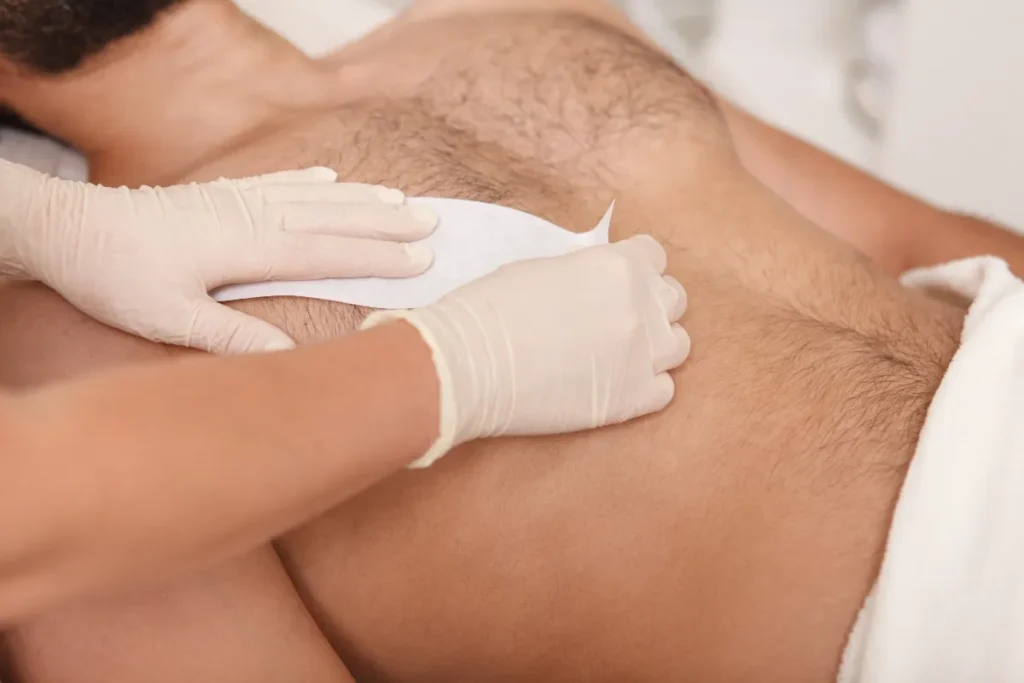
Shave carefully and don’t share razors.
By using these 7 effective methods, you can lower your folliculitis risk. It’s about taking care of your skin and knowing what causes folliculitis.
Treatment Options for Different Types of Folliculitis
Folliculitis treatment varies based on the type and severity of the infection. It’s important to know the cause and choose the right treatment.
Treating Bacterial Folliculitis
Bacterial folliculitis is treated with antibiotics. These can be applied topically or taken orally, depending on the case. For mild cases, over-the-counter creams or ointments work well. But, severe cases might need prescription antibiotics.
Managing Viral and Fungal Infections
Viral folliculitis, often caused by herpes simplex virus, is treated with antiviral medications. Fungal folliculitis needs antifungal treatments. These can be creams, oral meds, or both, based on the infection’s severity.
Solutions for Folliculitis on Shoulders and Upper Body
Folliculitis on shoulders and upper body is tough due to clothing friction. Treatment includes meds and preventive steps. Wear breathable clothing and keep clean to avoid irritation and prevent it from coming back.
Severe and Chronic Folliculitis Treatments
Severe or chronic folliculitis needs more intense treatments. Laser hair removal might be considered to prevent it from coming back. Also, a consistent skincare routine and avoiding irritants can help manage it.
Understanding the different types of folliculitis and their treatments is key. It helps in managing and preventing this condition effectively.
Conclusion
To prevent folliculitis, it’s important to practice good hygiene and know the risks. Understanding what causes folliculitis helps you keep your skin healthy. This way, you can avoid infections.
Most cases of folliculitis can be handled with simple care and prevention. This article has seven effective ways to prevent folliculitis. By following these tips, you can lower your risk of getting it.
Adding folliculitis prevention tips to your daily routine can improve your skin health. Keeping your skin healthy is easy with simple strategies. These strategies help prevent folliculitis and other skin problems.
FAQ
What is folliculitis and how is it caused?
Folliculitis is inflammation of hair follicles that appears as red or pus-filled bumps. It is commonly caused by bacteria like Staphylococcus aureus, fungal infection, ingrown hairs, sweating, friction, or shaving.
How can I prevent folliculitis?
Keep skin clean and dry, avoid tight clothes, shower after sweating, use clean razors, avoid sharing towels, and avoid heavy oily products.
What are the different types of folliculitis?
Bacterial folliculitis, hot tub folliculitis caused by Pseudomonas aeruginosa, fungal folliculitis caused by yeast like Malassezia, pseudofolliculitis barbae (razor bumps), and gram-negative folliculitis.
How is bacterial folliculitis treated?
It is treated with antibacterial cleansers, topical antibiotics, and in severe cases oral antibiotics prescribed by a doctor.
What is the difference between folliculitis and keratosis pilaris?
Folliculitis is an inflamed or infected hair follicle with red or pus-filled bumps, while keratosis pilaris is a harmless buildup of keratin causing small rough, non-infected bumps.
Can folliculitis be treated with home remedies?
Mild cases may improve with warm compresses, good hygiene, antibacterial soap, tea tree oil, and avoiding shaving the affected area.
How can I prevent folliculitis on my shoulders and upper body?
Shower after sweating, wear loose breathable clothes, avoid heavy body oils, wash gym clothes regularly, and exfoliate gently.
What are the treatment options for severe and chronic folliculitis?
Options include oral antibiotics, antifungal medicines, medicated washes, laser hair removal, and treatment of underlying causes.
Is folliculitis contagious?
Mild folliculitis is usually not contagious, but bacterial forms can spread through direct contact or shared personal items.
References
National Center for Biotechnology Information. Evidence-Based Medical Insight. Retrieved from https://pmc.ncbi.nlm.nih.gov/articles/PMC8130991/