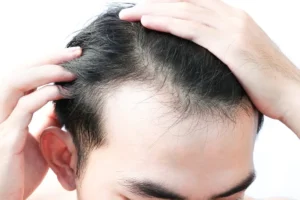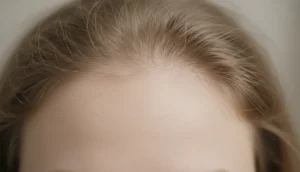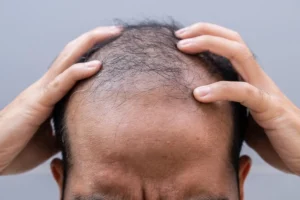
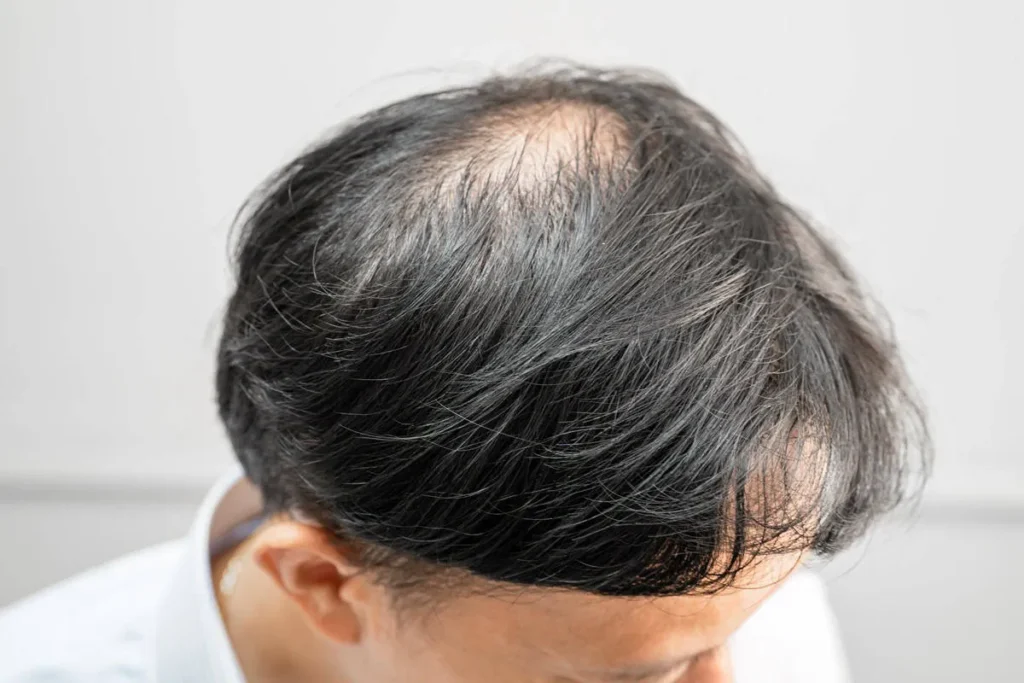
Frontal fibrosing alopecia is a type of hair loss that scars the hairline. It leads to thinning and recession of hair. This condition is becoming more common, mainly in postmenopausal women.
Seeing your hairline recede can be upsetting. It’s important to act early to manage it. Regaining confidence begins with knowing the condition and looking into treatments.
At gold city hair, we offer top-notch dermatology and care focused on the patient. Learning about frontal fibrosing alopecia is the first step to fight hair loss.
Key Takeaways
Frontal fibrosing alopecia is a scarring form of hair loss.
It mainly affects the hairline.
Acting early is key to managing it.
Postmenopausal women are most affected.
There are effective treatments with expert care.
Understanding Frontal Fibrosing Alopecia
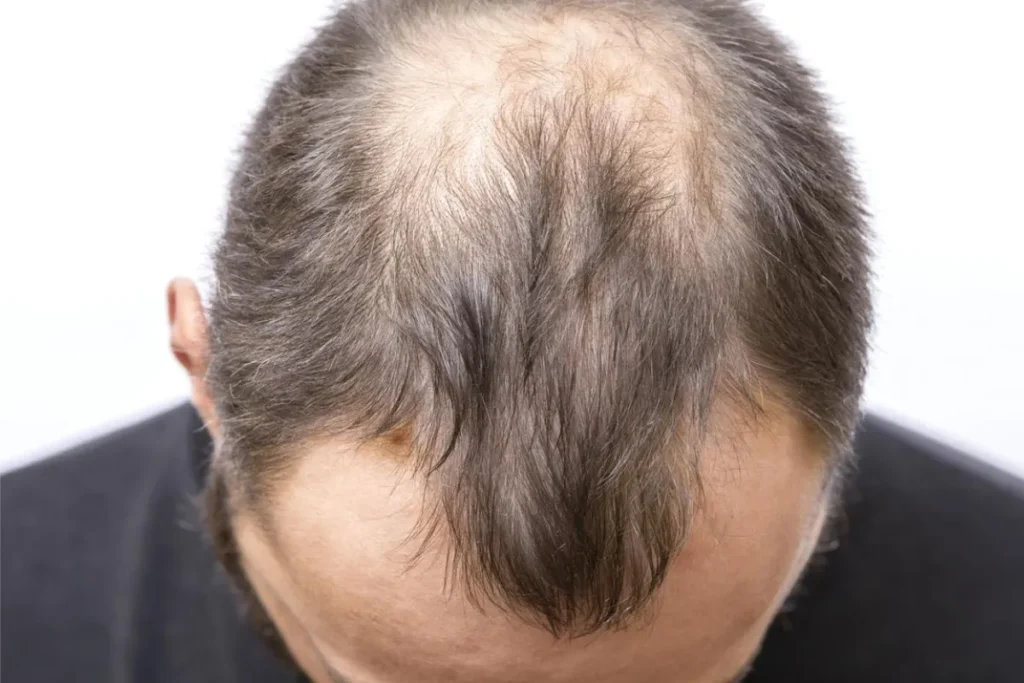
Frontal Fibrosing Alopecia (FFA) is a complex condition that affects hair follicles. It has become a big concern in the field of dermatology. Knowing its characteristics, demographics, and risk factors is key to understanding it.
Definition and Characteristics
FFA causes scarring of hair follicles, leading to permanent hair loss. This mainly happens along the frontal hairline. It mostly affects postmenopausal women, usually after 50. But, it can also happen to younger women and men.
The exact cause of FFA is not known. But, it’s thought to be linked to autoimmune factors, hormones, genetics, and environmental factors. This makes diagnosing and treating it challenging.
The Rising Epidemic: Incidence and Prevalence
FFA is becoming more common worldwide. Studies show it’s on the rise. But, it’s hard to know how widespread it is because of differences in reporting and diagnosis.
More people are now getting help for FFA symptoms. This is thanks to growing awareness among doctors and the public.
Who Is Affected: Demographics and Risk Factors
Mostly, FFA hits postmenopausal women, mainly those over 50. But, it can also affect younger women and men, though less often.
Several factors increase the risk of getting FFA:
Age: The risk goes up with age, after menopause.
Gender: Women are more likely to get it than men.
Hormonal changes: The condition’s link to postmenopausal women suggests hormonal influence.
Genetic predisposition: Family history might play a part in getting FFA.
Knowing who is at risk and why is vital for early detection and treatment of FFA.
Symptoms and Pathogenesis of Fibrosing Alopecia
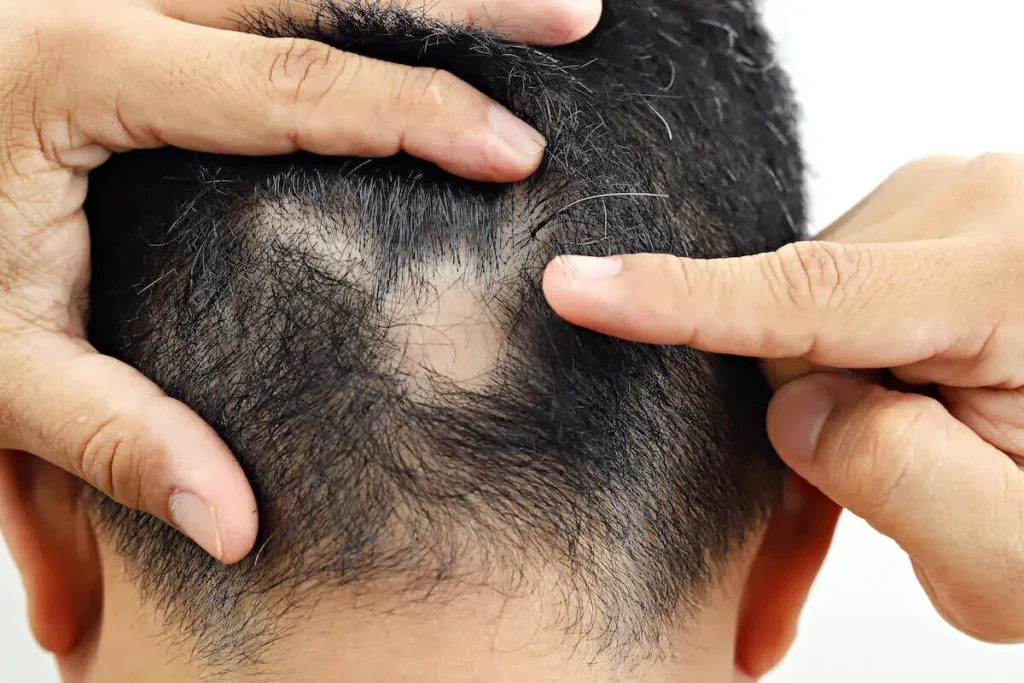
Understanding the symptoms and causes of frontal fibrosing alopecia is key. This condition affects not just hair loss but also other skin issues.
Clinical Presentation and Primary Symptoms
Frontal fibrosing alopecia causes hair loss at the front of the head. It also leads to eyebrow loss in 80% to 95% of women. This can be very distressing, affecting how people feel about themselves.
One of the first signs is losing eyebrow hair. This can happen before hair loss on the scalp. The condition causes inflammation and scarring, leading to permanent hair loss if not treated.
Eyebrow Loss and Other Associated Features
Eyebrow loss is a key symptom of frontal fibrosing alopecia. It often happens before hair loss on the scalp. Other signs include losing facial hair and having skin lesions.
Understanding the Autoimmune Mechanism
Frontal fibrosing alopecia is thought to be an autoimmune disease. The body’s immune system attacks hair follicles, causing inflammation and scarring. This autoimmune process is believed to drive the disease, but the exact causes are not known.
Diagnosis and Differential Considerations
To diagnose frontal fibrosing alopecia, a doctor will examine your scalp and eyebrows. They will also look at your medical history. Other conditions and types of alopecia are considered as well.
Getting an accurate diagnosis is vital for managing frontal fibrosing alopecia. It helps prevent further hair loss.
Conclusion
Frontal fibrosing alopecia needs quick and effective treatment to stop hair loss. Knowing the cause of frontal fibrosing alopecia helps find the best treatment. Treating it means fixing the cause and controlling inflammation.
Starting frontal fibrosing alopecia treatment early can slow or stop hair loss. Many frontal fibrosing alopecia treatments are out there to manage it. With the right treatment, people can feel confident again.
Those with frontal hair loss or frontal alopecia in women should get professional help. A personalized care plan and modern techniques can lead to great results. It’s key to work with a trusted partner to find a solution that fits your needs.
FAQ
What is frontal fibrosing alopecia?
Frontal fibrosing alopecia is a scarring type of hair loss that causes gradual recession of the hairline, often affecting the front and sides of the scalp.
What are the primary symptoms of frontal fibrosing alopecia?
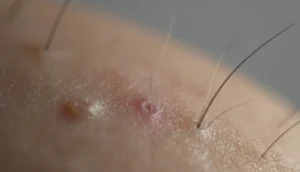
Symptoms include receding hairline, eyebrow thinning, scalp redness, itching, and small bumps around hair follicles.
Who is most likely to be affected by frontal fibrosing alopecia?
It most commonly affects postmenopausal women, but it can also occur in younger women and men.
What causes frontal fibrosing alopecia?
The exact cause is unknown, but it is believed to involve autoimmune and hormonal factors.
How is frontal fibrosing alopecia diagnosed?
Diagnosis is made through clinical examination, medical history, and sometimes a scalp biopsy.
Can frontal fibrosing alopecia be treated?
Yes, treatment can slow progression, but it may not fully reverse hair loss.
What are the treatment options for frontal fibrosing alopecia?
Options include topical or oral corticosteroids, anti-inflammatory medications, hormone-modulating drugs, and minoxidil.
Is frontal fibrosing alopecia a common condition?
It is considered relatively uncommon, though cases have increased in recent years.
Can frontal fibrosing alopecia lead to permanent hair loss?
Yes, as a scarring alopecia, it can cause permanent hair loss if not treated early.
How can I manage frontal fibrosing alopecia?
Management includes early medical treatment, gentle hair care, regular monitoring, and following a dermatologist’s advice.
References
National Center for Biotechnology Information. Evidence-Based Medical Insight. Retrieved from https://www.ncbi.nlm.nih.gov/books/NBK519001/