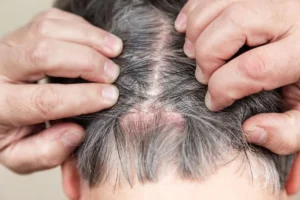

Autoimmune diseases make the body’s immune system attack its own tissues. This leads to many health problems. Hair loss is a big sign of these issues, caused by the immune system’s wrong actions. Discover the scary truths about autoimmune hair loss. Learn amazing, powerful ways to manage symptoms and achieve incredible regrowth today.
The immune system takes resources away from hair and scalp. Or, it directly attacks hair follicles. This can cause a lot of hair loss. Diseases like alopecia areata, lupus, and thyroid problems can make hair fall out.
Key Takeaways
Autoimmune diseases can cause significant hair loss due to the immune system’s malfunction.
Conditions like alopecia areata, lupus, and thyroid disorders are linked to hair loss.
The immune system’s attack on hair follicles leads to hair-damaging inflammation.
Understanding the underlying autoimmune disease is key for effective treatment.
Early diagnosis can greatly improve life for those with autoimmune hair loss.
Understanding Autoimmune Hair Loss

It’s important to know how autoimmune diseases can cause hair loss. This happens when the immune system attacks hair follicles by mistake. This disrupts the normal cycle of hair growth.
The Immune System’s Role in Hair Growth
The immune system is key to keeping us healthy, including our hair. Hair needs nutrients like proteins and vitamins to grow. These nutrients come from blood flow to the scalp.
A healthy immune system protects the scalp and hair follicles. It helps keep hair growing well.
How Autoimmune Attacks Damage Hair Follicles
Autoimmune diseases can lead to hair loss by attacking hair follicles. In cases like alopecia areata, the immune system sees hair follicles as enemies. This results in hair falling out.
Autoimmune attacks can cause a lot of damage. They can lead to inflammation and scarring. If not treated, this damage can be permanent.
Treatment options for autoimmune hair loss depend on the disease and its severity. Treatments might include medicines to calm the immune system or promote hair growth.
Primary Autoimmune Diseases That Cause Hair Loss

Autoimmune disorders can cause hair loss in different ways. It’s important to know about these conditions to treat hair loss effectively.
Alopecia Areata: Patterns and Prevalence
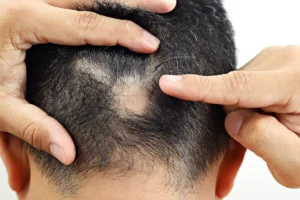
Alopecia areata is a common autoimmune condition. It leads to hair loss on the scalp, face, or body. The immune system mistakenly attacks hair follicles, causing hair loss.
Key aspects of alopecia areata include:
Unpredictable hair loss patterns
Potential for spontaneous regrowth
Association with other autoimmune diseases
About 2 percent of the global population is affected by alopecia areata. It’s a big concern for those losing their hair.
Thyroid Disorders: Graves’ Disease and Hashimoto’s Thyroiditis
Thyroid disorders like Graves’ disease and Hashimoto’s thyroiditis can harm hair growth. They affect the thyroid gland’s function, which is key for hair health.
Graves’ disease makes the thyroid gland overactive. Hashimoto’s thyroiditis makes it underactive. Both can lead to hair loss because of hormonal imbalances.
The table below shows how these thyroid disorders affect hair:
Lupus and Its Effects on Hair Health
Lupus is a chronic autoimmune disease. It can harm the skin and hair. Hair loss in lupus patients is due to inflammation and damage to hair follicles.
Common symptoms of lupus-related hair loss include:
Hair thinning
Patchy hair loss
Increased shedding
It’s important to understand why lupus patients lose their hair. This knowledge helps in finding effective treatments.
Diagnosis and Management of Autoimmune-Related Hair Loss
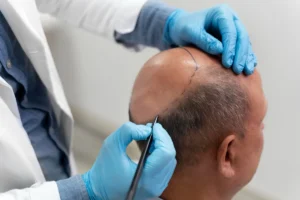
Managing autoimmune-related hair loss starts with a correct diagnosis. This involves a clinical evaluation, looking at your medical history, and sometimes, lab tests.
Diagnostic Approaches for Different Conditions
Diagnosing autoimmune hair loss means knowing the specific condition. For example, alopecia areata is diagnosed by its unique hair loss pattern. Thyroid issues like Graves’ disease and Hashimoto’s thyroiditis are found through blood tests that check hormone and antibody levels.
Treatment Options and Their Effectiveness
Treatment for autoimmune hair loss depends on the condition. For alopecia areata, treatments include corticosteroids, injected or applied topically. For thyroid issues, managing the condition is key, and treatments aim to balance hormone levels.
How well treatments work varies. Some people see hair regrowth, while others face persistent hair loss.
Conclusion
Autoimmune diseases can really hurt hair health, leading to hair loss. It’s important to know what’s causing the hair loss. Conditions like alopecia areata, thyroid issues, and lupus can harm hair follicles because of the immune system’s attack.
Figuring out the exact autoimmune disease is the first step to treating hair loss. Knowing the connection between autoimmune diseases and hair loss helps people get the right treatment. A good treatment plan is key to managing hair loss caused by autoimmune diseases.
Spotting the signs of autoimmune disease-related hair loss is the first step to getting better. Understanding how autoimmune disorders affect hair helps people work with doctors to find the right treatment. This way, they can lessen the effects of autoimmune hair loss.
FAQ
What are autoimmune diseases that cause hair loss?
Autoimmune diseases that cause hair loss include alopecia areata, lupus, and certain thyroid disorders. These conditions make the immune system attack hair follicles.
How do autoimmune diseases affect hair growth?
They disrupt the normal hair growth cycle by attacking hair follicles, leading to hair thinning, patchy loss, or complete hair loss.
What is alopecia areata, and how does it cause hair loss?
Alopecia areata is a condition where the immune system attacks hair follicles, causing sudden patchy hair loss on the scalp or body.
Can thyroid disorders cause hair loss?
Yes, both underactive and overactive thyroid conditions can lead to hair thinning and hair loss due to hormonal imbalance.
How is autoimmune-related hair loss diagnosed?
Doctors diagnose it through medical history, scalp examination, and sometimes blood tests or a biopsy to confirm the underlying condition.
What are the treatment options for autoimmune-related hair loss?
Treatments may include medications, topical solutions, and therapies to control the immune response and support hair regrowth.
Can autoimmune diseases that cause hair loss be managed?
Yes, these conditions can often be managed with proper medical treatment and lifestyle changes, although they may not be completely cured.
Are there any autoimmune conditions that cause hair loss in women?
Yes, conditions like alopecia areata, lupus, and thyroid disorders commonly affect women and can lead to hair loss.
Is hair loss caused by autoimmune diseases reversible?
In some cases, hair can regrow with treatment, but results vary depending on the condition and its severity.
References
National Center for Biotechnology Information. Evidence-Based Medical Insight. Retrieved from https://pmc.ncbi.nlm.nih.gov/articles/PMC6008919/