
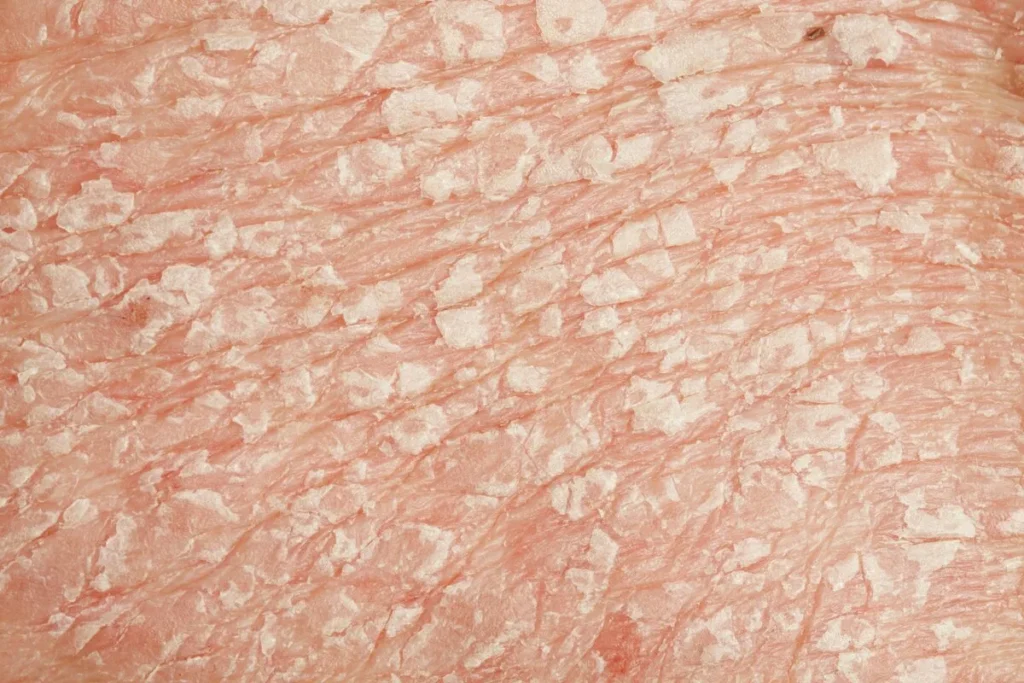
Psoriasis is a chronic autoimmune skin condition that affects millions worldwide. It causes thickened, inflamed red skin often covered with silvery scales. While there’s no definitive cure yet, many treatments can help manage its symptoms.
Is psoriasis curable? Discover the incredible big truth and find powerful, amazing ways to manage scary flares for incredible skin health.
For those dealing with persistent skin symptoms, relief is possible. Innovative treatments and patient-centered dermatological care can help. Gold City Hair offers internationally competitive medical outcomes.
Understanding psoriasis and exploring treatment options is vital for those affected.
Key Takeaways
Psoriasis is a chronic autoimmune condition with no current cure.
Effective management involves innovative treatments and patient-centered care.
Understanding the condition is key to exploring treatment options.
Various treatments can help alleviate symptoms.
Patient-centered dermatological care can provide relief.
Understanding Psoriasis: A Chronic Autoimmune Condition
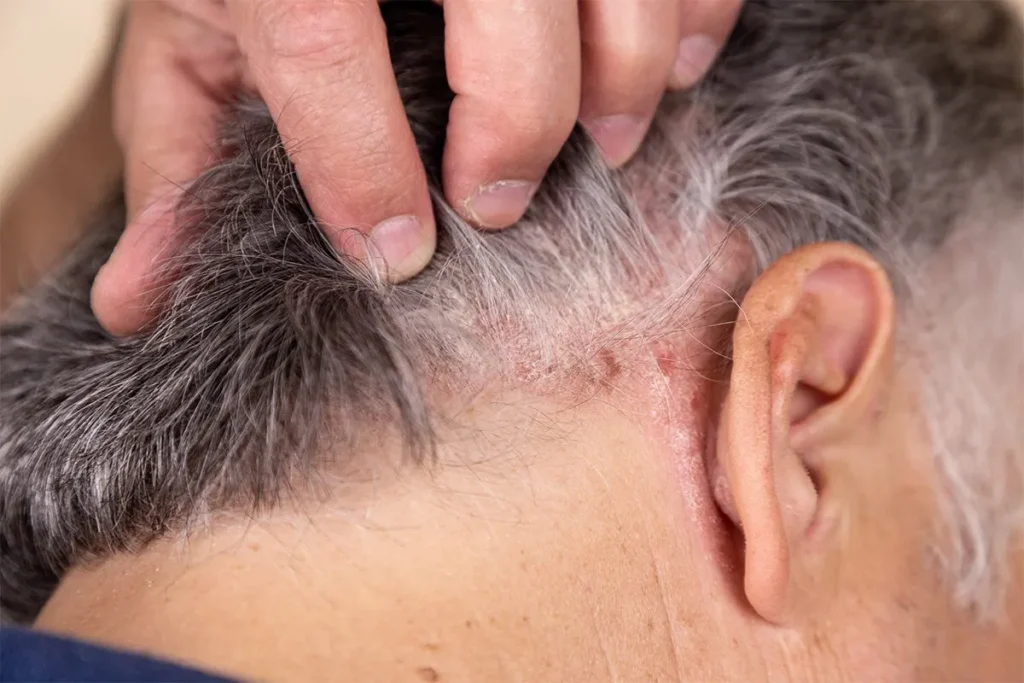
Psoriasis can start at any age, making it important to understand and manage it well. Studies show two main times when it often starts: between 15-35 years old and again around 50-60 years old.
Psoriasis is a chronic autoimmune condition where the immune system is key. The exact cause of psoriasis is not fully understood. It’s thought to be due to an immune system problem that makes skin cells grow too fast.
What Causes Psoriasis?
The exact reasons for psoriasis are not yet known. But research points to a mix of immune system, genetics, and environmental factors. The Medical organization says it’s likely an immune issue that makes skin cells grow too quickly.
Many things can make psoriasis worse, like stress, cold weather, and some medicines. Knowing what triggers it is key to managing it well.
Common Symptoms and Types
Psoriasis can show up in different ways, with plaque psoriasis being the most common. It looks like red, scaly patches on the skin. Other types include guttate, inverse, pustular, and erythrodermic psoriasis, each with its own symptoms.
Common signs include red patches, silvery scales, dry and cracked skin, and sometimes a burning feeling. Does psoriasis burn? Yes, for some, it can feel uncomfortable or burn, mainly during flare-ups.
Knowing the symptoms and types of psoriasis is vital for managing it. It helps improve life quality for those affected.
Is Psoriasis Curable? The Current Medical Perspective
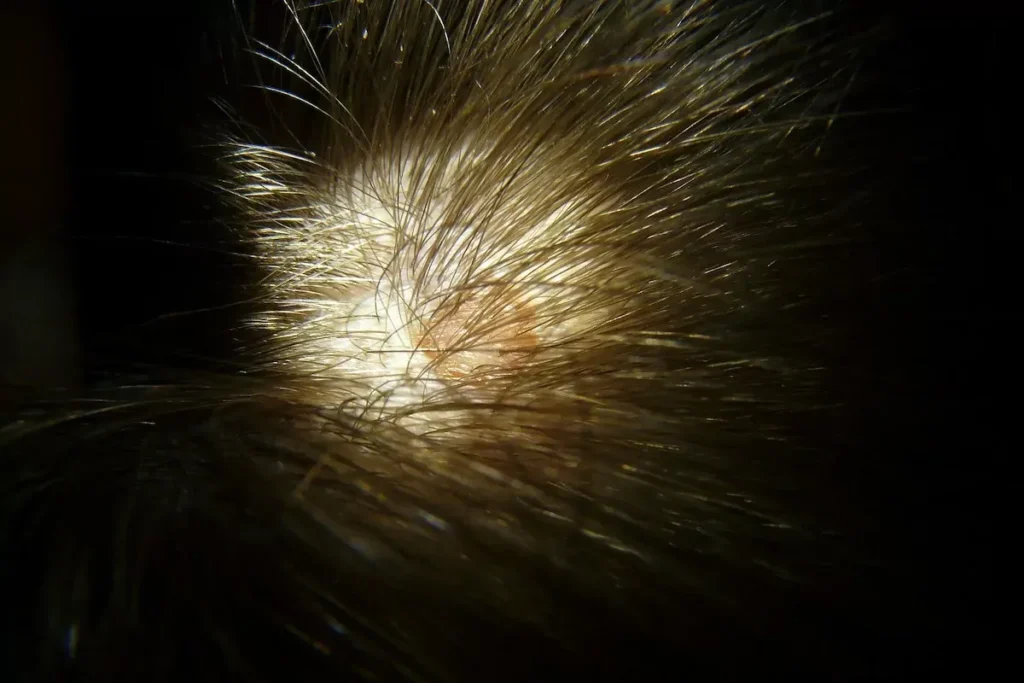
Understanding psoriasis’s curability means looking into the latest medical views. Psoriasis is a chronic autoimmune disease affecting millions. It causes discomfort and lowers quality of life.
Despite lots of research, there’s no sure cure for psoriasis. But, new treatments have made managing symptoms better. This helps patients have clearer skin and a better life.
Why Psoriasis Has No Definitive Cure
The exact psoriasis cause is not known, making a cure hard. It’s thought that genes, environment, and the immune system play roles. Today’s treatments aim to manage symptoms and reduce inflammation.
Scientists keep studying psoriasis to find new treatments. While a cure is not yet found, their work has led to better treatments.
The Difference Between Management and Cure
Effective psoriasis management is key to controlling symptoms and improving life. Treatments include creams, light therapy, systemic meds, and biologics. These can make psoriasis symptoms much better.
Management and cure differ in approach. Management aims to control symptoms, while a cure means eradicating the disease. Today’s treatments focus on managing psoriasis.
Even without a cure, today’s treatments are more effective than ever. Treating psoriasis can lessen symptoms and lower the risk of related diseases. A well-planned treatment can help patients manage their condition and improve their health.
Common Misconceptions About Psoriasis
Psoriasis is misunderstood by many, despite its widespread impact. It’s a chronic autoimmune condition affecting millions globally. Many aspects of it are not well understood.
Can You Contract or Catch Psoriasis?
Many believe psoriasis is contagious. But psoriasis is not an infection and cannot be transmitted. You can’t get psoriasis by touching someone with it or sharing items. This clears up a big misconception, helping to reduce fear and stigma.
Resources for patients confirm that psoriasis is not contagious. This is key for those with psoriasis and those around them. It helps in understanding and reduces social anxiety.
At What Age Does Psoriasis Start?
Some think psoriasis only affects certain ages. But psoriasis can start at any age, from infancy to old age. While it’s often seen in teens and young adults, it can happen at any time. Knowing this helps in early diagnosis and treatment.
Psoriasis can occur at any age.
It is most commonly diagnosed between 15 and 35 years.
Early diagnosis is key for effective management.
Does Psoriasis Burn or Cause Discomfort?
People with psoriasis often feel discomfort, like itching or burning. The level of discomfort varies. For some, it’s mild, while for others, it’s severe and affects daily life.
Itching is a common symptom.
Burning sensations can occur, mostly in severe cases.
Discomfort can vary in intensity and impact daily life.
By understanding these aspects of psoriasis, we can work to dispel misconceptions. This creates a more supportive environment for those affected.
Effective Management Strategies for Psoriasis
Managing psoriasis well is key to lessening symptoms and improving life quality. A good plan includes medical care, lifestyle changes, and learning about the condition. This approach helps get the best results.
Medical Treatment Options
There are many ways to treat psoriasis, like creams, light therapy, medicines taken by mouth, and other natural methods. Creams are often the first choice and can include steroids, vitamin D, and retinoids.
Light therapy uses special light to help with psoriasis. It’s good for those with moderate to severe cases. For severe cases or when other treatments don’t work, medicines that affect the whole body are used.
Achieving Clear or Nearly Clear Skin
The main goal of treating psoriasis is to get clear skin. This improves life quality. Treatment plans are made just for each person, based on how bad their psoriasis is, their health history, and their lifestyle.
Biologics are a type of medicine that can really help. They target parts of the immune system that cause psoriasis.
Lifestyle Modifications That Help
Changing your lifestyle can also help manage psoriasis. Staying at a healthy weight, reducing stress, and avoiding things like smoking and too much alcohol can help.
Eating a diet full of omega-3s, antioxidants, and fiber is good for your skin. Some people find keeping a food diary helps them figure out what foods make their psoriasis worse.
Conclusion
Understanding psoriasis is key to managing it well. This condition, also known as sirasis, hyrosis, or soriazis, affects millions. It’s a big challenge for those who have it.
Psoriasis is a chronic autoimmune condition with no cure. But, treatments today are better than before. They help patients have clear or nearly clear skin.
Research into new treatments and a cure is ongoing. We’re committed to giving patients the best care for their psoriasis. This improves their life quality.
The question of whether psoriasis is curable is a topic of ongoing research. While a cure is not yet found, the progress in treatments offers hope. It shows that managing the condition is getting better.
FAQ
What is psoriasis?
Psoriasis is a chronic autoimmune skin condition that causes red, scaly patches due to rapid skin cell buildup and inflammation.
Can psoriasis start at any age?
Yes, psoriasis can develop at any age, though it most commonly appears between ages 15–35.
Is psoriasis contagious?
No, psoriasis is not contagious and cannot be spread through touch or close contact.
Does psoriasis cause a burning sensation?
Yes, affected areas can sometimes feel itchy, painful, or have a burning or stinging sensation.
Can psoriasis be cured?
There is currently no cure, but treatments can manage symptoms and reduce flare-ups effectively.
What are the different types of psoriasis?
Common types include plaque psoriasis, guttate psoriasis, inverse psoriasis, pustular psoriasis, and erythrodermic psoriasis.
How is scalp psoriasis treated?
Treatment often involves medicated shampoos, topical corticosteroids, coal tar, salicylic acid, and sometimes systemic therapy for severe cases.
Can lifestyle modifications help manage psoriasis?
Yes, stress reduction, maintaining a healthy weight, avoiding triggers, quitting smoking, and eating an anti-inflammatory diet can improve symptom control.
Is it possible to achieve clear or nearly clear skin with psoriasis?
Yes, many patients can achieve clear or nearly clear skin with consistent treatment and proper management, though flare-ups may still occur.
References
National Center for Biotechnology Information. Evidence-Based Medical Insight. Retrieved from https://pubmed.ncbi.nlm.nih.gov/23145944/





