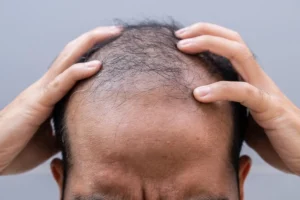
The hair follicle head is the microscopic unit that gives rise to every strand of hair on our scalp. While many people notice thinning or bald spots, few understand the intricate anatomy that governs hair growth and loss. This article breaks down the structure of the hair follicle head, highlights common conditions such as folliculitis, and explains why modern transplant methods—like FUE and DHI—focus on preserving and revitalizing this essential component.
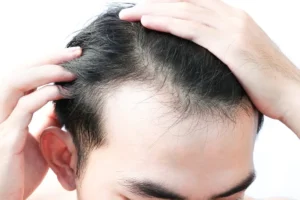
Did you know that the average human head houses approximately 100,000 follicles, each anchored by its own follicle head? This remarkable density underscores why targeted, precise treatments are crucial for lasting results. Whether you’re battling hair loss, dealing with an itchy scalp, or simply curious about how hair grows, gaining insight into the follicle head equips you to make informed decisions about care and restoration.
In the sections that follow, we will explore the anatomy of the hair follicle head, discuss prevalent disorders, examine how transplant techniques interact with the follicle, and provide practical after‑care tips. By the end, you’ll have a clear picture of what makes each hair strand possible and how professional interventions can restore confidence.
1. Anatomy of the Hair Follicle Head
The hair follicle head is the lower portion of the follicle that resides within the dermis, anchoring the hair shaft to the skin. It consists of several key structures:
- Hair bulb – the rounded base that houses matrix cells responsible for producing the hair shaft.
- Dermal papilla – a cluster of blood vessels that supplies nutrients to the growing hair.
- Outer root sheath – protects the follicle and connects it to surrounding tissue.
- Inner root sheath – guides the emerging hair shaft upward.
These components work together in a cyclical process known as the hair cycle, which includes the anagen (growth), catagen (regression), and telogen (resting) phases. Disruptions in any part of the follicle head can lead to hair loss or thinning.
| Phase | Duration | Key Activity |
|---|---|---|
| Anagen | 2‑7 years | Active cell division in the hair bulb, shaft elongation. |
| Catagen | 2‑3 weeks | Follicle shrinks, detaches from blood supply. |
| Telogen | 3‑4 months | Resting stage; hair eventually sheds. |
Understanding these phases helps clinicians determine why certain treatments, such as minoxidil or platelet‑rich plasma, are timed to align with the follicle’s natural rhythm. Moreover, the density and health of the hair follicle head directly influence the thickness and resilience of the resulting hair shaft.
2. Common Conditions Affecting the Hair Follicle Head
Several dermatological issues target the follicle head, leading to inflammation, infection, or impaired growth. Recognizing these conditions early can prevent permanent damage.
Folliculitis
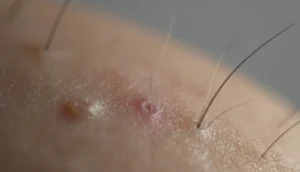
Folliculitis is an inflammation of the hair follicle often caused by bacterial or fungal agents. Symptoms include red bumps, itching, and sometimes pus‑filled lesions. When the follicle head is compromised, the surrounding tissue may scar, reducing the number of viable follicles.
Scalp Folliculitis and Pseudofolliculitis Barbae
Scalp folliculitis specifically affects the scalp’s follicles, while pseudofolliculitis barbae (commonly known as razor bumps) involves ingrown hairs in the beard area. Both conditions can be triggered by poor hygiene, hot‑tub use, or tight headwear.
Other Issues
- Acne on scalp – can block pores and irritate the follicle head.
- Fungal infections – such as pityrosporon folliculitis, leading to itchy, flaky patches.
- Trauma from harsh styling or chemical treatments – may damage the hair bulb and root.
Effective management often includes topical antibiotics, antifungal shampoos, and gentle cleansing routines. In persistent cases, a dermatologist may perform a scalp biopsy to assess follicle health and guide treatment.
3. How Modern Hair Transplant Techniques Target the Follicle Head
Hair restoration procedures focus on extracting healthy follicle heads from donor zones and implanting them into balding areas. Two leading methods—Follicular Unit Extraction (FUE) and Direct Hair Implantation (DHI)—offer distinct advantages for preserving follicle integrity.
FUE (Follicular Unit Extraction)
In FUE, individual follicle heads are harvested using a micro‑punch tool that isolates the unit without removing surrounding tissue. This minimizes trauma to the hair root and ensures a higher survival rate after implantation.
DHI (Direct Hair Implantation)
DHI employs a specialized implanter pen that places the follicle head directly into pre‑made channels at the optimal angle and depth. This technique reduces handling time, which can improve graft viability and promote faster regrowth.
| Technique | Key Advantage | Typical Graft Survival Rate |
|---|---|---|
| FUE | Minimal scarring, precise extraction | 85‑95% |
| DHI | Reduced handling, natural angle | 90‑98% |
Both methods respect the delicate structure of the hair follicle head, ensuring that the hair bulb, dermal papilla, and surrounding sheaths remain intact. This is why patients experience natural‑looking density and long‑term durability after a successful transplant.
4. Post‑Transplant Care for the Hair Follicle Head
After a transplant, protecting the newly placed follicle heads is essential for optimal graft survival. Patients should follow a structured after‑care regimen that includes gentle cleansing, medication, and lifestyle adjustments.
Immediate Post‑Procedure (Days 1‑7)
- Avoid touching or scratching the graft sites.
- Use a prescribed mild shampoo to keep the scalp clean without stripping natural oils.
- Apply any anti‑inflammatory medication to reduce swelling around the follicle head.
First Month (Weeks 2‑4)
During this phase, the transplanted follicles enter the telogen stage. It’s normal to see some shedding, which is a sign that the follicle head is resetting. Continue using gentle hair products and protect the scalp from direct sunlight.
Long‑Term Maintenance (Months 2‑12)
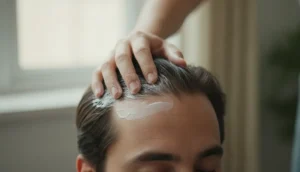
To encourage robust growth, incorporate a balanced diet rich in biotin, zinc, and omega‑3 fatty acids. Regular scalp massages can improve blood flow to the dermal papilla, supporting the health of the hair follicle head.
| Time Frame | Recommended Action | Goal |
|---|---|---|
| Days 1‑7 | Gentle cleansing, avoid trauma | Prevent infection, preserve grafts |
| Weeks 2‑4 | Sun protection, avoid harsh chemicals | Support follicle head stabilization |
| Months 2‑12 | Nutrition, scalp massage | Promote active anagen phase |
Adhering to these guidelines maximizes the chance that each transplanted follicle head will produce a healthy, long‑lasting hair shaft.
5. Myths and Facts About Hair Follicles
Misconceptions about the hair follicle head can lead to ineffective or harmful practices. Below are some common myths clarified by scientific evidence.
- Myth: Shaving the head damages the follicle head.
Fact: Proper shaving merely trims the hair shaft; it does not affect the bulb or dermal papilla. - Myth: All hair loss is caused by genetics.
Fact: While genetics play a role, conditions like folliculitis, hormonal imbalance, and scalp infections also impair follicle health. - Myth: You can “grow” new follicles through topical creams alone.
Fact: Existing follicles can be stimulated, but new follicle heads must be created via surgical transplantation or stem‑cell research, which is still experimental.
Understanding the true nature of the hair follicle head helps patients set realistic expectations and choose evidence‑based treatments.
Why Choose Gold City Hair
Gold City Hair has been delivering personalized hair restoration solutions in Turkey since 2017. Our clinic combines the latest FUE and DHI technologies with a transparent, patient‑focused approach. Every treatment plan is tailored to protect and revitalize the hair follicle head, ensuring natural‑looking results and lasting confidence.
Ready to restore your hair’s natural density? Contact Gold City Hair today to schedule a free, no‑obligation consultation and discover how our expert team can help you achieve lasting confidence.
FAQ
What is the hair follicle head and why is it important?
The hair follicle head is the lower part of the follicle that anchors the hair shaft and contains the bulb, dermal papilla, and sheaths.
What are the main phases of the hair growth cycle?
The cycle includes anagen (growth), catagen (regression) and telogen (rest).
How does folliculitis affect the hair follicle head?
Folliculitis inflames the follicle head, causing redness, itching, and possible scarring that reduces viable follicles.
What is the difference between FUE and DHI hair transplant techniques?
FUE extracts individual follicle heads with a micro‑punch, while DHI implants them directly using a pen for precise angle and depth.
How should I care for my scalp after a hair transplant?
Follow gentle cleansing, avoid trauma, protect from sun, use prescribed meds, and support growth with nutrition and scalp massage.
Can shaving damage the hair follicle head?
No, shaving only trims the hair shaft and does not affect the follicle head.