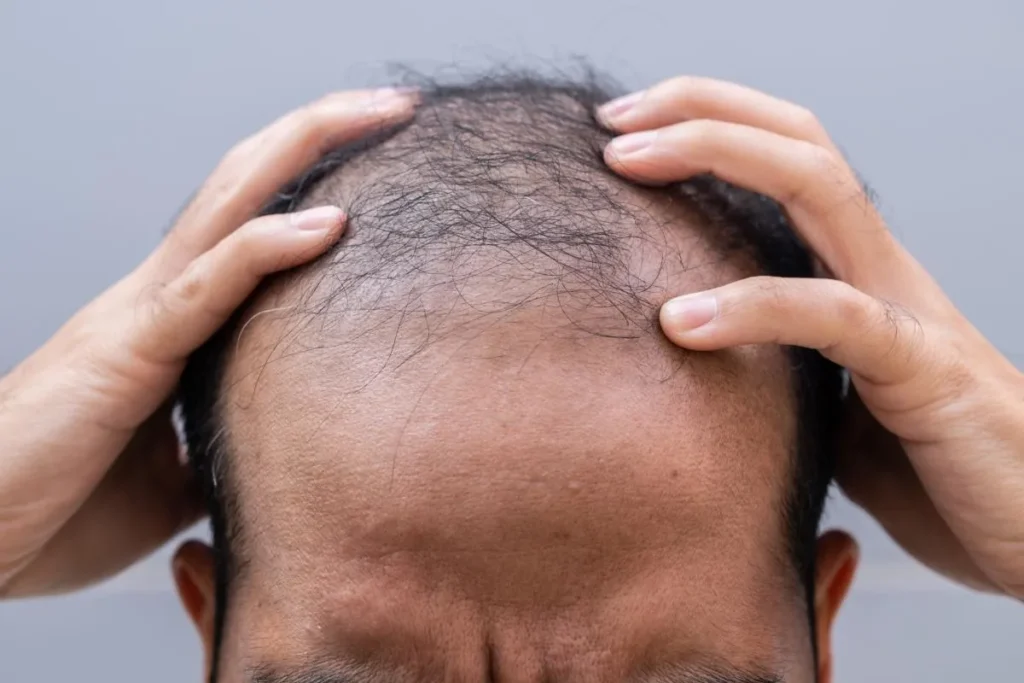
Many people wonder can high cortisol cause hair loss and how stress hormones affect the scalp. Cortisol, often called the “stress hormone,” spikes during physical or emotional pressure and can disrupt normal hair‑growth cycles. Understanding this link is essential because hair loss can undermine confidence and signal deeper health issues. In fact, studies show that up to 30 % of individuals experiencing chronic stress notice noticeable shedding within weeks.
This article delves into the biology of cortisol, explains how elevated levels may trigger conditions such as telogen effluvium, and offers practical strategies to manage hormone‑related hair loss. Whether you’re dealing with occasional thinning or sudden clumps of hair falling out, the information here will help you identify the root cause and decide when professional treatment is appropriate.
We’ll also explore lifestyle adjustments that lower cortisol, discuss when to seek medical advice, and highlight why a reputable clinic like Gold City Hair can be a trusted partner in restoring your hair’s natural density.
Understanding Cortisol and Its Role in the Body
Cortisol is a glucocorticoid hormone produced by the adrenal glands in response to the hypothalamic‑pituitary‑adrenal (HPA) axis activation. Its primary functions include regulating metabolism, reducing inflammation, and helping the body cope with stress. While short‑term spikes are normal, chronic elevation can have systemic effects, including on the integumentary system.
Key functions of cortisol include:
- Increasing blood glucose through gluconeogenesis.
- Modulating immune responses and suppressing inflammation.
- Maintaining blood pressure by influencing vascular tone.
- Supporting memory formulation and mood regulation.
When cortisol remains high, it can interfere with the hair follicle’s growth phase (anagen) and push more follicles into the resting phase (telogen). This shift often manifests as diffuse shedding rather than patterned baldness.
| Parameter | Normal Range | Elevated (Chronic Stress) |
|---|---|---|
| Morning Serum Cortisol | 5‑23 µg/dL | > 30 µg/dL |
| Blood Glucose | 70‑99 mg/dL (fasting) | 110‑150 mg/dL |
| Blood Pressure | 120/80 mmHg | 140/90 mmHg or higher |
Understanding these physiological changes clarifies why the simple question can high cortisol cause hair loss is more than speculative—it reflects a measurable hormonal impact on follicular health.
How Elevated Cortisol Leads to Hair Loss
Research confirms that persistent high cortisol can precipitate a form of diffuse shedding known as telogen effluvium. In this condition, a larger-than‑usual percentage of hair follicles prematurely enter the telogen phase, resulting in noticeable thinning across the scalp.
Mechanisms linking cortisol to hair loss include:
- Disruption of the hair cycle: Cortisol shortens the anagen (growth) phase and lengthens telogen, causing more hairs to fall out simultaneously.
- Immune modulation: Elevated cortisol suppresses immune surveillance, which can exacerbate inflammatory scalp conditions that further weaken follicles.
- Reduced nutrient delivery: Stress‑induced vasoconstriction limits blood flow to the scalp, depriving follicles of essential oxygen and nutrients.
- Hormonal imbalance: Cortisol can amplify the effects of androgens like DHT, a well‑known driver of androgenic alopecia.
These pathways explain why many patients report hair shedding after major life events, surgery, or chronic work pressure. The phrase “stress hair loss” often appears in forums, but the underlying cause is frequently the same cortisol surge.
Other related terms you might encounter include hair moulting, hair falling out in clumps, and excessive hair shedding. While they describe similar phenomena, the medical community typically classifies them under telogen effluvium or stress‑induced alopecia.
Recognizing the Signs of Stress‑Related Hair Shedding
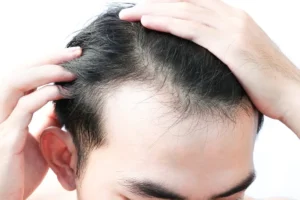
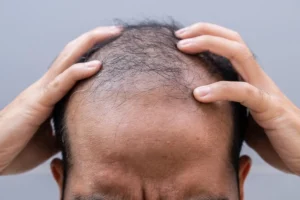
Identifying whether cortisol is the culprit involves observing the pattern and timing of hair loss. Unlike pattern baldness, stress‑related shedding typically presents as diffuse thinning rather than receding hairlines or bald patches.
Key indicators include:
- Sudden increase in hair on the pillow or in the shower drain.
- Hair falling out in clumps when gently combed.
- Noticeable shedding that began after a stressful event (e.g., job loss, illness).
- Absence of visible scalp inflammation or scarring.
It is also helpful to assess accompanying symptoms of high cortisol, such as persistent fatigue, weight gain around the abdomen, or difficulty sleeping. If you answer “yes” to several of these points, a hormonal evaluation may be warranted.
While stress hair loss can be alarming, it is often reversible once cortisol levels normalize. However, prolonged exposure may lead to permanent follicular damage, emphasizing the importance of early intervention.
Managing Cortisol Levels Naturally
Reducing cortisol is a cornerstone of preventing further hair loss and supporting regrowth. Lifestyle adjustments, nutrition, and stress‑management techniques work synergistically to bring hormone levels back into balance.
Effective strategies include:
- Regular physical activity: Moderate aerobic exercise lowers cortisol by promoting endorphin release.
- Sleep hygiene: Aim for 7‑9 hours of uninterrupted sleep; poor sleep spikes cortisol.
- Mind‑body practices: Meditation, deep‑breathing, and yoga have been shown to reduce HPA‑axis activation.
- Balanced diet: Incorporate foods rich in omega‑3 fatty acids, magnesium, and B‑vitamins.
| Food | Key Nutrient | Benefit for Cortisol |
|---|---|---|
| Salmon | Omega‑3 | Anti‑inflammatory, stabilizes mood |
| Spinach | Magnesium | Helps regulate stress response |
| Greek yogurt | Probiotics | Supports gut‑brain axis, lowers cortisol |
| Dark chocolate (70%+) | Theobromine | Improves serotonin, reduces stress |
In addition to lifestyle changes, consider limiting caffeine and alcohol, both of which can exacerbate cortisol spikes. If natural methods are insufficient, a healthcare professional may recommend short‑term pharmacologic options to modulate the HPA axis.
When to Seek Professional Hair Restoration Treatment
If you have addressed stressors yet continue to lose hair, it may be time to explore medical options. Persistent shedding beyond six months, or the appearance of bald patches, suggests that follicles could have entered a permanent miniaturization phase.
Professional interventions include:
- Medical evaluation: Blood tests to confirm cortisol levels, thyroid function, and nutritional deficiencies.
- Topical and oral therapies: Minoxidil, finasteride, or anti‑inflammatory agents prescribed by a dermatologist.
- Hair transplant procedures: Techniques such as Follicular Unit Extraction (FUE) and Direct Hair Implantation (DHI) offered by experienced clinics.
- Scalp micro‑needling: Stimulates blood flow and can complement pharmacologic treatment.
Choosing a reputable clinic ensures that you receive personalized care, transparent communication, and state‑of‑the‑art technology. Gold City Hair, for example, combines decades of experience with a patient‑first philosophy, making it a reliable partner for those ready to restore confidence through lasting hair solutions.
Why Choose Gold City Hair
Gold City Hair has been delivering safe, effective hair restoration in Turkey since 2017. Our team specializes in advanced FUE and DHI techniques, offering individualized treatment plans that address each patient’s unique hair‑loss pattern. We prioritize transparent communication, ensuring you understand every step of the process—from initial hormone assessment to post‑procedure care. With a focus on natural‑looking results and lasting confidence, Gold City Hair is a trusted choice for anyone seeking a comprehensive solution to stress‑related hair loss.
Ready to take control of your hair health? Contact Gold City Hair today for a personalized consultation and discover how we can help you regain a fuller, healthier scalp.
Book your appointment now and start the journey toward lasting confidence.
FAQ
Can high cortisol cause hair loss?
Yes, chronic high cortisol can disrupt the hair growth cycle and lead to diffuse shedding known as telogen effluvium.
What is telogen effluvium and how is it related to stress?
Telogen effluvium is a form of diffuse hair shedding caused by a large number of follicles entering the telogen phase, often triggered by stress and high cortisol.
How can I tell if my hair loss is due to stress hormones?
Look for diffuse thinning, sudden shedding after a stressful event, and accompanying cortisol‑related symptoms like fatigue or weight gain.
What natural methods help lower cortisol to prevent hair loss?
Regular moderate exercise, adequate sleep, mindfulness practices, and a diet rich in omega‑3s, magnesium, and B‑vitamins can reduce cortisol levels.
When should I consider professional hair restoration for stress‑related shedding?
If shedding persists beyond six months despite lifestyle changes or if you notice bald patches, it’s time to seek medical treatment.
How does cortisol affect the hair growth cycle?
High cortisol shortens the anagen (growth) phase and prolongs the telogen (resting) phase, leading to increased shedding.