Hereditary hair loss is a common concern that affects millions of men and women worldwide. While genetics play a central role, the condition often intertwines with hormonal factors, lifestyle, and environmental influences. Recognizing how hereditary patterns manifest can empower you to take proactive steps before noticeable thinning becomes a permanent issue. Studies show that up to 80% of men experience some form of hereditary hair loss by age 50, and a significant portion of women notice gradual thinning after menopause.
In this article we will examine the underlying causes, identify early warning signs, and review the most effective medical and surgical solutions available today. Whether you are just beginning to see a receding hairline or are coping with extensive balding, understanding the science behind hereditary hair loss will guide you toward the right treatment path.
We will also highlight why Gold City Hair, a leading Turkish hair restoration clinic, is uniquely positioned to deliver personalized, high‑quality care for those seeking lasting results.
What Causes Hereditary Hair Loss?
Genetics is the primary driver behind hereditary hair loss, often referred to as androgenetic alopecia. This condition is linked to the sensitivity of hair follicles to dihydrotestosterone (DHT), a derivative of testosterone that shrinks follicles over time. The inheritance pattern is polygenic, meaning multiple genes from both parents can contribute, which explains why the condition may appear stronger on one side of the family.
- Androgenetic alopecia: The most common form, affecting both men (male pattern baldness) and women (female pattern baldness).
- Family history: Presence of baldness in close relatives, especially on the maternal side, increases risk.
- Hormonal influence: Elevated DHT levels accelerate follicle mini‑aturation.
- Age: The likelihood of hair thinning rises with age, typically starting in the late teens for men and the 30s for women.
Other forms of alopecia, such as alopecia areata, can coexist but are usually autoimmune rather than hereditary. Understanding the distinction helps tailor treatment—while medication may slow hormonal‑driven loss, autoimmune alopecia often requires different therapeutic approaches.

Recognizing Early Signs and Patterns
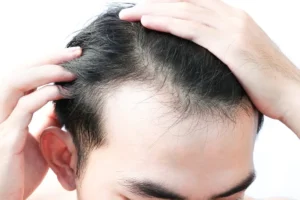
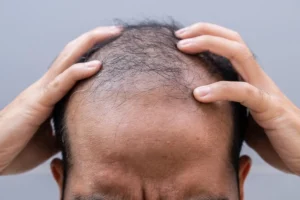
Early detection of hereditary hair loss enables timely intervention. Typical patterns differ between men and women but share common indicators such as thinning at the crown, a receding hairline, and overall reduction in hair density.
| Feature | Male Pattern Baldness | Female Pattern Baldness |
|---|---|---|
| Initial Area | Receding hairline (temples) and crown | Diffuse thinning over the top |
| Progression | Hairline forms an “M” shape; bald spot enlarges | Widening part line, retaining frontal hair |
| Hair Thickness | Rapid mini‑aturation of follicles | Gradual reduction, often retaining some density |
Additional warning signs include increased hair shedding during washing, a visible bald spot on the scalp, and a noticeable change in hair texture. If you notice any of these symptoms, consulting a specialist early can help determine whether the loss is hereditary or caused by other factors such as telogen effluvium or traction alopecia.
Medical and Non‑Surgical Treatment Options
When hereditary hair loss is identified, a range of interventions can slow progression or restore density. Treatment choice depends on the stage of loss, gender, and personal preferences.
Pharmacologic Therapies
- Finasteride: An oral DHT blocker approved for men; reduces hair follicle mini‑aturation.
- Minoxidil (Rogaine): A topical solution available in 2% and 5% concentrations, effective for both genders.
- Spironolactone: Used off‑label for women to counteract androgen effects.
Non‑Surgical Procedures
- Low‑Level Laser Therapy (LLLT): Stimulates cellular activity in the scalp.
- Platelet‑Rich Plasma (PRP) Injections: Uses your own blood platelets to promote growth.
- Scalp Microneedling: Enhances absorption of topical treatments.
While medications like finasteride and minoxidil can halt further loss, they generally do not regrow extensive balding areas. Combining pharmacologic therapy with non‑surgical methods often yields the best outcomes, especially in early stages of hereditary hair loss.
How Hair Transplant Techniques Address Hereditary Hair Loss
For individuals with moderate to advanced hereditary hair loss, surgical restoration offers permanent, natural‑looking results. Gold City Hair specializes in two leading techniques: Follicular Unit Extraction (FUE) and Direct Hair Implantation (DHI).
| Technique | Procedure | Advantages |
|---|---|---|
| FUE | Individual follicles are harvested and implanted manually. | Minimal scarring, high graft survival, flexible donor area. |
| DHI | Follicles are loaded into a Choi pen and implanted without creating recipient sites first. | Faster implantation, higher precision, denser results. |
Both methods target the permanent donor zone—typically the back of the scalp—where follicles are genetically resistant to DHT. By redistributing these robust hairs to balding zones, the transplant effectively counters the underlying hereditary pattern. Post‑operative care, including gentle washing and medication, supports graft survival and maximizes the final aesthetic outcome.
Lifestyle Tips to Support Hair Health
Even with genetic predisposition, everyday habits can influence the severity of hereditary hair loss. Integrating supportive lifestyle choices can enhance the effectiveness of medical or surgical treatments.
- Nutrition: Eat a diet rich in biotin, zinc, iron, and omega‑3 fatty acids to nourish follicles.
- Stress Management: Chronic stress elevates cortisol, which may exacerbate hair shedding.
- Avoid Harsh Styling: Limit tight hairstyles and excessive heat to prevent traction alopecia.
- Scalp Hygiene: Use mild shampoos and avoid over‑washing to maintain a healthy scalp environment.
Regular exercise improves circulation, delivering essential nutrients to the scalp. Staying hydrated and protecting hair from UV damage with hats or sunscreen also contributes to overall hair resilience, helping you maintain the results achieved through treatment.
Why Choose Gold City Hair for Your Hair Restoration
Gold City Hair combines over six years of expertise with cutting‑edge FUE and DHI technologies to deliver consistent, natural results for hereditary hair loss. Our team provides a personalized consultation, a transparent treatment plan, and post‑procedure support to ensure lasting confidence. Located in Turkey, we offer world‑class care at competitive prices while maintaining the highest standards of safety and patient satisfaction.
Ready to take control of your hereditary hair loss? Contact Gold City Hair today to schedule a confidential consultation and discover the best solution for your unique needs.
Experience a transformation that restores not only your hair but also your confidence.
FAQ
What is hereditary hair loss and how does it differ between men and women?
Hereditary hair loss, also called androgenetic alopecia, is a genetic condition that causes thinning of the scalp hair, showing distinct patterns in men and women.
What are the main causes of hereditary hair loss?
The primary cause is genetics, specifically the polygenic inheritance of follicles sensitive to DHT, with hormonal and age factors influencing severity.
How can I recognize early signs of hereditary hair loss?
Early signs include a receding hairline, thinning at the crown, increased shedding during washing, and a widening part line in women.
What medical and non‑surgical treatments are available for hereditary hair loss?
Options include finasteride, minoxidil, spironolactone, low‑level laser therapy, PRP injections, and scalp microneedling.
How do FUE and DHI hair transplant techniques work for hereditary hair loss?
FUE extracts individual follicles for manual implantation, while DHI loads follicles into a Choi pen for direct, precise placement without pre‑made sites.
Can lifestyle changes help reduce hereditary hair loss?
Yes, proper nutrition, stress management, gentle hair care, and scalp hygiene can support follicle health and complement medical treatments.