If you’ve ever wondered what does a dead hair follicle look like, you’re not alone. Many people notice thinning patches or broken strands and question whether the underlying follicles are still active. Understanding the visual cues of a non‑viable follicle is essential for early intervention and preserving scalp health. In fact, studies show that up to 30% of hair loss cases stem from unnoticed follicle damage, making timely detection a key factor in successful treatment.
This article will walk you through the appearance of a dead follicle, the anatomy that determines its health, common causes of follicle demise, and the steps you can take to diagnose and treat the condition. By the end, you’ll be equipped with the knowledge to differentiate between normal shedding and signs that warrant professional attention.
We’ll also explore how advanced hair restoration clinics, such as Gold City Hair, assess follicle viability and offer personalized solutions to restore a natural, healthy hairline.
Identifying a Dead Hair Follicle: Visual Cues and Symptoms
Recognizing a non‑functional follicle begins with careful observation of the scalp and hair shaft. While a live follicle continuously produces a new strand, a dead one ceases this activity, leading to distinct visual markers.
- Hair that breaks easily at the root
- Persistent bald spots that do not fill in over months
- Miniaturized hairs that appear thin, short, and color‑less
- Scalp that feels smooth or slightly raised where follicles have collapsed
Below is a comparison table highlighting differences between healthy and dead follicles:
| Feature | Healthy Follicle | Dead Follicle |
|---|---|---|
| Hair shaft | Strong, flexible, continuous growth | Fragile, breaks at the root, no new growth |
| Scalp texture | Fine pores, slight elevation | Flat or slightly indented, no pore activity |
| Color | Consistent pigment | Greyed or translucent strands |
These signs are often subtle, so a thorough self‑examination or consultation with a trichologist can clarify whether a follicle is truly dead.
Understanding Hair Follicle Anatomy and Why Follicles Die
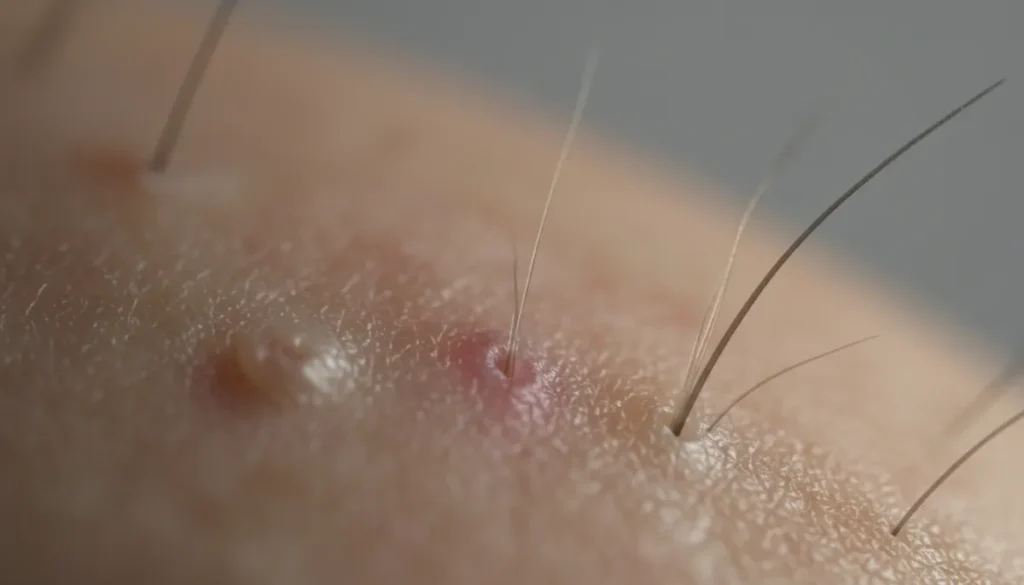
The hair follicle is a complex mini‑organ composed of several key structures that work together to generate the hair strand. At its base lies the hair bulb, which houses the dermal papilla—a cluster of specialized cells that supply nutrients and growth signals. Surrounding the bulb are the inner and outer root sheaths, which protect the emerging hair.
When any part of this system is compromised, the follicle may enter a dormant state or die outright. Factors such as reduced blood flow, inflammation, or genetic mutations can impair the papilla’s ability to stimulate keratinocyte proliferation, halting hair production.
Key anatomical components:
- Dermal Papilla: Provides vascular support and growth factors.
- Hair Bulb: Site of cell division that forms the hair shaft.
- Inner Root Sheath: Shapes and guides the emerging hair.
- Outer Root Sheath: Connects the follicle to the epidermis.
- Sebaceous Gland: Produces oil that lubricates the follicle.
The following table outlines the stages of follicle health and the typical visual outcomes at each stage:
| Stage | Biological Activity | Visual Appearance |
|---|---|---|
| Anagen (Growth) | Active cell division, strong papilla signaling | Thick, pigmented hair; scalp shows fine pores |
| Catagen (Regression) | Follicle shrinks, reduced signaling | Miniaturized hairs, slight thinning |
| Telogen (Resting) | Follicle dormant, no growth | Shedding hairs, scalp appears normal |
| Involution (Death) | Cell death, papilla degeneration | Broken hairs at root, flat scalp, no new growth |
Understanding this anatomy helps clinicians pinpoint the exact point of failure when evaluating why a follicle may have ceased functioning.
Common Causes of Follicle Death: From Genetics to Scalp Health
Many factors can lead a follicle to become non‑viable. While genetics play a major role in androgenic alopecia, environmental and lifestyle elements also contribute to follicle degeneration.
Primary causes include:
- Genetic predisposition: Inherited sensitivity to dihydrotestosterone (DHT) shrinks follicles over time.
- Chronic inflammation: Scalp conditions such as seborrheic dermatitis block hair glands and damage the papilla.
- Hormonal imbalances: Thyroid disorders or cortisol spikes can disrupt the hair growth cycle.
- Physical trauma: Repeated pulling, tight hairstyles, or harsh chemical treatments cause follicle rupture.
- Nutrient deficiencies: Lack of iron, zinc, or biotin reduces the energy supply to the papilla.
Below is a concise table linking each cause to its typical visual sign on the scalp:
| Cause | Typical Sign | Impact on Follicle |
|---|---|---|
| Androgenic alopecia | Receding hairline, vertex thinning | Shrinkage of papilla, shortened anagen phase |
| Scalp inflammation | Red patches, flaky skin | Blocked follicles, increased catagen entry |
| Hormonal imbalance | Diffuse shedding, texture change | Disrupted growth cycle, premature telogen |
| Physical trauma | Localized bald spots, broken hairs | Follicle rupture, necrosis |
| Nutrient deficiency | Fine, limp hair | Reduced papilla nutrition, weak shaft |
By recognizing these underlying factors, individuals can address root causes before the follicle reaches the point where the question what does a dead hair follicle look like becomes a concern.
Diagnosing Follicle Health: When to Seek Professional Evaluation
Self‑assessment is valuable, but a definitive diagnosis often requires clinical tools. Dermatologists and hair restoration specialists employ several techniques to evaluate follicle viability.
- Trichoscopy: A dermatoscope provides magnified images of the scalp, revealing miniaturized hairs and follicular openings.
- Scalp biopsy: Small tissue samples examined under a microscope to assess papilla health.
- Blood tests: Identify hormonal or nutritional deficiencies that may affect follicle function.
- Phototrichogram: Tracks hair growth rate and density over time using standardized photography.
These methods help answer the critical question of whether a follicle is still alive or has entered irreversible decline. Early detection enables interventions such as medication, PRP therapy, or transplantation before extensive follicle loss occurs.
Below is a quick reference chart for common diagnostic tools and what they reveal:
| Tool | What It Shows | Typical Use |
|---|---|---|
| Trichoscopy | Follicular density, miniaturization, inflammation | Initial screening |
| Scalp Biopsy | Cellular health of papilla, presence of scarring | Confirmatory diagnosis |
| Blood Panel | Hormone levels, iron, zinc, vitamin D | Identify systemic contributors |
| Phototrichogram | Growth rate (mm/day), hair density | Monitor treatment efficacy |
If you notice any of the visual signs described earlier, scheduling a consultation with a qualified clinic is advisable.
Treatment Options and Prevention Strategies for Maintaining Healthy Follicles
Once a dead follicle is identified, several therapeutic pathways can either revive borderline follicles or replace lost ones. Modern hair restoration offers both medical and surgical solutions.
- Medical therapies: Finasteride and minoxidil improve blood flow to the papilla and prolong the anagen phase.
- Platelet‑rich plasma (PRP): Concentrated growth factors stimulate dormant follicles.
- Low‑level laser therapy (LLLT): Enhances cellular metabolism in the hair bulb.
- Hair transplantation (FUE, DHI): Relocates healthy follicles from donor areas to bald zones, ensuring permanent restoration.
- Lifestyle adjustments: Balanced diet, stress management, and gentle hair care reduce future follicle loss.
The table below summarizes each approach, its mechanism, and expected outcomes:
| Treatment | Mechanism | Typical Result |
|---|---|---|
| Finasteride | DHT inhibition | Slowed hair loss, modest regrowth |
| Minoxidil | Vasodilation, follicle stimulation | Increased density, thicker strands |
| PRP | Growth factor delivery | Revitalized miniaturized follicles |
| LLLT | Cellular energy boost | Improved shaft thickness |
| FUE/DHI Transplant | Relocation of viable follicles | Permanent, natural‑looking hair |
Preventive care is equally important. Regular scalp massages, avoiding harsh chemicals, and maintaining adequate iron and vitamin D levels can preserve follicle vitality and reduce the likelihood of encountering the visual signs discussed earlier.
Why Choose Gold City Hair for Your Hair Restoration Journey
Gold City Hair has been delivering personalized hair restoration solutions in Turkey since 2017. Our clinic combines cutting‑edge FUE and DHI techniques with a transparent, patient‑focused approach. Every treatment plan is tailored to the individual’s follicle health, ensuring optimal graft survival and natural results. With a team of experienced surgeons and a commitment to continuous education, we provide reliable, safe, and effective solutions for those seeking to restore confidence through healthy hair.
Ready to assess your scalp and discover the best path forward? Contact Gold City Hair today for a personalized consultation and take the first step toward revitalized, thriving hair.
FAQ
What does a dead hair follicle look like?
A dead hair follicle shows broken hairs at the root, flat or indented scalp areas, miniaturized or color‑less strands, and persistent bald spots that do not fill in over time.
How can I tell if my hair follicle is dead or just shedding?
Shedding follicles still produce new growth, while dead follicles show no regrowth, broken roots, and persistent bald areas.
What are the main causes of hair follicle death?
Key causes include genetic predisposition to DHT, chronic scalp inflammation, hormonal imbalances, physical trauma, and nutrient deficiencies.
Which diagnostic tools can determine follicle viability?
Trichoscopy, scalp biopsy, blood panels, and phototrichograms are commonly used to assess follicle health.
What treatment options are available for dead hair follicles?
Options include medical therapies (minoxidil, finasteride), PRP, low‑level laser therapy, and surgical transplantation (FUE, DHI).
Can lifestyle changes prevent follicle death?
Yes; a balanced diet, stress reduction, and gentle hair care can protect follicles and reduce the risk of death.





