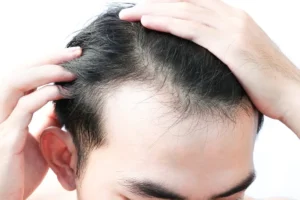
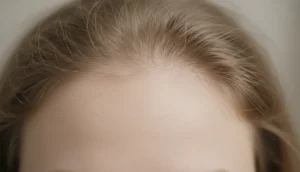
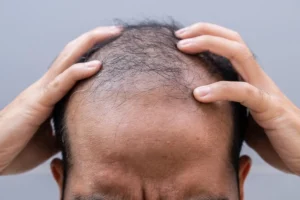
Hair loss at part is a common concern that many men and women notice when a visible thinning or bald spot appears along the natural division of their hair. This specific pattern can be unsettling because it often draws immediate attention to the scalp, affecting confidence and personal style. In fact, studies show that up to 40 % of people with early‑stage alopecia notice thinning first at the part line.
This article explores the underlying reasons behind hair loss at part, how to accurately identify the problem, and which treatment paths—both non‑surgical and surgical—offer the best chance of restoring a full, natural look. Whether you’re dealing with a subtle recession or a pronounced bald spot, understanding the mechanisms at play will help you make informed decisions.
We’ll also discuss why a personalized approach matters, especially when considering advanced hair restoration techniques offered by Gold City Hair, a leading clinic in Turkey known for its transparent communication and patient‑focused care.
Common Causes of Hair Loss at the Part
The part line is often the first place where hair thinning becomes noticeable, but the reasons vary widely. Recognizing the root cause is essential for selecting the most effective treatment.
Hormonal Factors
Hormonal fluctuations, particularly changes in dihydrotestosterone (DHT), can trigger androgenetic alopecia, commonly known as male or female pattern baldness. DHT binds to hair‑follicle receptors, shortening the growth phase and leading to miniaturized strands that eventually fall out.
Genetic Patterns
Family history plays a significant role. If close relatives experienced a receding hairline or thinning at the crown, you may be predisposed to similar patterns, including hair loss at part. This genetic predisposition often manifests as a gradual widening of the part line over the years.
Mechanical Stress
Frequent styling that pulls the hair—such as tight ponytails, braids, or aggressive brushing—can cause traction alopecia. Over time, the constant tension weakens follicles, especially around the part where the hair is most often pulled.
Medical Conditions
Autoimmune disorders like alopecia areata can produce sudden, patchy hair loss that may include the part area. Additionally, telogen effluvium—a temporary shedding phase triggered by stress, illness, or nutritional deficiencies—often results in diffuse thinning that is first noticed at the part.
- Hormonal imbalance (DHT)
- Genetic predisposition (androgenetic alopecia)
- Traction from styling habits
- Autoimmune conditions (alopecia areata)
- Telogen effluvium due to stress or illness
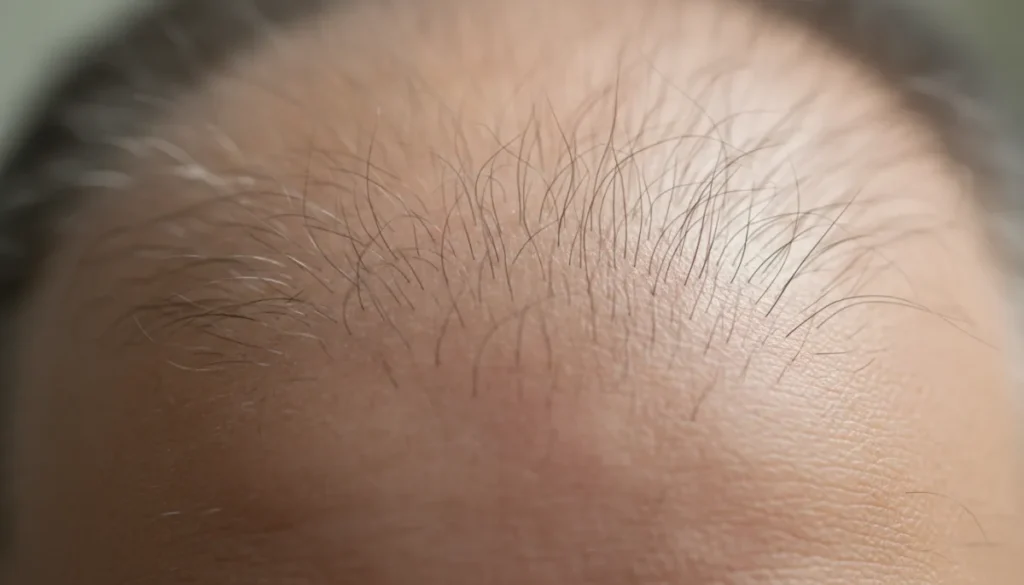
How to Identify and Diagnose the Issue
Accurate diagnosis is the cornerstone of effective treatment. While a simple visual check can provide clues, a professional assessment ensures that underlying conditions are not overlooked.
Self‑Examination Tips
Stand in front of a mirror with good lighting and part your hair as you normally would. Look for the following signs:
- Widening of the part line over weeks or months.
- Visible bald spots or “bald spot” patches along the part.
- Fine, short hairs replacing previously thick strands.
Professional Evaluation
A dermatologist or a certified hair‑restoration specialist can perform a trichoscopic examination, which magnifies the scalp to reveal follicle health, miniaturization, and inflammation. In some cases, a scalp biopsy may be recommended to differentiate between alopecia areata and other forms of hair loss.
| Aspect | Self‑Check | Clinic Assessment |
|---|---|---|
| Visibility of thinning | Subjective, may miss early signs | Objective, high‑magnification imaging |
| Underlying cause | Guesswork based on observation | Laboratory tests, biopsy if needed |
| Treatment recommendation | General over‑the‑counter advice | Tailored plan including medical or surgical options |
Non‑Surgical Strategies to Camouflage or Reduce Hair Loss at the Part
Before opting for surgery, many individuals explore non‑invasive methods that can either hide the thinning or stimulate new growth. These approaches are often used in combination for optimal results.
Styling Techniques
Adjusting the way you part your hair can instantly mask the affected area. A slightly off‑center or deeper side part can conceal the thinning zone, while layered cuts add volume and texture.
Topical Treatments
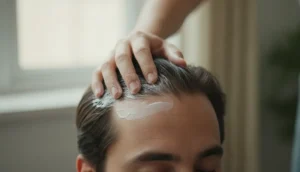
Products containing minoxidil are FDA‑approved for stimulating hair growth. Regular application can thicken existing strands, especially when the condition is early‑stage androgenetic alopecia.
Low‑Level Light Therapy (LLLT)
LLLT devices emit red light that penetrates the scalp, increasing cellular metabolism and blood flow. Clinical studies suggest modest improvement in hair density after consistent use for several months.
Nutrition and Supplements
Ensuring adequate intake of biotin, zinc, iron, and omega‑3 fatty acids supports follicle health. While supplements alone won’t reverse severe alopecia, they complement other treatments.
- Adjust parting style and use volumizing products
- Apply minoxidil 2% (women) or 5% (men) solution daily
- Use a certified LLLT comb or helmet for 15‑30 minutes, 3‑4 times a week
- Incorporate a balanced diet rich in hair‑supporting nutrients
These methods can be effective for many, but if hair loss at part continues to progress despite diligent care, it may be time to explore surgical options.
When to Consider Hair Transplant Options
If non‑surgical measures fail to halt or reverse the thinning, a hair transplant may offer a permanent solution. Modern techniques such as Follicular Unit Extraction (FUE) and Direct Hair Implantation (DHI) are particularly suited for restoring the part line because they allow precise placement of grafts.
Assessing Suitability
Ideal candidates have sufficient donor hair—usually from the back or sides of the scalp—and realistic expectations about density and coverage. A thorough consultation will evaluate donor area quality, scalp laxity, and the extent of the bald spot.
Procedure Overview
During an FUE session, individual follicular units are harvested and then meticulously implanted along the part line, matching the natural hair angle and direction. DHI utilizes a specialized implanter pen, reducing handling time and potentially improving graft survival.
| Technique | Key Advantage | Typical Recovery Time |
|---|---|---|
| FUE | Minimal scarring, precise graft placement | 7‑10 days for mild redness |
| DHI | Higher graft survival, no need for pre‑made incisions | 5‑8 days for mild swelling |
Expected Outcomes
Patients typically see noticeable growth within 3‑4 months, with full density emerging around 12‑18 months. Because the part line is a visible zone, surgeons pay extra attention to hair angle, ensuring a natural look that blends seamlessly with existing hair.
Post‑Procedure Care and Long‑Term Maintenance
Successful restoration depends not only on the surgery itself but also on diligent after‑care. Following the clinic’s guidelines helps maximize graft survival and long‑term hair health.
Immediate Post‑Op Care
Keep the scalp clean using a gentle, prescribed shampoo. Avoid direct sun exposure, heavy sweating, and tight headwear for the first two weeks.
Medication and Supplements
Doctors often prescribe anti‑inflammatory medication and may recommend continued use of minoxidil to support graft growth. Nutritional supplements that include biotin and zinc can further enhance results.
Long‑Term Lifestyle Tips
- Maintain a balanced diet rich in protein and essential vitamins.
- Limit harsh chemical treatments and excessive heat styling.
- Schedule regular follow‑up appointments to monitor progress.
- Consider periodic low‑level light therapy to sustain density.
By adhering to these guidelines, most patients enjoy lasting, natural‑looking coverage that restores confidence and eliminates the visual impact of hair loss at part.
Why Choose Gold City Hair
Gold City Hair has been delivering personalized hair restoration solutions since 2017. Our clinic specializes in advanced FUE and DHI techniques, ensuring precise graft placement for delicate areas such as the part line. With a focus on transparent communication, each patient receives a tailored treatment plan, detailed pre‑operative counseling, and comprehensive post‑operative support. Our experienced medical team combines international standards with the latest technology, helping you achieve a natural, lasting result.
Ready to regain a full, confident look? Contact Gold City Hair today to schedule a confidential consultation and discover the best solution for your hair loss at part.
Take the first step toward lasting restoration—your journey to fuller hair starts now.
FAQ
What are the most common causes of hair loss at the part?
The main causes include hormonal changes (DHT), genetic predisposition, mechanical stress from styling, autoimmune conditions like alopecia areata, and telogen effluvium due to stress or illness.
How can I self‑examine my hair to detect thinning at the part line?
Stand in good lighting, part your hair as usual, and look for widening of the part, bald patches, or finer hairs replacing thicker strands.
When should I consider a hair transplant for part line thinning?
If non‑surgical methods fail to stop or reverse thinning after several months, and you have sufficient donor hair, a transplant may be appropriate.
What is the difference between FUE and DHI hair transplant techniques?
FUE extracts individual follicular units and implants them after creating recipient sites, while DHI uses a pen‑style implanter that places grafts directly without pre‑made incisions.
How effective are non‑surgical treatments like minoxidil and LLLT for hair loss at the part?
Minoxidil can thicken early‑stage thinning, and LLLT may modestly increase density, but results vary and may not fully restore the part line.
What post‑procedure care is recommended after a hair transplant at the part line?
Keep the scalp clean, avoid sun and heavy sweating for two weeks, use prescribed medication, continue minoxidil, and follow a balanced diet.