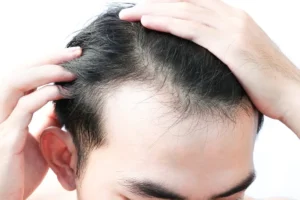
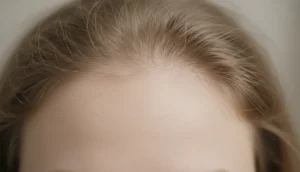
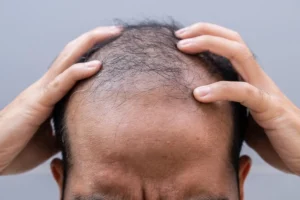
Shedding hair meaning is often misunderstood, leading many to worry that any hair that falls out signals permanent loss. In reality, daily hair shedding is a normal part of the hair growth cycle, but the amount and pattern can reveal underlying issues. Recognizing the difference between normal shedding and a sign of alopecia or other conditions empowers you to take appropriate action early.
On average, people lose 50 to 100 strands each day—a figure that rarely raises alarm. However, when you notice a sudden increase, clumps on your pillow, or thinning patches, it may indicate a shift in the hair cycle or an external factor affecting follicle health. This article breaks down the science behind hair shedding, explores common triggers, and outlines when professional evaluation is advisable.
We will also discuss practical steps to manage everyday shedding and introduce advanced solutions such as hair transplantation for cases where shedding progresses to permanent loss. Whether you are a man noticing a receding hairline or a woman experiencing diffuse thinning, understanding the meaning behind your shedding can guide you toward effective, confidence‑boosting outcomes.
What Is Hair Shedding and How It Differs From Hair Loss
Hair shedding refers to the natural process where hair strands exit the growth phase (anagen) and enter the resting phase (telogen) before being shed. This cycle ensures that new hairs replace old ones, maintaining a healthy density. In contrast, hair loss involves the permanent reduction of follicles, often due to genetic, hormonal, or autoimmune factors.
Key differences include:
- Duration: Shedding is temporary and cyclical; hair loss can be progressive and irreversible.
- Quantity: Normal shedding ranges from 50‑100 hairs per day; loss exceeding this may signal a problem.
- Pattern: Shedding is usually uniform across the scalp, while loss often appears as thinning patches or a receding hairline.
Understanding these distinctions helps you interpret whether your scalp is undergoing a normal renewal or an early stage of telogen effluvium, a condition where stress or illness pushes many hairs into the telogen phase simultaneously.

Common Causes of Increased Hair Shedding
Various internal and external factors can accelerate the shedding cycle, pushing more hairs into the telogen phase. Recognizing the cause is essential for targeted treatment.
| Cause | Mechanism | Typical Signs |
|---|---|---|
| Stress (physical or emotional) | Triggers telogen shift | Diffuse thinning, noticeable on pillow |
| Hormonal changes | Alters growth cycle (e.g., postpartum, menopause) | Patchy shedding, often on crown |
| Nutrient deficiencies | Weakens follicle support | Hair feels brittle, increased breakage |
| Medications | Side‑effects affect follicle metabolism | Sudden onset, may coincide with treatment start |
| Autoimmune conditions | Immune system attacks hair follicles (e.g., alopecia areata) | Round bald spots, rapid shedding |
Other contributors include harsh hair care practices, rapid weight loss, and chronic illnesses. While occasional shedding due to these factors is normal, persistent or severe shedding warrants a deeper look.
When to Seek Professional Help for Hair Shedding
Most people can monitor shedding at home, but certain signs indicate that professional evaluation is advisable. Early consultation can prevent temporary shedding from turning into permanent loss.
- Shedding exceeds 100 hairs per day consistently.
- Visible thinning in specific areas, such as the frontal hairline or crown.
- Clumps of hair appearing in the shower or on your pillow.
- Accompanying scalp symptoms: itching, redness, or pain.
- Rapid hair loss following a major life event (surgery, childbirth, severe illness).
Dermatologists and hair restoration specialists will conduct a thorough examination, which may include a pull test, scalp microscopy, and blood work to rule out underlying conditions like androgenetic alopecia or thyroid disorders. Early diagnosis opens the door to treatments ranging from topical solutions to advanced transplant procedures.
Hair Transplant Options for Persistent Shedding
When shedding progresses to permanent follicle loss, hair transplantation offers a lasting solution. Gold City Hair specializes in state‑of‑the‑art techniques that restore natural density and confidence.
Key transplant methods include:
- Follicular Unit Extraction (FUE): Individual follicles are harvested and implanted, leaving minimal scarring.
- Direct Hair Implantation (DHI): Uses a patented implanter pen for precise placement, reducing trauma.
- Eyebrow and Beard Transplants: Tailored for facial hair restoration, often requested after alopecia.
Each technique is customized based on your hair type, shedding pattern, and aesthetic goals. The process typically involves a pre‑procedure assessment, extraction, and graft placement, followed by a recovery period where shedding may temporarily increase—a normal part of the “shock loss” phase before new growth begins.
Tips to Manage Daily Hair Shedding
While medical interventions address severe cases, everyday habits can help keep shedding within the normal range.
- Gentle cleansing: Use a mild shampoo and avoid vigorous rubbing.
- Balanced nutrition: Ensure adequate protein, iron, zinc, and vitamins D and B12.
- Stress reduction: Practice mindfulness, exercise, or yoga to lower cortisol levels.
- Avoid tight hairstyles: Reduce traction alopecia risk by limiting braids, ponytails, or extensions.
- Limit heat styling: Excessive heat can weaken hair shafts, leading to breakage and perceived shedding.
Regular scalp massages stimulate blood flow, supporting follicle health. If you notice an unexpected change despite these measures, schedule a consultation to explore underlying causes and potential treatments.
Why Choose Gold City Hair
Gold City Hair has been delivering personalized hair restoration solutions in Turkey since 2017. Our team combines extensive experience with the latest FUE and DHI technologies to ensure natural, lasting results. We prioritize transparent communication, thorough pre‑procedure assessments, and after‑care support, helping each client regain confidence through a tailored treatment plan.
Ready to understand your hair shedding and explore lasting solutions? Contact Gold City Hair today for a confidential consultation and take the first step toward a fuller, healthier scalp.
FAQ
What is the normal amount of daily hair shedding?
Typically, people lose between 50 and 100 hairs each day, which is considered normal.
How can I tell if my hair shedding is normal or a sign of hair loss?
Normal shedding is uniform and temporary, while hair loss shows patterned thinning or bald spots.
What are the common causes of increased hair shedding?
Stress, hormonal changes, nutrient deficiencies, medications, and autoimmune conditions are typical triggers.
When should I see a dermatologist for hair shedding?
If shedding exceeds 100 hairs daily, shows localized thinning, or is accompanied by scalp symptoms, seek professional help.
What hair transplant options are available for persistent shedding?
FUE, DHI, and specialized eyebrow or beard transplants are the main techniques offered.
How can I reduce daily hair shedding at home?
Gentle cleansing, balanced nutrition, stress management, avoiding tight hairstyles, and limiting heat styling help keep shedding normal.
What is telogen effluvium and how does it relate to hair shedding?
Telogen effluvium is a temporary condition where stress or illness pushes many hairs into the shedding phase.