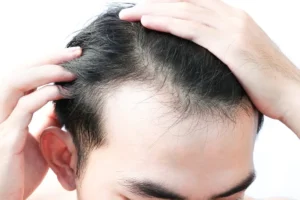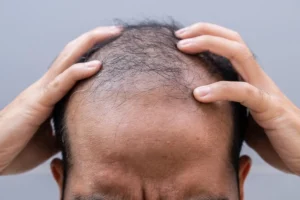
If you’re wondering what vitamins help thinning hair, you’re not alone. Millions of people notice their strands becoming finer each year and search for natural ways to strengthen them. Understanding the role of nutrition in hair health can empower you to make informed choices that promote thicker, stronger growth.
Hair follicles rely on a steady supply of micronutrients to produce keratin, the protein that forms each strand. Deficiencies in key vitamins and minerals can disrupt this process, leading to increased shedding and reduced density. In this article we’ll explore the most effective vitamins, how they interact with diet and supplements, and when medical intervention may be the best path forward.
By the end of this guide, you’ll have a clear roadmap for building a hair‑friendly nutrition plan, selecting quality supplements, and recognizing signs that professional treatment—such as the advanced hair restoration services offered by Gold City Hair—might be necessary.
Essential Vitamins for Hair Thickness
Several vitamins are directly linked to the health of the scalp and hair follicles. Below is a concise overview of the most researched nutrients and how they contribute to thicker hair.
| Vitamin / Mineral | Primary Benefit for Hair | Top Food Sources |
|---|---|---|
| Biotin (Vitamin B7) | Supports keratin production and improves follicle resilience | Egg yolks, nuts, salmon, sweet potatoes |
| Vitamin D | Regulates hair growth cycles; deficiency linked to telogen effluvium | Fatty fish, fortified dairy, sunlight exposure |
| Vitamin E | Antioxidant protection for scalp cells, enhances circulation | Almonds, spinach, avocado, sunflower seeds |
| Vitamin C | Boosts collagen synthesis and iron absorption | Citrus fruits, berries, bell peppers, broccoli |
| Zinc | Essential for DNA and protein synthesis in hair follicles | Oysters, pumpkin seeds, lentils, beef |
| Iron | Delivers oxygen to scalp cells; low iron often causes shedding | Red meat, spinach, legumes, fortified cereals |
When you incorporate these nutrients consistently, many people notice reduced breakage and a gradual increase in shaft diameter. However, it’s crucial to balance intake; excessive supplementation—especially of iron or zinc—can cause adverse effects.
How Diet and Lifestyle Influence Hair Health
Beyond isolated vitamins, overall dietary patterns and lifestyle habits play a pivotal role in whether hair thrives or thins. A diet for good hair growth should be rich in protein, healthy fats, and a variety of micronutrients.
- Protein Intake: Hair is 80% protein. Include lean meats, legumes, dairy, and plant‑based proteins to supply the amino acids needed for keratin.
- Healthy Fats: Omega‑3 fatty acids found in fish, flaxseeds, and walnuts improve scalp circulation and reduce inflammation.
- Hydration: Adequate water supports cellular function and nutrient transport to follicles.
- Stress Management: Chronic stress elevates cortisol, which can push hair follicles into the resting phase, leading to shedding.
- Sleep Quality: Deep sleep encourages hormone regulation, including the growth‑promoting hormone IGF‑1.
Incorporating a variety of colorful vegetables ensures a steady supply of antioxidants, which protect hair follicles from oxidative stress. Foods rich in vitamin C, such as kiwi and strawberries, also enhance iron absorption, further supporting hair density.
For those seeking a structured approach, consider the “hair‑friendly plate” concept: half the plate filled with lean protein, a quarter with colorful vegetables, and the remaining quarter with whole grains and healthy fats.
Supplements vs. Whole Foods: Choosing the Right Approach
When you ask what vitamins help thinning hair, the answer often hinges on whether you obtain them from whole foods or targeted supplements. Both routes have advantages and limitations.
| Aspect | Whole Foods | Supplements |
|---|---|---|
| Absorption | Synergistic nutrients aid natural absorption | Standardized doses, but may lack co‑factors |
| Convenience | Requires meal planning and preparation | Easy daily intake, portable |
| Safety | Low risk of toxicity | Potential for overdose if not monitored |
| Cost | Variable, depends on food choice | Can be pricey for high‑quality formulas |
For most individuals, a nutrient‑dense diet should be the foundation. Supplements become valuable when dietary gaps exist—such as for vegans who may need vitamin B12 or iron, or for people with diagnosed deficiencies confirmed by a healthcare professional.
When selecting a hair growth supplement, look for products that combine biotin, zinc, vitamin D, and a balanced B‑complex. Avoid formulas that promise “miracle” results with unrealistic dosages; they often lack scientific backing.
Common Deficiencies That Lead to Thinning Hair
Identifying the root cause of hair loss often starts with a simple blood test. The following deficiencies are most frequently linked to thinning hair and can be addressed through diet, supplementation, or medical treatment.
- Iron Deficiency: The leading cause of hair loss in women; symptoms include fatigue and pale skin.
- Vitamin D Deficiency: Low levels correlate with reduced follicle activity and delayed growth cycles.
- Zinc Deficiency: Can cause brittle hair and slowed regrowth after shedding.
- Biotin Deficiency: Rare but can result in hair thinning and brittle nails.
- Essential Fatty Acid Deficiency: Leads to dry scalp and weak hair shafts.
Addressing these gaps early can halt further thinning and lay the groundwork for regrowth. If you suspect a deficiency, consult a dermatologist or a qualified medical professional for testing and personalized recommendations.
While correcting nutrient shortfalls often yields noticeable improvement within three to six months, persistent thinning despite optimal nutrition may signal a deeper hormonal or genetic factor, prompting a discussion about advanced hair restoration options.
When to Seek Professional Treatment for Persistent Thinning
Even with the best diet and targeted supplements, some individuals continue to experience progressive hair loss. Recognizing when to move beyond nutritional strategies is essential for preserving self‑confidence.
- Rapid Shedding: Losing more than 100 hairs per day for several weeks.
- Patterned Baldness: Receding hairline or crown thinning that follows a predictable pattern.
- Scalp Conditions: Persistent inflammation, dandruff, or psoriasis that interferes with follicle health.
- Family History: Strong genetic predisposition to androgenetic alopecia.
Gold City Hair specializes in state‑of‑the‑art hair transplant techniques such as Follicular Unit Extraction (FUE) and Direct Hair Implantation (DHI). Our personalized consultations evaluate your unique hair loss profile, medical history, and aesthetic goals to design a tailored restoration plan.
Choosing a reputable clinic ensures you receive minimally invasive procedures, natural‑looking results, and comprehensive after‑care. If you’ve tried nutrition‑based solutions and still see thinning, scheduling a professional assessment could be the next decisive step toward lasting confidence.
Why Choose Gold City Hair
Gold City Hair has been delivering personalized hair restoration solutions in Turkey since 2017. Our team combines expertise in FUE, DHI, and eyebrow/beard transplants with transparent communication, ensuring each patient understands every step of the journey. We prioritize natural‑looking results, minimal downtime, and a supportive environment that boosts confidence from the first consultation.
Take the Next Step Toward Fuller Hair
Ready to transform thinning hair into a fuller, healthier look? Contact Gold City Hair today to schedule your personalized consultation and discover the most effective combination of nutrition, supplements, and advanced hair restoration techniques.
Empower your confidence—start your journey now.
FAQ
What vitamins help thinning hair?
Key vitamins include biotin (B7), vitamin D, vitamin E, vitamin C, zinc, and iron.
How does vitamin D affect hair growth?
Vitamin D regulates the hair growth cycle and low levels are linked to telogen effluvium.
Can a balanced diet replace hair growth supplements?
A nutrient‑dense diet should be the foundation, but supplements can fill gaps.
What are common nutrient deficiencies that cause hair thinning?
Iron, vitamin D, zinc, biotin, and essential fatty acids are the most frequent culprits.
When should I consider professional hair restoration treatment?
If rapid shedding, patterned baldness, scalp conditions, or strong family history persist despite nutrition, seek a specialist.
How long does it take to see results from vitamin supplementation?
Visible improvements typically appear after three to six months of consistent use.
Are there risks of taking too much iron or zinc for hair health?
Yes, excessive iron or zinc can cause toxicity, gastrointestinal issues, and interfere with other mineral absorption