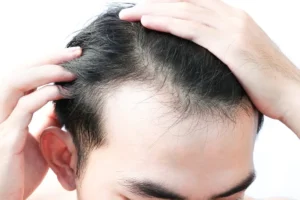
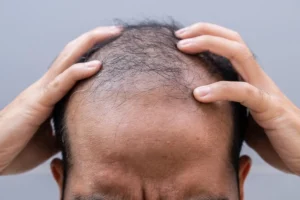
LLLT laser hair therapy is a non‑invasive, clinically proven method that uses low‑level light to stimulate dormant hair follicles and encourage new growth. As hair loss affects millions worldwide, many are turning to this technology for a safe, painless alternative to surgery. Studies show that consistent treatment can increase hair density by up to 30 % within several months, offering a realistic solution for those seeking to restore confidence.
In this article we will explore the science behind LLLT, how a typical session unfolds, and how it compares with other hair restoration options. Whether you are new to light‑based treatments or looking to deepen your understanding, the information below will help you decide if this approach aligns with your goals.
We’ll also discuss what to expect from a qualified clinic like Gold City Hair, where personalized care and transparent communication are core values. Let’s begin by demystifying the technology and its benefits.
Understanding LLLT Laser Hair Therapy
Low‑Level Light Therapy (LLLT) employs specific wavelengths of red and near‑infrared light to trigger cellular activity within the scalp. This process, also known as photobiomodulation, enhances blood flow, reduces inflammation, and stimulates the production of adenosine triphosphate (ATP), the energy source for hair‑forming cells.
Key red light therapy benefits include:
- Improved microcirculation delivering oxygen and nutrients to follicles.
- Activation of stem cells that promote the anagen (growth) phase.
- Reduction of oxidative stress that can accelerate hair thinning.
Unlike high‑intensity lasers used for cutting or ablating tissue, LLLT devices emit low‑power light that is safe for daily use. The most common wavelengths range from 630 nm (visible red) to 850 nm (near‑infrared), each penetrating the scalp to different depths.
Patients often combine LLLT with other supportive measures such as topical minoxidil, a balanced diet, and proper scalp care to maximize results. The therapy is also compatible with other aesthetic procedures, making it a versatile addition to a comprehensive hair restoration plan.

How LLLT Works for Hair Growth
The mechanism behind LLLT is rooted in the way light photons interact with cellular chromophores. When red light penetrates the scalp, it is absorbed by cytochrome c oxidase within mitochondria, leading to increased ATP production. This boost in cellular energy fuels the proliferation of dermal papilla cells, which are essential for hair follicle development.
In addition to ATP, LLLT triggers the release of nitric oxide, a vasodilator that expands blood vessels and improves nutrient delivery. The combined effect accelerates the transition of hair follicles from the resting telogen phase to the active anagen phase.
| Wavelength (nm) | Depth of Penetration | Primary Effect |
|---|---|---|
| 630‑660 | 1‑2 mm | Surface skin health, inflammation reduction |
| 660‑700 | 2‑3 mm | Stimulation of superficial follicles |
| 810‑850 | 3‑5 mm | Deep follicular activation, increased blood flow |
Because the therapy is painless and non‑thermal, it can be safely performed multiple times per week. Many clinics recommend a regimen of 2‑3 sessions weekly for the first three months, followed by maintenance sessions as needed.
What to Expect During a Treatment Session
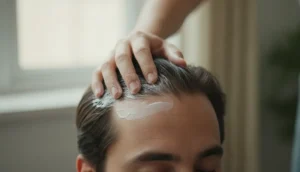
A typical LLLT laser hair session lasts between 15 and 30 minutes, depending on the device and treatment plan. Patients sit comfortably while a helmet, cap, or hand‑held panel delivers uniform light across the scalp.
Steps of a standard session include:
- Initial consultation to assess hair loss pattern and set goals.
- Scalp cleansing to remove oils and debris.
- Placement of the LLLT device, ensuring full coverage.
- Activation of the laser for the prescribed duration.
- Post‑treatment evaluation and scheduling of follow‑up sessions.
Side effects are rare, with most patients reporting only a mild warmth or tingling sensation. The therapy is considered safe for most skin types, and there is no evidence linking red light therapy to cancer when used as directed.
Consistency is key; noticeable improvements typically appear after 12‑16 weeks of regular use. Photographs taken before treatment and at regular intervals help track progress objectively.
Comparing LLLT with Other Hair Restoration Options
While LLLT offers a non‑surgical path to thicker hair, it is one of several strategies available. Understanding the strengths and limitations of each option helps patients make informed decisions.
| Method | Invasiveness | Typical Results | Recovery Time | Maintenance |
|---|---|---|---|---|
| LLLT Laser Hair Therapy | Non‑invasive | 30‑45 % increase in density | None | Regular sessions (2‑3 ×/week) |
| FUE (Follicular Unit Extraction) | Surgical | 70‑90 % permanent graft survival | 7‑10 days | Minimal (shampoo, avoid sun) |
| DHI (Direct Hair Implantation) | Surgical | Similar to FUE, higher precision | 5‑7 days | Low |
| Topical Minoxidil | Non‑invasive | Modest regrowth (10‑15 %) | None | Daily application |
LLLT can be combined with medication or surgical procedures for synergistic effects. For example, patients who have undergone FUE may use LLLT post‑operatively to accelerate healing and improve graft survival.
Choosing a Qualified Provider for LLLT
Success with LLLT depends not only on the technology but also on the expertise of the clinic. Here are essential criteria when selecting a provider:
- Certified medical staff trained in photobiomodulation.
- Use of FDA‑cleared or CE‑marked devices with documented wavelength specifications.
- Transparent treatment protocols and realistic outcome expectations.
- Clean, comfortable facilities that follow strict hygiene standards.
- Post‑treatment support, including follow‑up assessments and personalized care plans.
Gold City Hair meets all these standards, offering state‑of‑the‑art LLLT equipment alongside its renowned hair transplant services. Their multidisciplinary team ensures each patient receives a tailored plan that aligns with individual hair loss patterns and lifestyle.
Why Choose Gold City Hair
Gold City Hair has been delivering aesthetic and cosmetic treatments in Turkey since 2017, specializing in advanced hair restoration techniques such as FUE, DHI, and eyebrow or beard transplants. The clinic prioritizes personalized experiences, transparent communication, and evidence‑based practices. With a dedicated team of certified professionals and a commitment to patient safety, Gold City Hair provides a trusted environment for both surgical and non‑surgical hair solutions, including LLLT laser hair therapy.
Ready to revitalize your hair with proven light therapy? Contact Gold City Hair today to schedule a personalized consultation and discover a treatment plan designed just for you.
Take the first step toward fuller, healthier hair—your confidence is just a call away.
FAQ
What is LLLT laser hair therapy and how does it work?
LLLT laser hair therapy uses low‑level red and near‑infrared light to stimulate cellular activity in the scalp, boosting ATP production and promoting the anagen growth phase.
How many sessions are needed to see results with LLLT?
Most protocols recommend 2‑3 sessions per week for the first three months, with visible improvements typically appearing after 12‑16 weeks.
Is LLLT safe for all skin types?
Yes, LLLT is generally safe for all Fitzpatrick skin types when performed with approved devices and proper protocols.
Can LLLT be combined with other hair loss treatments?
Yes, LLLT can be safely combined with minoxidil, finasteride, and even post‑surgical hair transplant care for synergistic effects.
What should I expect during a typical LLLT session?
A session lasts 15‑30 minutes, during which you sit comfortably while a helmet, cap, or hand‑held panel delivers uniform red light across the scalp.
How do I choose a qualified provider for LLLT?
Look for clinics with certified medical staff, FDA‑cleared or CE‑marked devices, transparent protocols, and strong post‑treatment support.