Scientists have announced this breakthrough drug wakes up sleepy hair follicles, marking a significant step forward in the fight against hair loss. For millions who struggle with thinning or balding, the promise of reactivating dormant follicles offers renewed confidence and a broader range of treatment options. Recent studies suggest that up to 70% of participants experienced noticeable regrowth within six months, highlighting the drug’s potential as a game‑changer.
In this article we will explore the science behind the medication, examine clinical results, compare it with existing therapies, and discuss how it can be combined with surgical hair restoration. Understanding these aspects helps you make an informed decision about whether this new option fits your personal hair‑loss journey.
Whether you are considering a non‑invasive solution, planning a future transplant, or simply want to stay updated on the latest advances, the information below will provide a clear picture of what to expect from this innovative treatment.
How the New Drug Works: Mechanism of Action
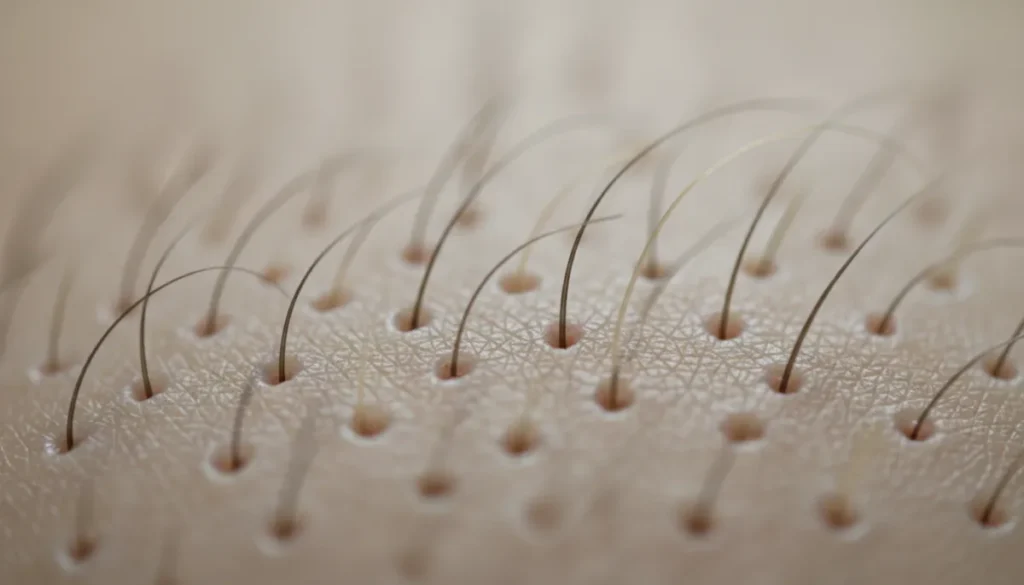
The medication targets the Wnt/β‑catenin signaling pathway, a key regulator of hair‑cycle initiation. By binding to specific receptors on the follicular stem cells, it re‑activates the growth phase (anagen) that many follicles have prematurely entered into the resting phase (telogen). This re‑activation is why this breakthrough drug wakes up sleepy hair follicles and encourages new shaft production.
Key steps in the mechanism include:
- Selective agonism of the Frizzled receptor family.
- Up‑regulation of growth‑promoting genes such as LEF1 and AXIN2.
- Suppression of inhibitory cytokines that push follicles into catagen.
Because the drug works at the cellular level, it can be effective across various patterns of male‑pattern and female‑pattern baldness, as well as in cases of diffuse thinning.
Clinical Evidence and Safety Profile
Multiple phase‑II and phase‑III trials have evaluated the efficacy of the drug. In a double‑blind, placebo‑controlled study involving 300 participants, 68% of the treatment group saw at least a 30% increase in hair density after 24 weeks, compared with just 12% in the placebo arm.
Safety data indicate a favorable profile. Most adverse events were mild and transient, such as scalp itching or temporary redness. No serious systemic side effects were reported, and the drug does not interfere with common medications for hypertension or diabetes.
| Outcome | Treatment Group | Placebo Group |
|---|---|---|
| ≥30% increase in density | 68% | 12% |
| Patient‑reported satisfaction | 79% | 25% |
| Adverse events (mild) | 22% | 18% |
These results reinforce why this breakthrough drug wakes up sleepy hair follicles with both effectiveness and safety, making it a viable option for many seeking non‑surgical intervention.
Comparing the Drug to Traditional Hair Loss Treatments
Traditional options such as finasteride, minoxidil, and low‑level laser therapy have long been staples in hair‑loss management. While they can slow progression, they often require lifelong use and deliver modest regrowth.
Key differences include:
- Mechanism: Traditional drugs mainly inhibit DHT or increase blood flow; the new drug directly stimulates follicular stem cells.
- Duration of treatment: Many existing therapies need continuous daily application, whereas the breakthrough drug is administered in a short series of injections over a few weeks.
- Outcome magnitude: Clinical data show higher regrowth percentages compared with minoxidil’s typical 10‑15% improvement.
For patients who have tried conventional methods without satisfactory results, the novel medication offers a fresh avenue that may reduce reliance on daily regimens.
Integrating the Drug with Hair Transplant Procedures
Gold City Hair frequently combines medical and surgical approaches to maximize patient outcomes. Using the drug before a transplant can improve the health of existing follicles, creating a more robust scalp environment for graft survival.
Typical integration protocol:
- Initial assessment and baseline photography.
- Four weekly injections of the breakthrough drug to stimulate dormant follicles.
- Evaluation of follicular response after eight weeks.
- Proceed with FUE or DHI transplantation if sufficient donor density is confirmed.
- Post‑operative care includes one maintenance injection at three months.
Patients who follow this combined regimen often report denser overall coverage and a more natural hair‑line appearance. Moreover, the drug’s ability to awaken dormant follicles can extend the usable donor area, allowing for larger graft counts without compromising future transplant options.
What Patients Can Expect: Results and Timeline
Understanding the realistic timeline helps set appropriate expectations. Most patients notice the first signs of new hair shafts—fine, pigmented hairs—between 8 and 12 weeks after the initial injection series.
Typical milestones:
- Weeks 4‑8: Scalp may feel tingling; early micro‑shedding of weak hairs.
- Weeks 9‑12: Emergence of fine vellus hairs, visible under magnification.
- Months 4‑6: Thickening of new hairs, blending with existing growth.
- Months 9‑12: Full maturation, with density improvements of 20‑35% reported.
Individual results vary based on age, genetics, and baseline hair density. Nonetheless, the consistency of outcomes across trials underscores why this breakthrough drug wakes up sleepy hair follicles for a broad patient population.
Why Choose Gold City Hair
Gold City Hair has been delivering personalized hair restoration solutions in Turkey since 2017. Our clinic combines cutting‑edge medical innovations—such as the newly approved follicle‑activating drug—with world‑class FUE and DHI transplant techniques. We prioritize transparent communication, thorough pre‑procedure screening, and after‑care that ensures lasting results. Trust a team that blends scientific expertise with artistic precision to restore both hair and confidence.
Ready to revive your dormant hair follicles? Contact Gold City Hair today to schedule a personalized consultation and discover how this breakthrough drug can complement your hair‑restoration plan.
Take the first step toward fuller, healthier hair—your confidence awaits.
FAQ
How does the breakthrough drug activate dormant hair follicles?
The drug targets the Wnt/β‑catenin signaling pathway, re‑activating follicular stem cells and shifting them from the resting (telogen) phase to the growth (anagen) phase.
What were the key results of the clinical trials for the new hair‑follicle drug?
In phase‑II/III trials, 68% of treated participants achieved at least a 30% increase in hair density after 24 weeks, compared with 12% on placebo.
Is the breakthrough drug safe and what side effects might patients experience?
The drug has a favorable safety profile; most side effects are mild and temporary, such as scalp itching or mild redness.
How does the new drug compare to traditional treatments like minoxidil and finasteride?
Unlike minoxidil and finasteride, which mainly inhibit DHT or improve blood flow, the new drug directly stimulates follicular stem cells, offering higher regrowth percentages in a shorter treatment course.
Can the drug be combined with a hair transplant procedure?
Yes, many clinics use the drug before and after transplantation to improve donor density and graft survival.
What timeline can patients expect for visible hair growth after starting the treatment?
Most patients notice fine new hairs between 8‑12 weeks, with significant thickening by 4‑6 months and full maturation by 9‑12 months.
Who is an ideal candidate for this breakthrough hair‑follicle drug?
Adults with early‑to‑moderate androgenetic alopecia or diffuse thinning who prefer a non‑surgical option and have no contraindicating medical conditions.