If you’re looking to prevent hair shedding, understanding the underlying causes is essential. Many people notice more strands on their pillow or in the shower and assume it’s a sign of permanent loss, but temporary shedding can often be managed with the right approach. In this article we’ll explore the science behind shedding, lifestyle adjustments, effective treatments, and when professional help is the best path forward.
According to dermatological research, up to 30% of adults experience noticeable shedding at some point, yet only a fraction seek timely advice. Early intervention not only reduces the amount of hair lost but also supports healthier regrowth. Below, you’ll find practical steps you can take today to keep your hair looking fuller and feeling stronger.
Whether you’re dealing with seasonal thinning, stress‑related loss, or early signs of androgenic alopecia, the strategies outlined here are designed to be safe, evidence‑based, and easy to incorporate into daily life.
Understanding Why Hair Shedding Happens
Hair grows in cycles: anagen (growth), catagen (transition), and telogen (rest). On average, 85‑90% of follicles are in the anagen phase, while the remaining 10‑15% are in telogen, the stage where shedding naturally occurs. When this balance is disrupted, shedding can become excessive.
Natural Shedding Cycle
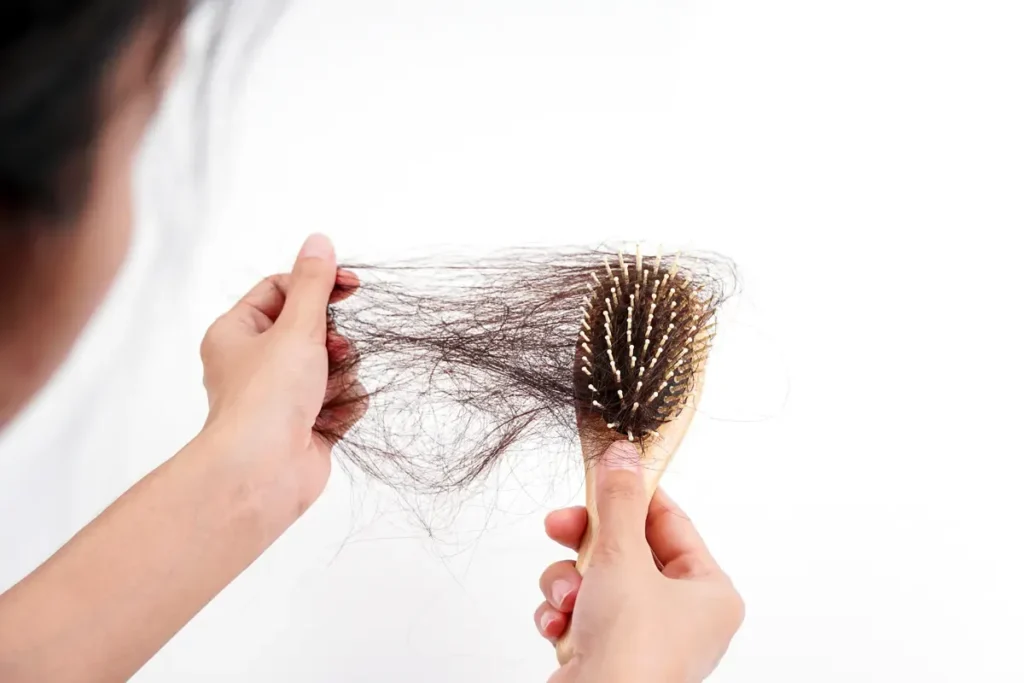
During the telogen phase, each follicle releases a strand after about 2‑3 months. This is why losing 50‑100 hairs per day is considered normal. However, factors such as hormonal shifts, nutritional deficiencies, and environmental stressors can push more follicles into the telogen stage, leading to visible loss.
Common Triggers for Increased Shedding
- Hormonal changes (pregnancy, menopause, thyroid disorders)
- High stress levels or chronic anxiety
- Poor nutrition, especially lack of iron, zinc, and biotin
- Harsh hair care practices (tight hairstyles, excessive heat)
- Medical conditions and certain medications
Identifying which of these hair loss causes affect you is the first step toward effective prevention.
Lifestyle Changes to Reduce Shedding
Everyday habits have a profound impact on hair health. Simple adjustments to diet, stress management, and sleep can create an environment where follicles thrive.
Nutrition and Supplements
Hair is primarily composed of keratin, a protein that requires adequate amino acids, iron, and vitamins to form. Including the following foods in your meals can strengthen strands and minimize shedding:
| Food Group | Key Nutrient | Benefit for Hair |
|---|---|---|
| Leafy Greens | Iron & Vitamin A | Supports oxygen transport to follicles |
| Fatty Fish | Omega‑3 Fatty Acids | Reduces inflammation, promotes scalp health |
| Nuts & Seeds | Zinc & Selenium | Essential for hair growth cycle regulation |
| Eggs | Biotin & Protein | Provides building blocks for keratin |
Supplementing with biotin, vitamin D, and a quality multivitamin can further fill nutritional gaps, especially for those with restrictive diets.
Stress Management Techniques
Chronic stress elevates cortisol, which can push hair follicles into the telogen phase. Incorporating relaxation practices such as mindfulness meditation, regular exercise, or yoga can lower cortisol levels and support a healthier growth cycle.
- Practice 10‑minute breathing exercises each morning.
- Engage in moderate cardio (e.g., brisk walking) for at least 150 minutes per week.
- Prioritize 7‑9 hours of quality sleep to facilitate cellular repair.
Effective Topical and Medical Treatments
When lifestyle changes alone aren’t enough, clinically proven treatments can help you prevent hair shedding and encourage regrowth.
Topical Solutions
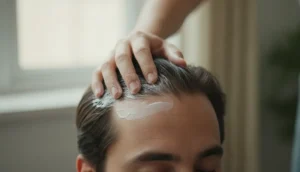
Minoxidil (2% for women, 5% for men) is an FDA‑approved vasodilator that prolongs the anagen phase, increasing follicle size and reducing shedding. Apply twice daily to a clean scalp for best results.
Oral Medications
Finasteride, a 5‑alpha‑reductase inhibitor, lowers dihydrotestosterone (DHT) levels, a primary driver of androgenic hair loss. While typically prescribed for men, low‑dose options are sometimes used off‑label for women under specialist supervision.
Advanced Clinical Options
- Platelet‑Rich Plasma (PRP) therapy – uses your own blood components to stimulate follicular activity.
- Low‑Level Laser Therapy (LLLT) – non‑invasive light treatment that improves circulation.
- Hair transplant techniques (FUE, DHI) – permanent restoration for advanced cases.
Choosing the right approach depends on the severity of shedding, underlying cause, and personal preferences. Consulting a qualified specialist ensures a tailored plan.
Hair Care Practices That Minimize Breakage
Even with optimal nutrition and treatment, harsh hair care can cause mechanical shedding. Gentle practices preserve the hair shaft and reduce unnecessary loss.
Washing and Conditioning
Use a sulfate‑free shampoo and a moisturizing conditioner. Massage the scalp gently with fingertips rather than nails to avoid follicle trauma.
Styling Tips
- Avoid tight ponytails, braids, or buns that pull on the scalp.
- Limit heat styling to 2‑3 times per week; always apply a heat protectant.
- Choose wide‑tooth combs for detangling wet hair.
Regular trims remove split ends, preventing breakage that can be mistaken for shedding.
When to Seek Professional Help
If shedding persists despite lifestyle adjustments and over‑the‑counter solutions, it may be time to consult a hair restoration expert. Early professional intervention can halt progression and open the door to permanent solutions.
Red Flags That Indicate Professional Evaluation
- Consistent loss of more than 100 hairs per day.
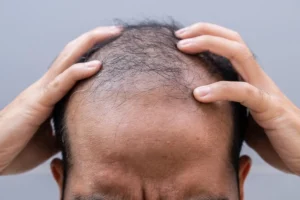
- Visible thinning in a specific pattern (e.g., receding hairline, crown).
- Associated scalp symptoms such as itching, redness, or pain.
Gold City Hair’s Advanced Options
| Method | Technique | Ideal For |
|---|---|---|
| FUE (Follicular Unit Extraction) | Individual follicles are harvested and transplanted | Patients seeking natural density with minimal scarring |
| DHI (Direct Hair Implantation) | Follicles are implanted directly using a pen‑like device | Those desiring faster recovery and precise placement |
| PRP Therapy | Patient’s platelet‑rich plasma injected into scalp | Early‑stage thinning and post‑transplant recovery |
Gold City Hair’s team combines expertise in FUE, DHI, and regenerative therapies to create personalized plans that address the root cause of shedding while delivering natural‑looking results.
Why Choose Gold City Hair
Since 2017, Gold City Hair has been a trusted destination for hair restoration in Turkey, offering state‑of‑the‑art FUE and DHI procedures, as well as comprehensive care for thinning hair. Our specialists prioritize transparent communication, individualized treatment plans, and a supportive environment that empowers patients to regain confidence. With a focus on safety, precision, and lasting outcomes, we help you move from shedding to thriving hair.
Ready to take control of your hair health? Contact Gold City Hair today to schedule a personalized consultation and start your journey toward stronger, fuller hair.
Our experts are here to guide you every step of the way—book your appointment now.
FAQ
What causes hair shedding and how can I identify them?
Hair shedding can be triggered by hormonal changes, stress, nutritional deficiencies, harsh hair care, and medical conditions or medications.
How does the hair growth cycle affect shedding?
The hair growth cycle consists of anagen, catagen, and telogen phases; shedding naturally occurs during telogen.
Which foods and supplements help reduce hair shedding?
Leafy greens, fatty fish, nuts, seeds, and eggs provide iron, omega‑3s, zinc, selenium, biotin, and protein that support hair health.
What are the most effective topical treatments for preventing hair shedding?
Minoxidil is the leading FDA‑approved topical that prolongs the anagen phase and reduces shedding.
When should I consider professional hair restoration treatments?
If shedding exceeds 100 hairs per day, shows patterned thinning, or is accompanied by scalp symptoms, seek a specialist.
What services does Gold City Hair offer for hair shedding?
Gold City Hair provides FUE and DHI transplants, PRP therapy, low‑level laser treatment, and personalized medical plans.